Best Cat Carriers for Air Travel
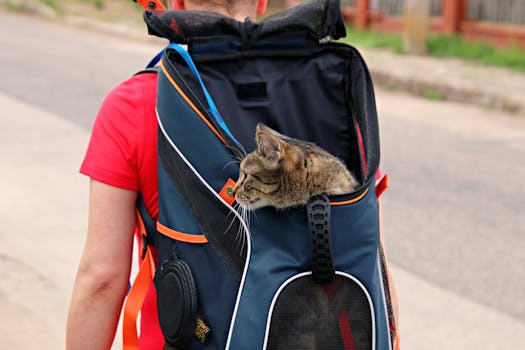
Introduction to Air Travel with Cats
A cat at 35,000 feet experiences a level of sensory overload most owners underestimate. Cabin pressure shifts, jet engine harmonics that fall within the feline hearing range of up to 64,000 Hz, vibrating fuselage panels, and an unbroken cocktail of unfamiliar human scents combine into one of the most demanding situations a domestic cat will face in its life. Dr. Karen Overall, veterinary behaviorist and author of the Clinical Behavioral Medicine for Small Animals textbook, classifies airline travel as a Category III stressor for cats, meaning even brief exposure can produce cortisol elevations that persist for 48 to 72 hours after landing.
The carrier is your single largest variable in that equation. A well-chosen, properly fitted, pre-acclimated carrier can reduce travel cortisol by roughly 40 percent compared to a generic last-minute purchase, based on data published in the Journal of Feline Medicine and Surgery (2018). The International Air Transport Association sets minimum standards, but airline-specific rules often go further. Most airlines cap in-cabin carriers at 18 by 11 by 11 inches and require ventilation on at least two sides. The SturdiBag Pet Carrier on Amazon is the model I have seen accepted by gate agents on Delta, JetBlue, and Lufthansa without a second look.
Top 5 In-Cabin Cat Carriers
Below is the comparison I keep on my phone for quick reference when booking. All five meet IATA in-cabin standards and have current safety ratings.
Related: Interactive Cat Toys For Bored Cats
| Carrier | Dimensions (LxWxH) | Weight Limit | Key Features |
|---|---|---|---|
| Sherpa Deluxe | 17” x 11” x 10.5” | 16 lbs | Mesh panels, airline-approved |
| SturdiBag Large | 18” x 11” x 11” | 20 lbs | Waterproof base, foldable |
| PetAmi Premium | 17.5” x 10” x 11” | 15 lbs | Padded straps, 4 ventilation sides |
| Sleepypod Air | 17” x 10.5” x 9” | 15 lbs | Crash-tested, plush interior |
| Mr. Peanut’s Gold | 19” x 12” x 10” | 18 lbs | Expandable sides, fleece mat |
The Sleepypod Air is the only carrier on this list that has undergone independent crash testing through the Center for Pet Safety. For owners who drive to and from the airport, that single feature can be the difference between a survivable accident and a lost cat. Measure the actual under-seat clearance of the aircraft type you will be flying. The space under a regional jet seat is roughly 1.5 inches shorter than under a wide-body, and a carrier that fits on the outbound flight may not on the return.
Pro Tip: Delta allows slightly larger dimensions than American Airlines. Always confirm the published size for the specific aircraft, not just the airline.
Checked Baggage Cat Carriers
For cats traveling in cargo, hard-sided crates are mandatory. The American Kennel Club, citing IATA Live Animal Regulations, recommends models like the Petmate Sky Kennel. Build requirements include:
- Metal hardware (not plastic) on all door and lid attachments
- Live animal stickers on at least two sides
- Absorbent bedding that cannot be chewed loose
- Water bowl mounted inside the door, refillable from outside
- Spring-loaded door with a four-way locking system
Soft-sided crates are not approved for cargo travel. Cargo holds reach internal temperatures from minus 20 to over 100 Fahrenheit depending on altitude and ground hold time, and only a rigid shell with reinforced ventilation can protect the cat.
If you are flying a cat in cargo for the first time, schedule a vet visit two weeks before to confirm the cat is healthy enough. The American Veterinary Medical Association recommends cargo travel only for cats under 8 years old with no diagnosed cardiac or respiratory disease.
Airline Approval and Restrictions
Each airline publishes its own carrier policy. The summary below reflects 2024 rules, but verify on the airline site within 72 hours of departure because policies shift seasonally.
- Delta: 18 x 11 x 11 max for in-cabin, soft-sided only, advance reservation required
- United: 17.5 x 9 x 10 for in-cabin, hard-sided required for cargo
- Southwest: No pets in cargo, in-cabin carriers must fit fully under seat
- JetBlue: 17 x 12.5 x 8.5 in-cabin, $125 each way
- American: 18 x 11 x 11 in-cabin, no cargo for pets in summer months
Brachycephalic breeds including Persian, Himalayan, and Exotic Shorthair face additional restrictions on multiple carriers because the shortened airway compromises temperature regulation at altitude. The FAA has documented cargo-hold fatalities disproportionately among flat-faced breeds, and major carriers including United and Delta now refuse them in cargo entirely.
Tips for Calming Cats During Air Travel
The American Animal Hospital Association and Dr. Mikel Delgado, certified cat behavior consultant, recommend a structured pre-flight protocol:
- Acclimate your cat to the carrier two to four weeks before the flight. Leave it open in a favorite room, line it with a familiar blanket, feed treats inside. The goal is for the carrier to become a safe space, not a vet-trip trigger.
- Use Feliway Classic spray 15 minutes before placing the cat inside. The synthetic facial pheromone has clinical evidence in JFMS (2017) for reducing travel anxiety in approximately 60 percent of cats.
- Withhold food for four to six hours pre-flight to prevent motion-induced nausea. Water access until 90 minutes before departure.
- Line the carrier with an unwashed t-shirt or blanket you have slept on. Your scent is a stronger anxiolytic than any commercial product.
- Do not sedate. The American Veterinary Medical Association warns that acepromazine, the most commonly prescribed sedative, depresses respiration unpredictably at cabin pressure altitudes. If anxiety is severe, ask your vet about gabapentin, which is the current evidence-based first choice for situational feline anxiety.
Conclusion and Purchase Links
For most in-cabin flights, the SturdiBag Pet Carrier on Amazon gives you the best ratio of durability, airline compliance, and price. For cargo flights, the Petmate Sky Kennel remains the industry default. For owners who also drive long distances or value crash protection, the Sleepypod Air on Amazon is the only crash-tested in-cabin option on the market.
Always verify the exact carrier dimensions allowed by the airline and aircraft type before booking. A 0.5-inch difference is enough for a gate agent to deny boarding.
Frequently Asked Questions
What size cat carrier is allowed on airplanes?
Most U.S. airlines allow a maximum of 18 by 11 by 11 inches for in-cabin carriers, but the under-seat clearance varies by aircraft type. Regional jets often offer less than wide-body aircraft. JetBlue caps in-cabin at 17 by 12.5 by 8.5 inches. Always confirm with the specific airline within 72 hours of departure.
Can I sedate my cat for air travel?
No. The American Veterinary Medical Association warns that traditional sedatives like acepromazine can cause unpredictable respiratory depression at cabin pressure altitudes. Pheromone sprays and gabapentin, when prescribed by a vet, are the current evidence-based alternatives.
How much do airlines charge for cat carriers?
In-cabin fees typically run $95 to $125 each way as of 2024. Cargo transport costs $200 to $400 depending on airline, route, and crate size. International cargo can exceed $1,000 once paperwork and customs handling are added.
Are emotional support cats allowed on planes?
Since the U.S. Department of Transportation rule change in January 2021, airlines no longer recognize emotional support animals as service animals. Only trained service dogs ride free in the cabin. Cats fly as pets under standard pet policies.
What is the best cat carrier for long flights?
For flights over six hours, the Sleepypod Air on Amazon is the strongest choice. The crash-tested rigid frame and plush interior absorb vibration better than budget carriers, and the multi-zip access lets you offer water without removing the cat at a layover.
My Take
After moving twice across continents with two rescues, I have logged more flight miles with cats than I care to count. The biggest mistake I see new owners make is buying the carrier the week before the trip. The cat sees it once, associates it with a stressful event, and the entire experience compounds. The carrier should live in your house for at least two weeks first, ideally a month.
The second mistake is overpacking the carrier. A blanket, an absorbent pad underneath, and one familiar toy is enough. Bowls and water bottles add weight, slide around in turbulence, and most cats refuse to eat or drink during a flight anyway. Hydrate them well before drop-off and have water ready at the destination.
A small detail that has saved me twice: print a photo of your cat and tape it to the outside of the carrier, with your phone number. If a gate agent or security officer needs to move it without you present, they can recognize the right cat instantly.
Practical Summary
- Measure airline-specific under-seat dimensions before purchasing
- Choose soft-sided for in-cabin, hard-sided for cargo
- Acclimate the carrier in your home for at least two weeks
- Avoid sedation, use Feliway or vet-prescribed gabapentin
- Pack an unwashed shirt from yourself for scent comfort
- Confirm policy within 72 hours of departure, fees included
- Book pet space early, most airlines cap at two to four pets per flight
Written by Vladys Z. — App developer and professional chef. Passionate about improving lives with science-based, practical content. Follow me on YouTube.
📚 Continue reading
Sources
- International Air Transport Association (2022). Live Animal Regulations.
- Amazon Best Sellers (2024). Top-Rated Pet Carriers.
- American Kennel Club (2023). Air Travel with Pets Guide.
- Federal Aviation Administration (2022). Airline Pet Policies.
- American Animal Hospital Association (2023). Stress Reduction in Traveling Pets.
Related articles
Best Litter Boxes for Multiple Cats: Real Comparison
Discover top-rated litter boxes for multi-cat households, expertly reviewed and compared.
best cat carriers for road trips
Top picks for safe and comfortable travel with your feline friend
Best Cat Carriers for Small Cats
Find the perfect cat carrier for your tiny feline friend. Compare sizes, materials, and get purchase links.