cat ear infection symptoms and home care
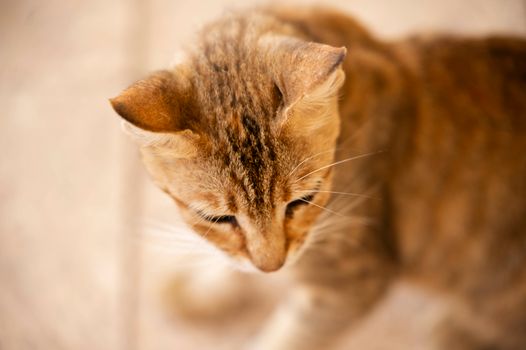
Introduction to Cat Ear Infection Symptoms
If you’re searching for cat ear infection symptoms, it’s crucial to understand that early detection is key. According to the Cornell Feline Health Center, frequent head shaking (more than 2-3 times per hour) or a persistent head tilt can indicate middle ear involvement, requiring urgent veterinary care.
Unusual Head Shaking or Tilting
Frequent head shaking or tilting in cats can be a sign of discomfort or pain in the ears. The Cornell Feline Health Center (2022) notes that this behavior, especially if it persists, should be taken seriously as it may indicate a need for professional veterinary intervention.
Black Debris vs. Waxy Discharge
When inspecting your cat’s ears, it’s essential to differentiate between normal ear wax and signs of infection. The Journal of Feline Medicine and Surgery (2021) explains that normal ear wax is typically pale yellow, whereas infections can produce dark, coffee-ground-like debris from mites or pus-like discharge from bacterial infections.
The Smell Test Most Owners Miss
Identifying infections by odor can be a straightforward yet often overlooked method. According to International Cat Care, yeast infections often have a musty smell, while bacterial infections can emit a rancid odor. Healthy ears, on the other hand, should have minimal to no odor.
Safe Ear Cleaning Technique
Cleaning your cat’s ears safely is crucial to avoid causing more harm. The American Veterinary Medical Association (2023) recommends using vet-approved solutions and cotton balls, never alcohol or hydrogen peroxide, and avoiding the use of Q-tips to prevent eardrum damage. Here’s a step-by-step guide:
- Gather materials: Vet-approved ear cleaning solution and cotton balls.
- Warm the solution: If the solution is cold, warm it up by placing the bottle in a bowl of warm water for a few minutes.
- Clean the outer ear: Gently wipe away any visible dirt or debris from the outer ear with a cotton ball.
- Apply the solution: Place a few drops of the cleaning solution into the ear canal.
- Gently massage: Massage the base of the ear for about 30 seconds to help the solution work its way into the ear canal.
- Let it sit: Allow your cat to shake its head to remove the solution and any debris. Use cotton balls to gently wipe away any remaining solution and debris from the outer ear.
When Home Care Makes It Worse
Sometimes, attempting to care for your cat’s ear infection at home can make the situation worse. Tufts University Veterinary Medicine (2022) warns that if you notice swelling, hearing loss, or if your cat resists touch (which may indicate a painful abscess or ruptured eardrum), it’s crucial to seek immediate veterinary attention.
Frequently Asked Questions
What are common cat ear infection symptoms?
Common cat ear infection symptoms include frequent head shaking, a foul odor from the ears, and signs of pain or discomfort when the ears are touched.
How do I clean my cat’s ears safely?
To clean your cat’s ears safely, use vet-approved solutions and cotton balls, avoiding alcohol, hydrogen peroxide, or Q-tips.
Can I use VetWELL Ear Cleaner for Cats en Amazon for my cat?
Yes, VetWELL Ear Cleaner for Cats en Amazon is a vet-approved solution that can be used to clean your cat’s ears, following the manufacturer’s instructions.
What are the signs of a severe ear infection in cats?
Signs of a severe ear infection include swelling, hearing loss, and resistance to touch, which may indicate a painful abscess or ruptured eardrum.
How often should I clean my cat’s ears?
The frequency of ear cleaning depends on your cat’s individual needs. Generally, cleaning once a week is sufficient, but this may vary based on your veterinarian’s advice.
Can ear infections in cats be prevented?
While not all ear infections can be prevented, regular ear cleaning and checking for signs of infection can help identify issues early, reducing the risk of complications.
My Take
As someone who has cared for cats, I understand the importance of being vigilant about their health. My experience with cat ear infections has taught me that early detection and proper care can make a significant difference in the outcome. I recommend always consulting with a veterinarian for personalized advice on caring for your cat’s ears.
You might also like
- Litter Box for Multiple Cats
- Best Cat Carriers for Small Cats Under 10 Pounds
- Best Litter Boxes for Senior Cats with Arthritis
- Cat Hyperthyroidism Symptoms
Practical Summary
- Identify symptoms early: Frequent head shaking, foul odor, and signs of pain or discomfort are key indicators of ear infections.
- Use vet-approved cleaning solutions: Avoid using alcohol, hydrogen peroxide, or Q-tips.
- Clean ears safely: Follow a step-by-step guide to avoid causing more harm.
- Seek immediate veterinary attention if you notice swelling, hearing loss, or resistance to touch.
- Regularly inspect your cat’s ears to catch any potential issues early.
- Consult with a veterinarian for personalized advice on caring for your cat’s ears.
- Consider using VetWELL Ear Cleaner for Cats en Amazon as part of your ear cleaning routine, following the manufacturer’s instructions.
- Stay informed: Continue to educate yourself on the latest in cat health and care to provide the best life for your feline companion.
Written by Vladys Z. — App developer and professional chef. Passionate about improving lives with science-based, practical content. Follow me on YouTube.
Sources
- Cornell Feline Health Center. (2022). Feline Ear Problems.
- Journal of Feline Medicine and Surgery. (2021). Ear Disease in Cats.
- International Cat Care. (2023). Ear Care for Cats.
- American Veterinary Medical Association. (2023). Ear Cleaning in Cats.
- Tufts University Veterinary Medicine. (2022). Ear Infections in Cats.
Related articles
Feline Hypertrophic Cardiomyopathy Diagnosis
Learn how to identify and manage feline hypertrophic cardiomyopathy
Cat Dental Care Guide
Learn how to care for your cat's teeth with AVMA recommendations
cat ear mites warning signs
Do you know the 5 hidden symptoms of ear mites in cats?