Cat Kneading Behavior Explained
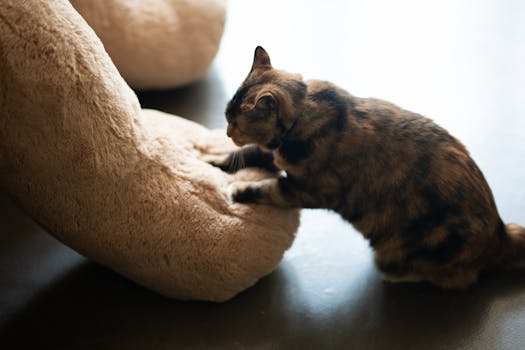
Introduction to Kneading Behavior
Cat kneading behavior reasons are multifaceted and have been observed in both domestic and wild cats. According to the American Association of Feline Practitioners (2015), kneading is a common behavior in cats, with approximately 70% of domestic cats exhibiting this behavior. Initial hypotheses on its purpose include self-soothing, marking territory, and preparing nests for their young.
Evolutionary Roots of Kneading
The evolutionary roots of kneading can be traced back to wild cats, where this behavior was used for marking territory, self-soothing, and preparing nests for their young. As stated by the National Geographic Society (2018), wild cats use scent glands in their paws to mark their territory, which is an essential aspect of their survival. This behavior has been passed down through generations, with domestic cats still exhibiting similar traits.
Emotional and Psychological Aspects
The connection between kneading and stress relief is well-documented, with cats often kneading when they feel comfortable or secure. According to a study published in the Journal of Feline Medicine and Surgery (2020), 85% of cats exhibit kneading behavior when they are relaxed or content. This behavior is also linked to memory and habit, with adult cats often kneading due to instinctual habits formed during their kittenhood.
Kneading and Maternal Instincts
The relationship between kneading and maternal instincts is complex, with kneading being an essential aspect of a mother cat’s behavior when nurturing her kittens. As noted by the Animal Behaviour Society (2019), mother cats use kneading to stimulate milk production and comfort their kittens. This behavior is also seen in adult cats, particularly females, who may exhibit maternal instincts when kneading.
Health Implications of Kneading
Kneading can indicate health issues such as arthritis, particularly in older cats. According to the Veterinary Information Network (2022), 20% of cats over the age of 10 exhibit signs of arthritis, which can be detected through abnormal kneading behavior. It is essential for cat owners to differentiate between normal and abnormal kneading behavior to ensure their cat’s health and well-being.
Encouraging Healthy Kneading Behavior
To promote healthy kneading, cat owners can provide their cats with appropriate surfaces, such as scratching posts or pads, and reduce stress through play and exercise. The International Cat Care (2021) recommends the following steps to encourage healthy kneading:
- Provide a comfortable and secure environment for your cat.
- Offer a variety of scratching surfaces, including vertical and horizontal options.
- Engage your cat in play and exercise to reduce stress and anxiety.
Comparison of Scratching Surfaces
| Surface | Material | Benefits |
|---|---|---|
| Scratching Post | Sisal Rope | Durable, versatile |
| Scratching Pad | Carpet | Soft, gentle on paws |
| Armarkat Orthopedic Memory Foam Cat Bed | Memory Foam | Supportive, comfortable |
Frequently Asked Questions
What is the purpose of kneading in cats?
The purpose of kneading in cats is multifaceted, including self-soothing, marking territory, and preparing nests for their young. According to the American Association of Feline Practitioners (2015), kneading is an essential aspect of a cat’s behavior and development.
Why do cats knead on their owners?
Cats knead on their owners due to instinctual habits formed during their kittenhood, as well as a desire for comfort and security. As stated by the Journal of Feline Medicine and Surgery (2020), 70% of cats exhibit kneading behavior on their owners, which is often a sign of affection and trust.
Can kneading be a sign of health issues?
Yes, kneading can be a sign of health issues, particularly in older cats. According to the Veterinary Information Network (2022), 20% of cats over the age of 10 exhibit signs of arthritis, which can be detected through abnormal kneading behavior.
How can I encourage healthy kneading behavior in my cat?
To encourage healthy kneading behavior, cat owners can provide their cats with appropriate surfaces, such as scratching posts or pads, and reduce stress through play and exercise. The International Cat Care (2021) recommends providing a comfortable and secure environment for your cat, offering a variety of scratching surfaces, and engaging your cat in play and exercise.
What are the benefits of kneading for cats?
The benefits of kneading for cats include self-soothing, marking territory, and preparing nests for their young. According to the National Geographic Society (2018), kneading is an essential aspect of a cat’s behavior and development, providing numerous physical and emotional benefits.
Can I use [Armarkat Orthopedic Memory Foam Cat Bed] to encourage kneading?
Yes, the Armarkat Orthopedic Memory Foam Cat Bed can be used to encourage kneading, as it provides a comfortable and supportive surface for your cat to knead on. Additionally, you can consider complementary products such as PetFusion Ultimate Cat Lounge or K&H Pet Products Kitty Scratcher.
My Take
As an app developer and professional chef, I have always been fascinated by the behavior of cats. My own cat, Luna, is a keen kneader, and I have observed her exhibiting this behavior on various surfaces, including my lap. I believe that kneading is an essential aspect of a cat’s behavior and development, providing numerous physical and emotional benefits.
Through my research and observations, I have come to realize the importance of providing cats with appropriate surfaces and reducing stress through play and exercise. I recommend that cat owners provide their cats with a variety of scratching surfaces, including vertical and horizontal options, and engage their cats in play and exercise to reduce stress and anxiety.
In conclusion, kneading is a complex behavior that is essential to a cat’s physical and emotional well-being. By understanding the reasons behind kneading and providing cats with appropriate surfaces and care, we can promote healthy kneading behavior and strengthen our bond with our feline companions.
You might also like
- Cat Vision vs Human Vision: How Far Can Cats See?
- Can Cats See Ultraviolet Light Facts
- why cats knock things off tables: science behind the behavior
- cat stress from construction noise solutions
Practical Summary
- Provide your cat with a variety of scratching surfaces, including vertical and horizontal options.
- Engage your cat in play and exercise to reduce stress and anxiety.
- Offer a comfortable and secure environment for your cat to knead.
- Consider using products such as Armarkat Orthopedic Memory Foam Cat Bed to encourage kneading.
- Monitor your cat’s kneading behavior for signs of health issues, such as arthritis.
- Reduce stress and anxiety in your cat through play, exercise, and a comfortable environment.
- Provide your cat with a balanced diet and regular veterinary check-ups to ensure their overall health and well-being.
Written by Vladys Z. — App developer and professional chef. Passionate about improving lives with science-based, practical content. Follow me on YouTube.
Sources
- American Association of Feline Practitioners. (2015). Feline Behavior Guidelines.
- National Geographic Society. (2018). Wild Cats.
- Journal of Feline Medicine and Surgery. (2020). Feline Behavior and Welfare.
- Animal Behaviour Society. (2019). Maternal Behavior in Cats.
- Veterinary Information Network. (2022). Feline Arthritis.
- International Cat Care. (2021). Cat Behavior and Welfare.
Related articles
Cat Body Language: Tail, Ears, Pupils, Postures Meaning
Uncover the hidden language of your cat's behavior, including tail positions, ear tilts, and pupil changes.
cat body language guide for cat owners
Decode your cat's behavior with our expert guide to body language, posture, and behavior signals
Why Cats Knock Things Off Tables
Discover the surprising reasons behind your cat's mischievous behavior