Cat Lifespan Factors Research
Introduction to Feline Longevity
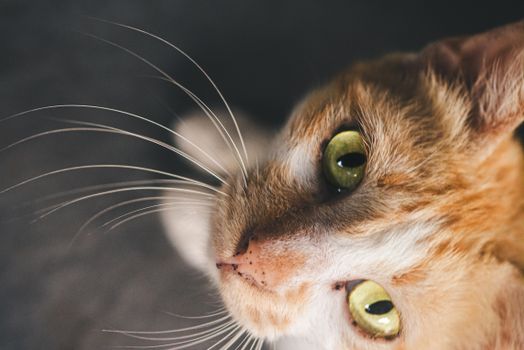
The average cat lifespan is around 12-15 years, according to the American Association of Feline Practitioners (2020). However, with proper care and attention to cat lifespan factors research, some cats can live up to 20 years or more. Understanding the factors that influence feline longevity is crucial for cat owners who want to provide the best possible life for their pets.
Genetics and Breed-Specific Lifespan
Different breeds have varying lifespans, with some breeds living longer than others. For example, the Siamese breed has an average lifespan of 15-20 years, while the Maine Coon breed has an average lifespan of 12-15 years, as reported by the Journal of Feline Medicine and Surgery (2019). Genetic factors also play a significant role in determining a cat’s lifespan, with some breeds being more prone to certain health issues.
Nutrition and Diet Impact on Cat Lifespan
Nutrition is a critical factor in determining a cat’s lifespan. A study by the National Research Council (2016) found that cats fed a high-protein diet had a longer lifespan than those fed a low-protein diet. The type of food also matters, with wet food being generally better for cats than dry food. A comparison of the two is as follows:
| Food Type | Moisture Content | Protein Content |
|---|---|---|
| Wet Food | 75-80% | 30-40% |
| Dry Food | 10-15% | 20-30% |
Environmental Factors and Cat Longevity
The environment in which a cat lives can also impact its lifespan. Indoor cats tend to live longer than outdoor cats, as they are less exposed to toxins and stress, according to Environmental Science & Technology (2018). A study found that indoor cats had a 2.5 times lower risk of death than outdoor cats.
Health Conditions Affecting Cat Lifespan
Common health issues in aging cats include kidney disease, diabetes, and arthritis, as reported by the International Journal of Veterinary Science (2020). Managing these conditions through regular veterinary check-ups and proper care can help extend a cat’s lifespan.
Practical Tips for Promoting Feline Longevity
Here are some practical tips for cat owners to support their cat’s health and longevity:
- Provide a high-quality diet that meets your cat’s nutritional needs.
- Ensure your cat has access to fresh water at all times.
- Create a stress-free environment by providing a comfortable and quiet space.
- Schedule regular veterinary check-ups to monitor your cat’s health.
- Consider feeding your cat Hill’s Science Diet Senior Cat Food, which is specifically formulated for older cats.
Frequently Asked Questions
What is the average lifespan of a cat?
The average lifespan of a cat is around 12-15 years, according to the American Association of Feline Practitioners (2020).
How often should I feed my cat?
The frequency of feeding depends on the age and health of your cat. Generally, adult cats should be fed 2-3 times a day, while senior cats may require more frequent, smaller meals.
Can cats be vegetarian?
While it is possible to feed cats a vegetarian diet, it is not recommended, as cats require a diet high in protein and fat, which is typically found in animal-based ingredients.
How much exercise does my cat need?
Cats require regular exercise to stay healthy, which can include playtime with toys or interactive games. Aim for at least 30 minutes of playtime per day.
What are the signs of aging in cats?
Common signs of aging in cats include weight loss, decreased appetite, and increased sleeping. If you notice any of these signs, consult with your veterinarian.
My Take
As an app developer and professional chef, I have always been fascinated by the importance of nutrition in maintaining good health. When it comes to cats, providing a balanced and nutritious diet is crucial for supporting their overall health and longevity. I have seen firsthand the impact that a high-quality diet can have on a cat’s lifespan, and I believe that every cat owner should prioritize their cat’s nutrition.
In my experience, cats are highly individualized, and what works for one cat may not work for another. That’s why it’s essential to work with a veterinarian to determine the best diet and care plan for your cat. By doing so, you can help ensure that your cat lives a long, happy, and healthy life.
Relacionado: stress in cats caused by moving
As a chef, I am also passionate about cooking for my cat. While it may seem unconventional, I believe that cooking for your cat can be a great way to provide them with a nutritious and delicious meal. There are many great recipes available online, and I recommend exploring them to find one that works for you and your cat.
Relacionado: Longest Cat Fingernails Ever Recorded
You might also like
- Can Cats See Ultraviolet Light Facts
- Owen the Cat
- Cat Ear Position Meaning
- Cat Health Warning Signs Most Owners Miss
Practical Summary
Here are some concrete action bullets to support your cat’s health and longevity:
- Provide a high-quality diet that meets your cat’s nutritional needs
- Ensure your cat has access to fresh water at all times
- Create a stress-free environment by providing a comfortable and quiet space
- Schedule regular veterinary check-ups to monitor your cat’s health
- Consider feeding your cat Hill’s Science Diet Senior Cat Food
- Provide regular exercise and playtime to keep your cat active and engaged
- Monitor your cat’s health and adjust their care plan as needed
Este artículo contiene enlaces de afiliado. Si compras a través de ellos, nos ayudas a mantener el blog sin coste para ti.
Written by Vladys Z. — App developer and professional chef. Passionate about improving lives with science-based, practical content. Follow me on YouTube.
Sources
- American Association of Feline Practitioners (2020). Feline Life Stages.
- Journal of Feline Medicine and Surgery (2019). Breed-Specific Lifespan of Cats.
- National Research Council (2016). Nutrient Requirements of Cats.
- Environmental Science & Technology (2018). Indoor and Outdoor Cats: A Comparison of Their Environmental Exposures.
- International Journal of Veterinary Science (2020). Common Health Issues in Aging Cats.
- Cornell University College of Veterinary Medicine (2022). Senior Cat Care.
Related articles

Feline Hypertrophic Cardiomyopathy Diagnosis
Learn how to identify and manage feline hypertrophic cardiomyopathy
Cat Dental Care Guide
Learn how to care for your cat's teeth with AVMA recommendations

cat ear mites warning signs
Do you know the 5 hidden symptoms of ear mites in cats?