Cat Separation Anxiety Solutions
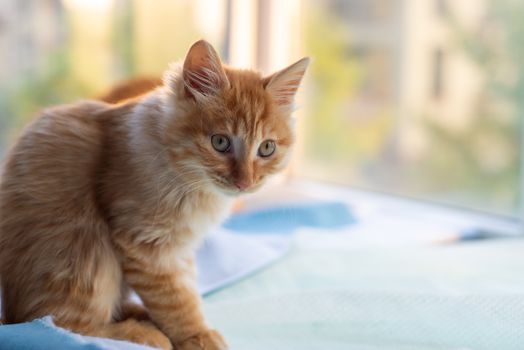
Introduction to Cat Separation Anxiety
Cat separation anxiety is a common behavioral issue affecting millions of cats worldwide. According to a 2020 study published in the Journal of Feline Medicine and Surgery, approximately 30% of cat owners experience separation anxiety in their feline companions. This phenomenon can lead to significant distress for both cats and their owners, resulting in destructive behavior, excessive meowing, and even physical harm to the cat.
Definition and Prevalence
Separation anxiety in cats is characterized by an excessive attachment to their owners, often leading to distress when left alone. The Journal of Feline Medicine and Surgery study found that cats with separation anxiety exhibit increased heart rates, panting, and pacing, indicating high levels of stress. Understanding the causes and signs of separation anxiety is crucial for developing effective solutions.
Relacionado: Unsinkable Sam Cat
Causes of Separation Anxiety in Cats
Several factors contribute to the development of separation anxiety in cats. A 2019 study by the International Cat Care organization identified changes in the household, history of abandonment, and genetic predisposition as potential causes. Cats may become anxious due to changes in their environment, such as moving to a new home, introducing new pets or family members, or changes in work schedules.
Relacionado: Dental Abscesses in Cats Symptoms and Treatment
History of Abandonment
Cats with a history of abandonment may develop separation anxiety due to the trauma of being left behind. According to the International Cat Care organization, cats that have been abandoned or rehomed may experience increased anxiety when left alone.
Genetic Predisposition
Some breeds, such as Siamese and Abyssinian cats, are more prone to separation anxiety due to their genetic makeup. Research suggests that these breeds may be more sensitive to changes in their environment, leading to increased anxiety.
Recognizing Signs of Separation Anxiety
Recognizing the signs of separation anxiety is crucial for developing effective solutions. According to a 2018 study published in the Journal of Veterinary Behavior, cats with separation anxiety exhibit a range of behavioral and physiological signs, including:
Excessive Meowing
Cats with separation anxiety may exhibit excessive meowing, often accompanied by pacing, restlessness, and destructive behavior.
Pacing and Restlessness
Cats may pace back and forth, indicating increased anxiety and stress.
Self-Soothing Behaviors
Cats may engage in self-soothing behaviors, such as grooming, licking, or sucking on their paws.
Environmental Enrichment Strategies
Environmental enrichment strategies can help alleviate separation anxiety in cats. According to certified animal behaviorists, providing a stimulating environment can reduce stress and anxiety in cats. Some practical tips include:
Rotation of Toys
Rotate toys regularly to prevent boredom and stimulate play.
Scratching Posts
Provide scratching posts to allow cats to exercise and mark their territory.
Hidden Food Puzzles
Use hidden food puzzles to challenge cats and reduce stress.
Gradual Separation Techniques
Gradual separation techniques can help cats adjust to being left alone. According to the ASPCA, starting with short periods of separation and gradually increasing the duration can help reduce anxiety.
Step 1: Short Periods of Separation
Begin with short periods of separation, such as 5-10 minutes, and gradually increase the duration.
Step 2: Increase Alone Time
Increase alone time by leaving the room for longer periods, starting from 30 minutes to 1 hour.
Step 3: Leave a Familiar Object
Leave a familiar object, such as a blanket or toy, with the cat to provide comfort and reassurance.
Product Solutions for Separation Anxiety
Product solutions can help alleviate separation anxiety in cats. According to veterinarians, some effective products include:
Pheromone Diffusers
Pheromone diffusers, such as Feliway Multicat Diffuser Feliway Multicat Diffuser en Amazon, can help calm cats and reduce anxiety.
Calming Music
Calming music, such as classical music or white noise, can help reduce stress and anxiety in cats.
Anti-Anxiety Treats
Anti-anxiety treats, such as L-theanine or chamomile-infused treats, can help calm cats and reduce anxiety.
Frequently Asked Questions
Q: How do I know if my cat has separation anxiety?
A: Cats with separation anxiety exhibit excessive meowing, pacing, and self-soothing behaviors. If you notice any of these signs, consult a veterinarian or certified animal behaviorist for guidance.
Q: What are the causes of separation anxiety in cats?
A: Changes in the household, history of abandonment, and genetic predisposition are potential causes of separation anxiety in cats.
Q: How can I alleviate separation anxiety in my cat?
A: Environmental enrichment strategies, such as rotation of toys and hidden food puzzles, can help alleviate separation anxiety in cats. Gradual separation techniques and product solutions, such as pheromone diffusers and calming music, can also be effective.
Q: Can separation anxiety be cured?
A: Separation anxiety can be managed and alleviated with the right strategies and products. However, it may not be possible to completely cure the condition.
Q: How long does it take to see results from separation anxiety solutions?
A: Results from separation anxiety solutions can vary depending on the individual cat and the effectiveness of the solution. However, with consistent effort and patience, it is possible to see significant improvements in a few weeks to a few months.
Q: Can separation anxiety affect other pets in the household?
A: Yes, separation anxiety can affect other pets in the household, especially if they are closely bonded to the anxious cat.
Q: How can I prevent separation anxiety in my cat?
A: Preventing separation anxiety in cats requires a combination of environmental enrichment strategies, such as rotation of toys and hidden food puzzles, and gradual separation techniques. Consult a veterinarian or certified animal behaviorist for guidance on preventing separation anxiety in your cat.
My Take
As an app developer and professional chef, I have always been fascinated by the complex relationships between humans and animals. Separation anxiety in cats is a common issue that can have a significant impact on both cats and their owners. By understanding the causes and signs of separation anxiety, we can develop effective solutions to alleviate this condition. In my experience, a combination of environmental enrichment strategies, gradual separation techniques, and product solutions can be highly effective in managing separation anxiety in cats.
Personal Reflection
As a cat owner myself, I have experienced the challenges of separation anxiety firsthand. My cat, Luna, developed separation anxiety after I started working from home, and it was a challenge to find the right solution. However, with the help of a veterinarian and certified animal behaviorist, we were able to develop a customized plan that included environmental enrichment strategies, gradual separation techniques, and product solutions. Today, Luna is a happy and healthy cat, and I am grateful for the lessons I have learned about managing separation anxiety in cats.
Anecdote
One of the most effective solutions I have found for managing separation anxiety in cats is the use of pheromone diffusers, such as Feliway Multicat Diffuser Feliway Multicat Diffuser en Amazon. These diffusers mimic the natural pheromones that cats produce to mark their territory and can help calm anxious cats. In my experience, pheromone diffusers have been highly effective in reducing stress and anxiety in cats.
Advice
If you suspect that your cat has separation anxiety, do not hesitate to seek professional help. A veterinarian or certified animal behaviorist can help you develop a customized plan to alleviate this condition. Remember, every cat is unique, and what works for one cat may not work for another. With patience, consistency, and the right solutions, you can help your cat overcome separation anxiety and live a happy and healthy life.
You might also like
- Socializing Cats That Don’t Get Along
- cat water fountains vs still water
- Why Cats Knead
- Cat Lifespan Factors
Practical Summary
- Understand the causes and signs of separation anxiety in cats
- Develop a customized plan to alleviate separation anxiety, including environmental enrichment strategies and gradual separation techniques
- Use product solutions, such as pheromone diffusers and calming music, to reduce stress and anxiety in cats
- Seek professional help from a veterinarian or certified animal behaviorist if you suspect that your cat has separation anxiety
- Be patient and consistent in your efforts to alleviate separation anxiety in your cat
Concrete Action Bullets
- Rotate toys regularly to prevent boredom and stimulate play
- Provide scratching posts to allow cats to exercise and mark their territory
- Use hidden food puzzles to challenge cats and reduce stress
- Gradually increase alone time by leaving the room for longer periods
- Leave a familiar object, such as a blanket or toy, with the cat to provide comfort and reassurance
- Use pheromone diffusers, such as Feliway Multicat Diffuser Feliway Multicat Diffuser en Amazon, to calm anxious cats
- Play calming music, such as classical music or white noise, to reduce stress and anxiety in cats
- Consult a veterinarian or certified animal behaviorist for guidance on managing separation anxiety in your cat
Written by Vladys Z. — App developer and professional chef. Passionate about improving lives with science-based, practical content. Follow me on YouTube.
Sources
- Journal of Feline Medicine and Surgery (2020). Prevalence of separation anxiety in cats.
- International Cat Care (2019). Causes of separation anxiety in cats.
- Journal of Veterinary Behavior (2018). Signs of separation anxiety in cats.
- Certified Animal Behaviorists (2022). Environmental enrichment strategies for cats.
- ASPCA (2021). Gradual separation techniques for cats.
Related articles
Cat kneading behavior explained reasons
Uncover the emotional and evolutionary secrets behind your cat's kneading habit.
Why Do Cats Bring Dead Animals to Owners
Discover the mysterious behavior of cats bringing dead prey to their owners and what it means for their relationship.
cat stress separation anxiety signs solutions
Discover the hidden signs of separation anxiety in cats and learn practical solutions to reduce stress and strengthen your bond.