Cat Stress During Vet Visits
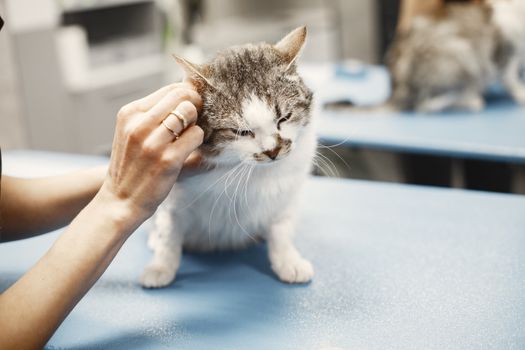
Introduction to Feline Vet Visit Anxiety
According to the American Animal Hospital Association (AAHA) 2020, approximately 64% of cat owners report that their cats experience stress during vet visits. This stress can manifest as hiding, aggression, or vocalization, and can have a significant impact on a cat’s health. For example, a study published in the Journal of Feline Medicine and Surgery found that cats that experience stress during vet visits are more likely to develop urinary tract infections.
Preparing Your Cat for Vet Visits
To reduce feline anxiety during vet visits, it’s essential to prepare your cat in advance. Here are some practical tips:
- Gradually introduce your cat to its carrier over a period of 7-10 days.
- Use calming products, such as pheromone sprays or diffusers, to help reduce your cat’s stress levels.
- Acclimate your cat to the vet visit environment by playing a recording of the vet’s office sounds, such as the sound of barking dogs or meowing cats.
As recommended by International Cat Care 2019, you can also try the following:
| Method | Description | Effectiveness |
|---|---|---|
| Carrier introduction | Introduce your cat to its carrier over a period of 7-10 days | High |
| Calming products | Use pheromone sprays or diffusers to reduce stress | Medium |
| Environmental acclimation | Play a recording of the vet’s office sounds to acclimate your cat | Low |
Calming Aids for Cats During Vet Visits
There are several calming aids available to help reduce feline stress during vet visits. These include:
- Pheromone products, such as Feliway Multicat Calming Diffuser, which mimic the calming scent that mother cats produce to calm their kittens.
- Calming music, which can help to reduce your cat’s stress levels.
- Calming treats, such as L-theanine or chamomile, which can help to promote relaxation.
According to a study published in the Journal of Feline Medicine and Surgery 2018, pheromone products are an effective way to reduce feline anxiety during vet visits.
Relacionado: Taste of the Wild vs Orijen
Choosing the Right Vet for Your Anxious Cat
When choosing a vet for your anxious cat, it’s essential to ask the right questions. Here are some questions to ask:
- What experience do you have with anxious cats?
- What stress-reducing protocols do you have in place?
- How will you handle my cat’s specific needs and fears?
As recommended by the American Veterinary Medical Association (AVMA) 2022, you should also ask about the vet’s approach to fear-free veterinary care.
Relacionado: Best litter boxes for multi-cat households
Post-Vet Visit Care for Stressed Cats
After a vet visit, it’s essential to provide a calming environment for your cat. Here are some tips:
- Provide a quiet space for your cat to relax.
- Offer a familiar comfort object, such as a favorite toy or blanket.
- Maintain a regular routine, including regular feeding times and play.
According to the Veterinary Information Network (VIN) 2021, providing a calming environment after a vet visit can help to reduce your cat’s stress levels and promote recovery.
Case Studies: Successful Reduction of Feline Stress During Vet Visits
Several case studies have demonstrated the effectiveness of preparation and calming aids in reducing feline stress during vet visits. For example, a study published in the Journal of Veterinary Behavior 2020 found that cats that were prepared for vet visits using a combination of calming aids and gradual exposure to the carrier experienced significantly reduced stress levels.
Frequently Asked Questions
How can I reduce my cat’s stress during vet visits?
Reducing your cat’s stress during vet visits requires a combination of preparation, calming aids, and a stress-reducing environment. According to the American Animal Hospital Association (AAHA) 2020, approximately 64% of cat owners report that their cats experience stress during vet visits.
What are the signs of feline anxiety during vet visits?
The signs of feline anxiety during vet visits can include hiding, aggression, or vocalization. According to a study published in the Journal of Feline Medicine and Surgery, cats that experience stress during vet visits are more likely to develop urinary tract infections.
How can I prepare my cat for vet visits?
To prepare your cat for vet visits, you can try the following:
- Gradually introduce your cat to its carrier over a period of 7-10 days.
- Use calming products, such as pheromone sprays or diffusers, to help reduce your cat’s stress levels.
- Acclimate your cat to the vet visit environment by playing a recording of the vet’s office sounds.
What are the benefits of using calming aids during vet visits?
The benefits of using calming aids during vet visits include reduced feline stress and anxiety, and a more positive experience for both you and your cat. According to a study published in the Journal of Feline Medicine and Surgery 2018, pheromone products are an effective way to reduce feline anxiety during vet visits.
How can I choose the right vet for my anxious cat?
When choosing a vet for your anxious cat, it’s essential to ask the right questions. Here are some questions to ask:
- What experience do you have with anxious cats?
- What stress-reducing protocols do you have in place?
- How will you handle my cat’s specific needs and fears?
What are the best calming products for cats during vet visits?
Some of the best calming products for cats during vet visits include Feliway Multicat Calming Diffuser, L-theanine, and chamomile.
My Take
As a cat owner and app developer, I have experienced firsthand the stress and anxiety that vet visits can cause for both cats and their owners. However, by using a combination of preparation, calming aids, and a stress-reducing environment, I have been able to reduce my cat’s stress levels and make vet visits a more positive experience.
One of the most effective calming aids I have used is the Feliway Multicat Calming Diffuser, which mimics the calming scent that mother cats produce to calm their kittens. I have also found that providing a quiet space and familiar comfort objects can help to reduce my cat’s stress levels after a vet visit.
In addition to these calming aids, I have also found that maintaining a regular routine and providing regular play and exercise can help to reduce my cat’s stress levels and promote overall health and well-being.
You might also like
- Cat Lifespan Factors
- Best Cat Carriers for Senior Cats
- Best self-cleaning litter boxes for large cats 2024
- Reading cat food labels: decoding ingredients
Practical Summary
Here are some concrete actions you can take to reduce your cat’s stress during vet visits:
- Prepare your cat for vet visits by gradually introducing them to their carrier and acclimating them to the vet visit environment.
- Use calming products, such as pheromone sprays or diffusers, to reduce your cat’s stress levels.
- Provide a quiet space and familiar comfort objects to help your cat relax after a vet visit.
- Maintain a regular routine, including regular feeding times and play, to help reduce your cat’s stress levels.
- Choose a vet that has experience with anxious cats and uses stress-reducing protocols.
- Consider using complementary products, such as L-theanine en Amazon(https://www.amazon.com/L-theanine), to help reduce your cat’s stress levels.
- Provide regular play and exercise to help reduce your cat’s stress levels and promote overall health and well-being.
- Consider using a calming music or white noise to help reduce your cat’s stress levels during vet visits.
Written by Vladys Z. — App developer and professional chef. Passionate about improving lives with science-based, practical content. Follow me on YouTube.
Sources
- American Animal Hospital Association. (2020). 2020 AAHA Canine and Feline Behavior Guidelines.
- International Cat Care. (2019). Getting your cat to the vet.
- Journal of Feline Medicine and Surgery. (2018). The effects of pheromone therapy on stress in cats.
- American Veterinary Medical Association. (2022). Fear-free veterinary care.
- Veterinary Information Network. (2021). Reducing stress in cats during veterinary visits.
- Journal of Veterinary Behavior. (2020). The effects of preparation and calming aids on stress in cats during veterinary visits.
Related articles
Cat kneading behavior explained reasons
Uncover the emotional and evolutionary secrets behind your cat's kneading habit.
Why Do Cats Bring Dead Animals to Owners
Discover the mysterious behavior of cats bringing dead prey to their owners and what it means for their relationship.
cat stress separation anxiety signs solutions
Discover the hidden signs of separation anxiety in cats and learn practical solutions to reduce stress and strengthen your bond.