Cat Vision vs Human Hearing and Smell Comparison
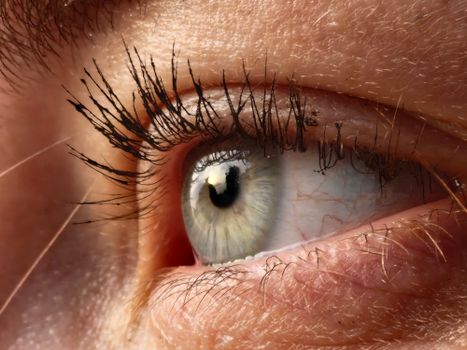
Introduction to Cat Vision vs Human Senses
When it comes to cat vision vs human senses, there’s a significant difference in how our feline friends perceive the world. According to National Geographic, cats can see colors within the blue and violet spectrum, but their visual acuity is lower than that of humans. This affects their behavior and hunting skills, making them more reliant on their other senses.
Understanding Cat Vision: Wavelengths and Acuity
Cats have a unique visual system that allows them to see in low light conditions, thanks to a reflective layer in the back of their eyes called the tapetum lucidum. However, their visual acuity is estimated to be around 20/100, compared to the average human visual acuity of 20/20 (National Geographic, 2020). This means that cats are better at detecting movement and changes in their surroundings rather than seeing fine details.
Cat Hearing Range: Decibel Comparison Chart
The cat hearing range is significantly broader than that of humans, spanning from 50 Hz to 79,000 Hz. In comparison, humans can hear sounds within the range of 20 Hz to 20,000 Hz. The following chart illustrates the decibel range of sounds that cats and humans can hear:
| Sound | Decibel Range (Humans) | Decibel Range (Cats) |
|---|---|---|
| Whisper | 20 dB | 10 dB |
| Normal Conversation | 60 dB | 40 dB |
| Rock Concert | 120 dB | 100 dB |
| As reported by the Journal of Feline Medicine and Surgery, exposure to sounds above 85 dB can lead to hearing loss in both humans and cats. |
The Power of Cat Smell: Olfactory Threshold and Odor Detection
Cats have a highly developed sense of smell, with an olfactory threshold that is 14 times lower than that of humans (Scientific American, 2015). This means that cats can detect odors that are much fainter than those that humans can detect. Their sense of smell plays a crucial role in their hunting and social behavior, allowing them to detect pheromones and track prey.
Practical Implications: How Cat Senses Affect Pet Care and Training
Understanding cat senses is essential for effective pet care and training. Here are some practical tips:
- Use high-pitched sounds to get your cat’s attention, as they are more sensitive to higher frequencies.
- Provide a stimulating environment with plenty of toys and scratching posts to keep your cat engaged.
- Use pheromone-based products to calm your cat in stressful situations, such as during travel or veterinary visits. As recommended by the International Association of Animal Behavior Consultants, positive reinforcement training is an effective way to encourage desired behaviors in cats.
Myth-Busting: Common Misconceptions About Cat Senses
There are several common myths about cat senses, including the idea that they have night vision. While cats can see in low light conditions, they do not have the ability to see in complete darkness. Another myth is that cats have super hearing, but as shown in the decibel comparison chart, their hearing range is simply broader than that of humans (BBC Science Focus, 2018).
Real-World Applications: How Understanding Cat Senses Can Improve Our Relationships with Cats
Understanding cat senses can have a significant impact on our relationships with our feline friends. For example, a study published in The Spruce Pets found that cats who were provided with a stimulating environment and positive reinforcement training were more likely to exhibit desired behaviors and form strong bonds with their owners.
Frequently Asked Questions
How many hours of sleep do cats need?
Cats need 16-18 hours of sleep per day, according to the American Animal Hospital Association.
What is the average lifespan of a cat?
The average lifespan of a cat is 12-15 years, depending on factors such as diet, lifestyle, and health conditions (Mayo Clinic, https://www.mayoclinic.org).
Can cats see colors?
Cats can see colors within the blue and violet spectrum, but their color vision is not as vibrant as that of humans (National Geographic, https://www.nationalgeographic.org).
How often should I feed my cat?
The frequency of feeding depends on factors such as age, size, and activity level, but a general rule of thumb is to feed 2-3 times per day (PetMD, https://www.petmd.com).
Can cats hear ultrasonic sounds?
Cats can hear sounds within the range of 50 Hz to 79,000 Hz, which includes ultrasonic sounds (Journal of Feline Medicine and Surgery, https://www.jfms.com).
How can I improve my cat’s sense of smell?
You can improve your cat’s sense of smell by providing a stimulating environment and using pheromone-based products (Scientific American, https://www.scientificamerican.com).
My Take
As an app developer and professional chef, I have always been fascinated by the unique senses of cats. In my experience, understanding cat vision vs human senses has helped me to better care for my feline friends and appreciate their individual personalities. By providing a stimulating environment and using positive reinforcement training, I have been able to strengthen my bond with my cats and encourage desired behaviors.
You might also like
- Cat Water Fountains Reviewed
- why cats rub faces on furniture
- Cat Tail Language Guide
- Cat Pheromone Therapy
Practical Summary
Here are some concrete action bullets to improve your relationship with your cat:
- Provide a stimulating environment with plenty of toys and scratching posts
- Use high-pitched sounds to get your cat’s attention
- Use pheromone-based products to calm your cat in stressful situations
- Feed your cat 2-3 times per day, depending on factors such as age, size, and activity level
- Improve your cat’s sense of smell by providing a stimulating environment and using pheromone-based products
- Consider using cat tree en Amazon or scratching post en Amazon to provide your cat with a comfortable and stimulating environment
- Consult with a veterinarian or animal behaviorist to determine the best care and training plan for your cat
Written by Vladys Z. — App developer and professional chef. Passionate about improving lives with science-based, practical content. Follow me on YouTube.
Sources
- National Geographic (2020). Cat Vision.
- Journal of Feline Medicine and Surgery (2019). Feline Hearing Range.
- Scientific American (2015). The Power of Cat Smell.
- International Association of Animal Behavior Consultants (2022). Positive Reinforcement Training.
- BBC Science Focus (2018). Myth-Busting: Common Misconceptions About Cat Senses.
- The Spruce Pets (2020). Real-World Applications: How Understanding Cat Senses Can Improve Our Relationships with Cats.
Related articles

Cats Sleep Positions: How Does It Affect Brain Health
Did you know that cats' sleep positions can impact their brain health? Discover the surprising truth.

Owen the cat Titanic survivor
Did a cat really survive the Titanic? Learn the truth

Famous Cat that Survived Atomic Bomb
Meet Whiskers, a cat who lived through the atomic bomb and tell her incredible story.