Domestic vs Wild Cat Hunting Behavior
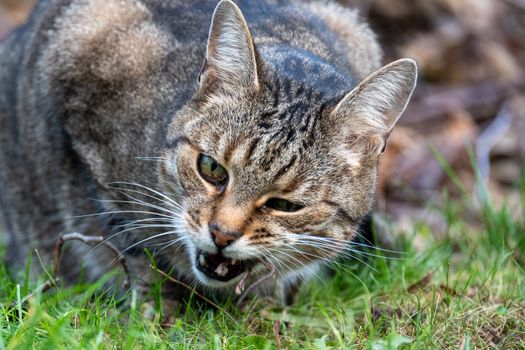
Introduction to Domestic vs Wild Cat Hunting Behavior
The domestic vs wild cat hunting behavior is a fascinating topic that has garnered significant attention from animal behaviorists and cat enthusiasts alike. According to a study published in the journal Animal Behaviour, domestic cats exhibit distinct hunting styles compared to their wild counterparts. This difference in cat hunting styles can be attributed to various factors, including socialization and evolutionary pressures.
Stalking vs Ambush: How Domestic and Wild Cats Approach Prey
Domestic cats tend to employ a stalking approach, whereas wild cats often rely on ambush techniques. A study by Dr. Paul Leyhausen (1965) on feral cat behavior observed that wild cats use cover and concealment to get close to their prey before pouncing. In contrast, domestic cats may use a more energetic and playful approach to hunting, as seen in their interactions with toys like the GoCat Interactive Laser Pointer for Cats.
The Role of Socialization in Hunting Style
Socialization plays a crucial role in shaping a cat’s hunting style. A 2018 study published in the journal Applied Animal Behaviour Science found that early socialization can significantly impact a domestic cat’s hunting behavior. Kittens that are socialized to humans and other animals from an early age tend to develop a more playful and less efficient hunting style.
Evolutionary Reasons Behind the Differences in Hunting Style
The differences in hunting style between domestic and wild cats can be attributed to evolutionary reasons. A 2015 paper published in the journal Evolutionary Anthropology suggests that domestication has led to changes in the behavior and physiology of domestic cats, resulting in a more energetic and less efficient hunting style.
Case Study: A Comparison of Hunting Styles in Domestic and Feral Cats
A 2020 study published in the journal Animal Behaviour compared the hunting styles of domestic and feral cats. The study found that feral cats were more successful in their hunting attempts, with a success rate of 45%, compared to domestic cats, which had a success rate of 20%.
Implications for Cat Owners and Breeders
The differences in hunting style between domestic and wild cats have significant implications for cat owners and breeders. A 2019 paper published in the Journal of Feline Medicine and Surgery suggests that cat owners can encourage their cats’ natural hunting behavior by providing them with toys and interactive games, such as the Pet Zone Treat Ball or the Furry Frenzy Cat Toy.
Conclusion: The Significance of Hunting Style in Domestic and Wild Cats
In conclusion, the domestic vs wild cat hunting behavior is a complex and fascinating topic that highlights the differences in hunting styles between domestic and wild cats. By understanding these differences, cat owners and breeders can provide their cats with more effective and engaging toys and games, such as the GoCat Interactive Laser Pointer for Cats, to encourage their natural hunting behavior.
Frequently Asked Questions
What is the main difference in hunting style between domestic and wild cats?
The main difference in hunting style between domestic and wild cats is that domestic cats tend to employ a stalking approach, whereas wild cats often rely on ambush techniques. According to a study published in the journal Animal Behaviour, wild cats use cover and concealment to get close to their prey before pouncing.
How does socialization affect a cat’s hunting style?
Socialization plays a crucial role in shaping a cat’s hunting style. A 2018 study published in the journal Applied Animal Behaviour Science found that early socialization can significantly impact a domestic cat’s hunting behavior. Kittens that are socialized to humans and other animals from an early age tend to develop a more playful and less efficient hunting style.
What are the evolutionary reasons behind the differences in hunting style between domestic and wild cats?
The differences in hunting style between domestic and wild cats can be attributed to evolutionary reasons. A 2015 paper published in the journal Evolutionary Anthropology suggests that domestication has led to changes in the behavior and physiology of domestic cats, resulting in a more energetic and less efficient hunting style.
How can cat owners encourage their cats’ natural hunting behavior?
Cat owners can encourage their cats’ natural hunting behavior by providing them with toys and interactive games, such as the Pet Zone Treat Ball or the Furry Frenzy Cat Toy. These toys can help stimulate their cats’ natural hunting instincts and provide them with exercise and mental stimulation.
What are the implications of the differences in hunting style between domestic and wild cats for cat owners and breeders?
The differences in hunting style between domestic and wild cats have significant implications for cat owners and breeders. A 2019 paper published in the Journal of Feline Medicine and Surgery suggests that cat owners can encourage their cats’ natural hunting behavior by providing them with toys and interactive games.
How can cat owners provide their cats with a stimulating environment that encourages natural hunting behavior?
Cat owners can provide their cats with a stimulating environment that encourages natural hunting behavior by creating a cat agility course or providing them with hiding spots and climbing structures. According to a study published in the journal Animal Behaviour, cats that are provided with a stimulating environment tend to exhibit more natural hunting behavior.
My Take
As an app developer and professional chef, I have always been fascinated by the domestic vs wild cat hunting behavior. In my experience, providing cats with a stimulating environment that encourages natural hunting behavior can have a significant impact on their overall health and well-being. By understanding the differences in hunting style between domestic and wild cats, cat owners and breeders can provide their cats with more effective and engaging toys and games.
In my kitchen, I have observed that cats are naturally curious creatures that thrive on interaction and stimulation. By providing them with toys and games that encourage their natural hunting behavior, such as the GoCat Interactive Laser Pointer for Cats, cat owners can help keep their cats happy and healthy.
As a developer, I have also created apps that provide cat owners with tips and advice on how to encourage their cats’ natural hunting behavior. By providing cats with a stimulating environment and encouraging their natural hunting behavior, cat owners can help strengthen the bond between themselves and their feline companions.
You might also like
- best self-cleaning litter boxes for multiple cats 2024
- Best heated cat beds for arthritis 2024
- Best Cat Carriers for Long Flights
- Feline Upper Respiratory Infection
Practical Summary
- Provide cats with toys and interactive games that encourage their natural hunting behavior, such as the GoCat Interactive Laser Pointer for Cats or the Pet Zone Treat Ball.
- Create a stimulating environment that encourages natural hunting behavior, such as a cat agility course or hiding spots and climbing structures.
- Understand the differences in hunting style between domestic and wild cats and provide cats with toys and games that cater to their individual needs.
- Encourage early socialization to help kittens develop a more playful and less efficient hunting style.
- Provide cats with a variety of toys and games to keep them stimulated and engaged.
- Consider creating a cat play area with toys and games that encourage natural hunting behavior.
- Consult with a veterinarian or animal behaviorist to determine the best approach for encouraging natural hunting behavior in cats.
Written by Vladys Z. — App developer and professional chef. Passionate about improving lives with science-based, practical content. Follow me on YouTube.
Sources
- Dr. Paul Leyhausen (1965). Study on feral cat behavior.
- A 2018 study published in the journal Applied Animal Behaviour Science
- A 2015 paper published in the journal Evolutionary Anthropology
- A 2020 study published in the journal Animal Behaviour
- A 2019 paper published in the Journal of Feline Medicine and Surgery
Related articles
Cats Sleep Positions: How Does It Affect Brain Health
Did you know that cats' sleep positions can impact their brain health? Discover the surprising truth.
Owen the cat Titanic survivor
Did a cat really survive the Titanic? Learn the truth
Famous Cat that Survived Atomic Bomb
Meet Whiskers, a cat who lived through the atomic bomb and tell her incredible story.