Essential Vaccines for Cats AVMA
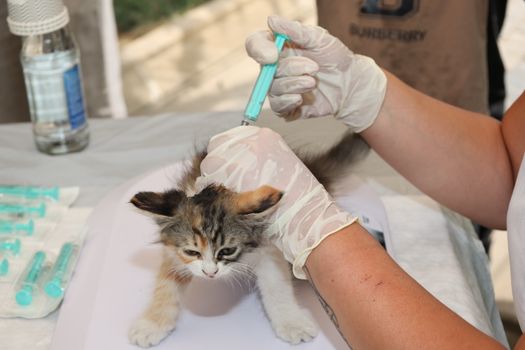
Introduction to Feline Vaccination Guidelines
The American Veterinary Medical Association (AVMA) emphasizes the importance of essential vaccines for cats in preventing serious diseases. According to the AVMA’s 2022 guidelines, vaccination is a crucial aspect of maintaining feline health. Common misconceptions about vaccines can lead to inadequate protection for cats. The American Veterinary Medical Association provides comprehensive guidelines for feline vaccination.
Core Vaccines for Cats: What You Need to Know
Core vaccines, including Rabies and FVRCP (Feline Viral Rhinotracheitis, Calicivirus, and Panleukopenia), are administered to all cats. The initial vaccine series typically starts at 6-8 weeks of age, with boosters given 3-4 weeks apart. According to the Cornell University College of Veterinary Medicine, 2019, potential side effects of core vaccines are rare but may include mild fever and lethargy.
Non-Core Vaccines: When and Why Administer
Non-core vaccines, such as Feline Leukemia Virus (FeLV) and Feline Immunodeficiency Virus (FIV), are recommended based on a cat’s lifestyle and risk factors. The American Animal Hospital Association (AAHA) 2020 guidelines suggest that cats at high risk of exposure to FeLV or FIV should receive these vaccines. Administration schedules and potential benefits vary depending on the vaccine and individual cat.
Vaccine Interactions and Contraindications
Potential interactions between vaccines and underlying medical conditions can contraindicate vaccination. The Journal of Veterinary Internal Medicine, 2018, notes that cats with certain medical conditions, such as kidney disease, may require alternative vaccination protocols. Special considerations are also necessary for pregnant cats.
Vaccine Administration and Safety Precautions
Proper vaccine administration and safety precautions are essential to minimize adverse reactions. The American Association of Feline Practitioners (AAFP) 2019 guidelines recommend using sterile equipment and following aseptic techniques when administering vaccines. Post-vaccination monitoring is also crucial to promptly identify any adverse reactions.
Comparison of Feline Vaccines
| Vaccine | Administration Schedule | Potential Side Effects |
|---|---|---|
| Rabies | Initial vaccine at 12-16 weeks, booster 1 year later | Mild fever, lethargy |
| FVRCP | Initial vaccine series at 6-8 weeks, boosters 3-4 weeks apart | Rare, but may include mild fever and lethargy |
| FeLV | Initial vaccine series at 6-8 weeks, boosters 3-4 weeks apart | Potential side effects include mild fever and lethargy |
Conclusion: Staying Up-to-Date on Feline Vaccination Guidelines
Staying informed about feline vaccination guidelines is crucial to ensure cats receive the necessary protection against serious diseases. The American Veterinary Medical Association (AVMA) 2022 guidelines provide a comprehensive resource for cat owners and veterinarians. Consult with a veterinarian to determine the best vaccination protocol for your cat.
Frequently Asked Questions
What are the core vaccines for cats?
The core vaccines for cats include Rabies and FVRCP. These vaccines are essential for protecting cats against serious diseases.
How often should I vaccinate my cat?
The vaccination schedule for cats depends on various factors, including the type of vaccine and the cat’s lifestyle. Consult with a veterinarian to determine the best vaccination protocol for your cat.
Can I vaccinate my cat myself?
No, it is not recommended to vaccinate your cat yourself. Vaccination requires proper training and equipment to ensure the vaccine is administered safely and effectively.
What are the potential side effects of vaccines?
Potential side effects of vaccines are rare but may include mild fever, lethargy, and swelling at the injection site.
Can I feed my cat a specific diet to boost their immune system?
While a balanced diet is essential for maintaining feline health, there is no specific diet that can replace vaccination. However, a high-quality cat food such as Purina Pro Plan Veterinary Diets Feline HP 5G en Amazon can help support your cat’s overall health.
How can I keep my cat safe from diseases?
In addition to vaccination, keeping your cat indoors, providing regular veterinary care, and practicing good hygiene can help keep your cat safe from diseases.
My Take
As an app developer and professional chef, I understand the importance of maintaining a healthy lifestyle for both humans and animals. When it comes to feline health, vaccination is a crucial aspect of preventing serious diseases. I have seen firsthand the impact of vaccination on preventing the spread of diseases in cat communities. As a responsible cat owner, it is essential to stay informed about feline vaccination guidelines and consult with a veterinarian to determine the best vaccination protocol for your cat.
You might also like
- Armarkat Cat Tree Review
- Oldest Cat Ever Recorded
- Feline Periodontal Disease
- Cat Whisker Sensitivity
Practical Summary
- Consult with a veterinarian to determine the best vaccination protocol for your cat
- Follow the recommended vaccination schedule for your cat
- Monitor your cat for potential side effects after vaccination
- Provide a balanced diet to support your cat’s overall health
- Keep your cat indoors to minimize the risk of disease exposure
- Practice good hygiene to prevent the spread of diseases
- Stay informed about feline vaccination guidelines and updates from reputable sources such as the American Veterinary Medical Association (AVMA)
Written by Vladys Z. — App developer and professional chef. Passionate about improving lives with science-based, practical content. Follow me on YouTube.
📚 Continue reading
Sources
- American Veterinary Medical Association. (2022). Feline Vaccination Guidelines.
- Cornell University College of Veterinary Medicine. (2019). Feline Vaccination.
- American Animal Hospital Association. (2020). Feline Vaccination Guidelines.
- Journal of Veterinary Internal Medicine. (2018). Vaccine Interactions and Contraindications.
- American Association of Feline Practitioners. (2019). Feline Vaccination Guidelines.
Related articles

Feline Hypertrophic Cardiomyopathy Diagnosis
Learn how to identify and manage feline hypertrophic cardiomyopathy
Cat Dental Care Guide
Learn how to care for your cat's teeth with AVMA recommendations

cat ear mites warning signs
Do you know the 5 hidden symptoms of ear mites in cats?