Essential Vaccines for Indoor Cats According to AVMA
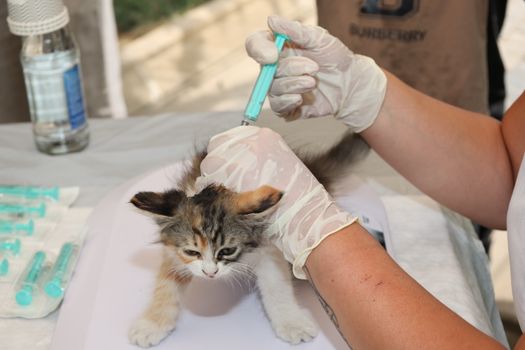
Understanding the AVMA Vaccination Guidelines
The American Veterinary Medical Association (AVMA) provides guidelines for indoor cat vaccinations, emphasizing the importance of core and non-core vaccines. According to the American Veterinary Medical Association, core vaccines are essential for all cats, while non-core vaccines are recommended based on the cat’s lifestyle and risk factors.
Core Vaccines for Indoor Cats
Core vaccines for indoor cats include the rabies vaccine, which is typically administered at 12-16 weeks of age, and the feline viral rhinotracheitis (FVR), feline calicivirus (FCV), and feline panleukopenia (FPV) vaccines, which are usually given in a combination vaccine at 6-8 weeks of age. The AVMA Core Vaccination Guidelines (2020) recommend a booster dose one year after the initial vaccination, and then every 3 years thereafter.
Non-Core Vaccines: When to Consider
Non-core vaccines, such as the feline leukemia virus (FeLV) and feline immunodeficiency virus (FIV) vaccines, are recommended for cats that are at high risk of exposure. According to the American Association of Feline Practitioners (AAFP), cats that go outdoors, are exposed to other cats, or have a history of fighting are at higher risk and may benefit from these vaccines.
Factors Influencing Vaccination Decisions
Several factors influence vaccination decisions, including the cat’s lifestyle, geographical location, and health status. For example, cats that live in areas with high rates of FeLV or FIV may require additional vaccinations. The AVMA Vaccination Guidelines (2020) provide guidance on how to assess these factors and make informed decisions.
Managing Vaccine-Related Risks
While vaccines are generally safe, there is a small risk of adverse reactions. To manage these risks, it’s essential to monitor your cat for signs of an adverse reaction, such as vomiting, diarrhea, or lethargy, and to seek veterinary care immediately if you notice any of these symptoms. The American Animal Hospital Association (AAHA) recommends that veterinarians provide clear instructions on how to monitor for adverse reactions and what to do in case of an emergency.
Consulting with Your Veterinarian
When consulting with your veterinarian about vaccination decisions, it’s essential to ask the right questions, such as what vaccines are recommended, what are the risks and benefits, and what are the potential side effects. The Veterinary Information Network (VIN) provides a wealth of information on vaccination guidelines and can help you make informed decisions.
Comparison of Vaccination Schedules
| Vaccine | Core/Non-Core | Recommended Age |
|---|---|---|
| Rabies | Core | 12-16 weeks |
| FVR/FCV/FPV | Core | 6-8 weeks |
| FeLV | Non-Core | 12-16 weeks (if at high risk) |
| FIV | Non-Core | 12-16 weeks (if at high risk) |
Frequently Asked Questions
What are the most common indoor cat vaccinations?
The most common indoor cat vaccinations are the rabies vaccine, FVR/FCV/FPV vaccine, and FeLV vaccine. According to the Centers for Disease Control and Prevention (CDC), these vaccines are essential for protecting cats against serious diseases.
How often do indoor cats need to be vaccinated?
Indoor cats typically need to be vaccinated every 3 years, although this may vary depending on the vaccine and the cat’s risk factors. The AVMA Vaccination Guidelines (2020) provide guidance on vaccination schedules.
What are the risks of not vaccinating my indoor cat?
The risks of not vaccinating your indoor cat include exposure to serious diseases, such as rabies, FeLV, and FIV. According to the World Health Organization (WHO), these diseases can be fatal if left untreated.
Can I vaccinate my indoor cat myself?
No, it’s not recommended to vaccinate your indoor cat yourself. Vaccinations should only be administered by a licensed veterinarian, as they require specialized training and equipment. The American Veterinary Medical Association (AVMA) emphasizes the importance of proper vaccination techniques to ensure safety and efficacy.
What are the potential side effects of indoor cat vaccinations?
Potential side effects of indoor cat vaccinations include vomiting, diarrhea, and lethargy. According to the Food and Drug Administration (FDA), these side effects are typically mild and short-lived.
How much do indoor cat vaccinations cost?
The cost of indoor cat vaccinations can vary depending on the vaccine, the veterinarian, and the location. On average, the cost of a rabies vaccine is around $20-$50, while the cost of a FVR/FCV/FPV vaccine is around $30-$70. The American Animal Hospital Association (AAHA) provides guidance on vaccination costs and how to budget for them.
My Take
As an app developer and professional chef, I understand the importance of staying informed about the latest vaccination guidelines. When it comes to my own cat, I want to make sure I’m doing everything I can to protect her health and wellbeing. That’s why I always consult with my veterinarian to determine the best vaccination schedule for her. I’ve also found that staying up-to-date on the latest research and guidelines is essential for making informed decisions. The AVMA Vaccination Guidelines (2020) are a valuable resource for cat owners, providing guidance on vaccination schedules, risks, and benefits. In addition to following the recommended vaccination schedule, I also make sure to provide a healthy lifestyle for my cat, including a balanced diet, regular exercise, and plenty of love and attention. By taking a holistic approach to her health, I can help ensure she lives a long and happy life.
You might also like
- Raw Diet for Cats: Evidence, Risks and Vet Consensus
- cat with the longest tail ever recorded
- Cat Food Allergies Symptoms
- Raw Diet for Senior Cats: Risks and Benefits
Practical Summary
- Consult with your veterinarian to determine the best vaccination schedule for your indoor cat
- Follow the recommended vaccination schedule to protect your cat against serious diseases
- Monitor your cat for signs of an adverse reaction after vaccination
- Provide a healthy lifestyle for your cat, including a balanced diet, regular exercise, and plenty of love and attention
- Stay informed about the latest vaccination guidelines and research
- Consider using products like cat vaccine record book en Amazon to keep track of your cat’s vaccination history
- Always follow the instructions provided by your veterinarian for post-vaccination care
- Keep your cat indoors to reduce the risk of exposure to diseases like FeLV and FIV
Written by Vladys Z. — App developer and professional chef. Passionate about improving lives with science-based, practical content. Follow me on YouTube.
📚 Continue reading
Sources
- American Veterinary Medical Association. (2020). Vaccination Guidelines.
- American Association of Feline Practitioners. (2020). Feline Vaccination Guidelines.
- Centers for Disease Control and Prevention. (2020). Rabies Vaccination.
- World Health Organization. (2020). Vaccination.
- Food and Drug Administration. (2020). Animal Vaccines.
Related articles
Feline Hypertrophic Cardiomyopathy Diagnosis
Learn how to identify and manage feline hypertrophic cardiomyopathy
Cat Dental Care Guide
Learn how to care for your cat's teeth with AVMA recommendations

cat ear mites warning signs
Do you know the 5 hidden symptoms of ear mites in cats?