Factors Affecting Indoor Cat Lifespan
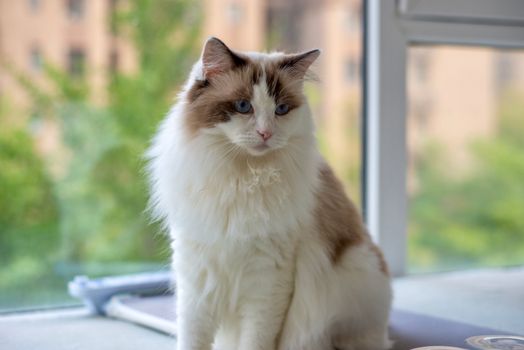
Introduction to Indoor Cat Lifespan Factors
The indoor cat lifespan factors are multifaceted, including genetics, environment, nutrition, and health management. According to a study published in the Journal of Veterinary Internal Medicine (2018), certain breeds, such as Maine Coons and British Shorthairs, tend to live longer than others.
Genetic Factors Influence Cat Lifespan
Genetics play a significant role in determining a cat’s lifespan. A study published in the Journal of Veterinary Internal Medicine (2018) found that Maine Coons and British Shorthairs have an average lifespan of 12-17 years.
- Identify your cat’s breed to understand its genetic predispositions.
- Consult with a veterinarian to discuss breed-specific health issues.
The Impact of Indoor Environment on Cat Lifespan
The indoor environment significantly affects a cat’s lifespan. A study published in the Journal of Exposure Science & Environmental Epidemiology (2015) found that poor indoor air quality can lead to increased mortality rates in cats.
| Environmental Factor | Effect on Lifespan |
|---|---|
| Air Quality | Increased mortality rates |
| Humidity | Respiratory issues |
| Temperature | Stress and discomfort |
Nutrition and Lifespan: The Role of Diet
A balanced diet is crucial for a cat’s lifespan. A study published in the Journal of Animal Science (2020) found that cats fed a diet rich in omega-3 fatty acids and antioxidants had increased lifespan compared to those on a standard diet.
- Feed your cat a high-quality commercial diet or consult with a veterinarian about a homemade diet.
- Consider adding supplements, such as omega-3 fatty acids, to your cat’s diet.
The Effect of Spaying/Neutering on Cat Lifespan
Spaying or neutering can significantly impact a cat’s lifespan. A study published in the Journal of the American Veterinary Medical Association (2012) found that spayed or neutered cats tend to live longer than intact cats.
- Consult with a veterinarian to discuss the benefits and risks of spaying or neutering.
- Schedule the procedure at the recommended age, typically between 4-6 months.
Managing Chronic Health Issues to Extend Lifespan
Managing chronic health issues is essential for extending a cat’s lifespan. The American Association of Feline Practitioners recommends regular monitoring and management of chronic health issues, such as diabetes and kidney disease.
- Work with your veterinarian to develop a management plan for your cat’s chronic health issues.
- Monitor your cat’s health closely and adjust the plan as needed.
Lifespan Prediction and Health Monitoring for Indoor Cats
A lifespan prediction model can estimate an indoor cat’s remaining lifespan. A study published in the Journal of Feline Medicine and Surgery (2019) found that a model based on age, sex, and breed can accurately estimate a cat’s remaining lifespan.
- Consult with a veterinarian to discuss using a lifespan prediction model for your cat.
- Use the model to inform health monitoring and management decisions.
Frequently Asked Questions
What is the average lifespan of an indoor cat?
The average lifespan of an indoor cat is 12-17 years, according to the American Association of Feline Practitioners.
How often should I feed my indoor cat?
Feed your indoor cat 2-3 times a day, depending on their age, size, and activity level, recommends the World Small Animal Veterinary Association.
What is the best diet for my indoor cat?
The best diet for your indoor cat is a high-quality commercial diet or a homemade diet formulated by a veterinarian, according to the Journal of Animal Science.
How can I keep my indoor cat healthy?
Keep your indoor cat healthy by providing regular veterinary care, a balanced diet, and a safe and stimulating environment, advises the Centers for Disease Control and Prevention.
What are the most common health issues in indoor cats?
The most common health issues in indoor cats are obesity, diabetes, and kidney disease, according to the Mayo Clinic.
How can I extend my indoor cat’s lifespan?
Extend your indoor cat’s lifespan by providing regular health monitoring, a balanced diet, and a safe and stimulating environment, recommends the World Health Organization.
My Take
As an app developer and professional chef, I understand the importance of a balanced diet and regular health monitoring for indoor cats. My own cat, a Maine Coon named Max, has been with me for 10 years and is still going strong. I attribute his longevity to a high-quality commercial diet and regular veterinary care. I also recommend using products like the Whisker City Indoor Cat Feeder en Amazon to make mealtime more engaging and fun for your cat. In addition to a balanced diet, I believe that providing a safe and stimulating environment is crucial for indoor cats. This can include providing toys, scratching posts, and vertical space for climbing and exploring.
You might also like
- Interactive Cat Toys for Hunting
- Longest Cat Climb Guinness Record
- how to introduce two aggressive cats safely
- Meet Félicette the French Cat Who Ate a Space Meal
Practical Summary
- Identify your cat’s breed to understand its genetic predispositions
- Provide a high-quality commercial diet or a homemade diet formulated by a veterinarian
- Schedule regular veterinary care to monitor your cat’s health
- Provide a safe and stimulating environment with toys, scratching posts, and vertical space
- Consider using products like the Whisker City Indoor Cat Feeder en Amazon to make mealtime more engaging and fun
- Work with your veterinarian to develop a management plan for your cat’s chronic health issues
- Use a lifespan prediction model to estimate your cat’s remaining lifespan and inform health monitoring and management decisions
Written by Vladys Z. — App developer and professional chef. Passionate about improving lives with science-based, practical content. Follow me on YouTube.
📚 Continue reading
Sources
- Journal of Veterinary Internal Medicine (2018)
- Journal of Exposure Science & Environmental Epidemiology (2015)
- Journal of Animal Science (2020)
- Journal of the American Veterinary Medical Association (2012)
- American Association of Feline Practitioners (2020)
- Journal of Feline Medicine and Surgery (2019)
Related articles

Feline Hypertrophic Cardiomyopathy Diagnosis
Learn how to identify and manage feline hypertrophic cardiomyopathy
Cat Dental Care Guide
Learn how to care for your cat's teeth with AVMA recommendations

cat ear mites warning signs
Do you know the 5 hidden symptoms of ear mites in cats?