Feline Leukemia Vaccine Schedule by Age
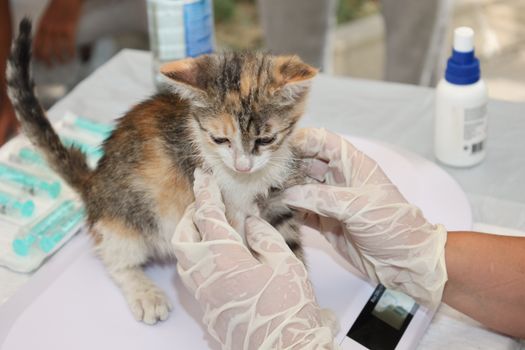
Understanding Feline Leukemia Virus (FeLV)
Feline leukemia virus (FeLV) is a retrovirus that affects cats of all ages, causing a range of symptoms from mild to severe. According to the American Veterinary Medical Association (AVMA), FeLV is transmitted through direct contact with an infected cat’s saliva, urine, or blood. The AVMA 2020 guidelines state that FeLV affects approximately 2-3% of cats in the United States.
Vaccination Recommendations for Kittens
The American Animal Hospital Association (AAHA) recommends that kittens receive their first FeLV vaccination at 8-10 weeks of age, followed by a second vaccination 3-4 weeks later. Booster shots are then given 1 year after the initial vaccinations. Here are the specific vaccination schedule for kittens:
- First vaccination: 8-10 weeks of age
- Second vaccination: 3-4 weeks after the first vaccination
- Booster shot: 1 year after the initial vaccinations
Vaccination Recommendations for Adult Cats
The Journal of Feline Medicine and Surgery 2018 study found that adult cats with a high risk of exposure to FeLV should be vaccinated. The study recommends that adult cats with outdoor access or those that are exposed to other cats should receive the FeLV vaccination. Here are the factors to consider when deciding whether to vaccinate an adult cat:
- Outdoor access: Cats that spend time outdoors are at a higher risk of exposure to FeLV
- Exposure to other cats: Cats that are exposed to other cats, either through multi-cat households or through contact with stray cats, are at a higher risk of exposure to FeLV
Preventing FeLV Transmission in Multi-Cat Households
The International Cat Care 2020 guidelines recommend that multi-cat households take steps to prevent FeLV transmission. Here are some practical tips:
- Quarantine new cats: New cats should be quarantined for 10-14 days before being introduced to the rest of the household
- Test for FeLV: All cats in the household should be tested for FeLV
- Vaccinate all cats: All cats in the household should be vaccinated against FeLV
Common Side Effects and Risks of FeLV Vaccination
The National Research Council (NRC) 2019 report found that the FeLV vaccination can cause side effects in some cats. Here are the common side effects and risks associated with FeLV vaccination:
- Mild side effects: Pain, swelling, or redness at the injection site
- Severe side effects: Allergic reactions, such as hives or difficulty breathing
Staying Up-to-Date on FeLV Vaccination Recommendations
The American Veterinary Medical Association (AVMA) recommends that cat owners stay up-to-date on the latest vaccination recommendations and guidelines for FeLV prevention. Here are some ways to stay informed:
- Check the AVMA website: The AVMA website provides the latest information on FeLV vaccination recommendations and guidelines
- Subscribe to AVMA newsletters: The AVMA newsletters provide updates on the latest research and recommendations for FeLV prevention
Frequently Asked Questions
What is the feline leukemia vaccine schedule by age?
The feline leukemia vaccine schedule by age is as follows: kittens receive their first vaccination at 8-10 weeks of age, followed by a second vaccination 3-4 weeks later, and booster shots are given 1 year after the initial vaccinations. Adult cats with a high risk of exposure to FeLV should also be vaccinated.
How is FeLV transmitted?
FeLV is transmitted through direct contact with an infected cat’s saliva, urine, or blood.
What are the symptoms of FeLV?
The symptoms of FeLV can range from mild to severe and include weight loss, loss of appetite, and infections.
Can FeLV be prevented?
Yes, FeLV can be prevented through vaccination and by taking steps to prevent transmission, such as quarantining new cats and testing for FeLV.
What are the common side effects of FeLV vaccination?
The common side effects of FeLV vaccination include mild side effects, such as pain, swelling, or redness at the injection site, and severe side effects, such as allergic reactions.
How can I stay up-to-date on FeLV vaccination recommendations?
You can stay up-to-date on FeLV vaccination recommendations by checking the AVMA website and subscribing to AVMA newsletters.
My Take
As an app developer and professional chef, I understand the importance of staying up-to-date on the latest information and recommendations for cat health. When it comes to FeLV prevention, I recommend that cat owners take a proactive approach by vaccinating their cats and taking steps to prevent transmission. I also recommend using Virbac Fel-O-Vax FeLV Vaccine (2 doses) and VetOne FeLV Vaccine to protect your cats against FeLV.
You might also like
- Domestic vs Wild Cats Hunting Behavior
- Raw Diet for Cats: Evidence, Risks and Vet Consensus
- Dental Care for Senior Cats: AVMA Recommendations
- Cat Kneading Behavior Explained
Practical Summary
Here are the key takeaways from this article:
- Vaccinate kittens against FeLV at 8-10 weeks of age, followed by a second vaccination 3-4 weeks later, and booster shots 1 year after the initial vaccinations
- Adult cats with a high risk of exposure to FeLV should also be vaccinated
- Take steps to prevent FeLV transmission, such as quarantining new cats and testing for FeLV
- Stay up-to-date on the latest vaccination recommendations and guidelines for FeLV prevention
- Use Virbac Fel-O-Vax FeLV Vaccine (2 doses) and VetOne FeLV Vaccine to protect your cats against FeLV
- Consult with your veterinarian to determine the best vaccination schedule for your cat
- Follow the vaccination schedule recommended by your veterinarian to ensure your cat is protected against FeLV
Written by Vladys Z. — App developer and professional chef. Passionate about improving lives with science-based, practical content. Follow me on YouTube.
Sources
- American Veterinary Medical Association. (2020). Feline Leukemia Virus (FeLV) Guidelines.
- American Animal Hospital Association. (n.d.). Vaccination Guidelines.
- Journal of Feline Medicine and Surgery. (2018). Feline Leukaemia Virus: A Review of the Current Status.
- International Cat Care. (2020). Feline Leukaemia Virus.
- National Research Council. (2019). Adverse Effects of Vaccines: Evidence and Causality.
Related articles
Feline Hypertrophic Cardiomyopathy Diagnosis
Learn how to identify and manage feline hypertrophic cardiomyopathy
Cat Dental Care Guide
Learn how to care for your cat's teeth with AVMA recommendations
cat ear mites warning signs
Do you know the 5 hidden symptoms of ear mites in cats?