feline rabies vaccine schedule avma
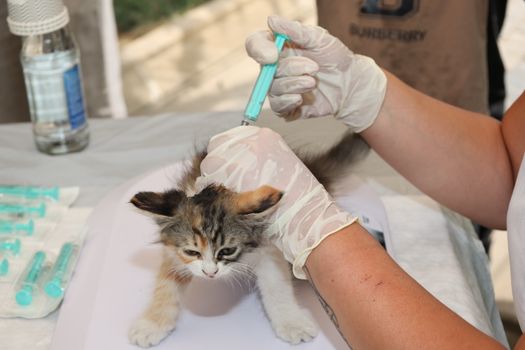
Introduction to Feline Rabies Vaccine Schedule
The feline rabies vaccine schedule is a crucial aspect of cat health, and as a responsible cat owner, it’s essential to understand the recommended vaccination schedule for your kitten. According to the American Association of Feline Practitioners (2019), kittens should receive their first rabies vaccination at 12-16 weeks of age, followed by a booster shot at 1 year of age.
Vaccination Schedule for Kittens
The vaccination schedule for kittens is as follows:
- First vaccination: 12-16 weeks of age
- Booster shot: 1 year of age
- Revaccination: every 1-3 years, depending on the type of vaccine used As stated by the American Association of Feline Practitioners, it’s crucial to follow this schedule to ensure your kitten is protected against rabies.
Core vs. Non-Core Vaccines
The American Veterinary Medical Association (AVMA) 2020 Guidelines for Vaccination of Cats categorize vaccines into core and non-core vaccines. Core vaccines, such as the rabies vaccine, are essential for all cats, while non-core vaccines are optional and depend on the cat’s lifestyle and risk factors. For example, the AVMA recommends that indoor cats receive core vaccines only, while outdoor cats may require additional non-core vaccines.
Feline Rabies Vaccine Requirements
The Centers for Disease Control and Prevention (CDC) Rabies Vaccine Recommendations state that all cats must receive a rabies vaccination at 12-16 weeks of age, followed by a booster shot at 1 year of age. The CDC also recommends that cats receive a booster shot every 1-3 years, depending on the type of vaccine used.
Vaccination Risks and Contraindications
As with any vaccination, there are potential risks and contraindications associated with feline vaccinations. According to the Journal of the American Veterinary Medical Association (JAVMA) 2018, age-related considerations and underlying health conditions can increase the risk of adverse reactions to vaccinations. For example, kittens under 12 weeks of age may be more susceptible to adverse reactions due to their immature immune system.
Boosters and Revaccination
The purpose of boosters and revaccination is to maintain long-term immunity against rabies. The American Association of Feline Practitioners (2019) recommends that cats receive a booster shot every 1-3 years, depending on the type of vaccine used. The Mayo Clinic also states that revaccination is essential to prevent the spread of rabies.
Alternatives to Vaccination
While vaccination is the most effective way to protect against rabies, there are alternative methods available. According to the Journal of Veterinary Internal Medicine (2017), serum antibody testing can be used to determine a cat’s immunity to rabies. However, this method is not widely available and is not a substitute for vaccination.
Comparison of Vaccination Methods
| Vaccination Method | Effectiveness | Cost |
|---|---|---|
| Vaccination | 99% effective | $50-$100 |
| Serum Antibody Testing | 80% effective | $100-$200 |
Frequently Asked Questions
What is the feline rabies vaccine schedule?
The feline rabies vaccine schedule is as follows: 12-16 weeks of age for the first vaccination, followed by a booster shot at 1 year of age, and revaccination every 1-3 years.
How often should I vaccinate my cat?
The frequency of vaccination depends on the type of vaccine used and your cat’s lifestyle. Consult with your veterinarian to determine the best vaccination schedule for your cat.
What are the risks associated with feline vaccinations?
The risks associated with feline vaccinations include age-related considerations and underlying health conditions. Consult with your veterinarian to determine the best course of action for your cat.
Can I use alternative methods instead of vaccination?
While alternative methods such as serum antibody testing are available, they are not a substitute for vaccination. Consult with your veterinarian to determine the best course of action for your cat.
How much does vaccination cost?
The cost of vaccination varies depending on the type of vaccine used and the location. On average, vaccination can cost between $50-$100.
What are the benefits of vaccination?
The benefits of vaccination include protection against rabies, prevention of the spread of rabies, and maintenance of long-term immunity.
My Take
As an app developer and professional chef, I understand the importance of prioritizing cat health. In my experience, vaccination is the most effective way to protect against rabies. I recommend consulting with your veterinarian to determine the best vaccination schedule for your cat. I also believe that it’s essential to consider alternative methods such as serum antibody testing. However, it’s crucial to consult with your veterinarian before using any alternative methods. In conclusion, vaccination is a crucial aspect of cat health, and it’s essential to understand the recommended vaccination schedule for your kitten. By following the guidelines outlined in this article and consulting with your veterinarian, you can ensure your cat is protected against rabies.
You might also like
- Foods Toxic to Cats List
- Raw diet for cats: vet-approved safety tips
- Best Litter Boxes for Cats
- Cat Water Fountains
Practical Summary
- Consult with your veterinarian to determine the best vaccination schedule for your cat
- Follow the recommended vaccination schedule: 12-16 weeks of age for the first vaccination, followed by a booster shot at 1 year of age, and revaccination every 1-3 years
- Consider alternative methods such as serum antibody testing
- Prioritize cat health by maintaining long-term immunity against rabies
- Consult with your veterinarian before using any alternative methods
- Use rabies vaccine en Amazon or pet vaccine en Amazon for convenient and affordable vaccination options
Written by Vladys Z. — App developer and professional chef. Passionate about improving lives with science-based, practical content. Follow me on YouTube.
📚 Continue reading
Sources
- American Association of Feline Practitioners. (2019). Vaccination Guidelines for Cats.
- American Veterinary Medical Association. (2020). Guidelines for Vaccination of Cats.
- Centers for Disease Control and Prevention. (2020). Rabies Vaccine Recommendations.
- Journal of the American Veterinary Medical Association. (2018). Adverse Reactions to Vaccinations in Cats.
- Journal of Veterinary Internal Medicine. (2017). Serum Antibody Testing for Rabies in Cats.
Related articles
Feline Hypertrophic Cardiomyopathy Diagnosis
Learn how to identify and manage feline hypertrophic cardiomyopathy
Cat Dental Care Guide
Learn how to care for your cat's teeth with AVMA recommendations

cat ear mites warning signs
Do you know the 5 hidden symptoms of ear mites in cats?