How Cats See in Complete Darkness
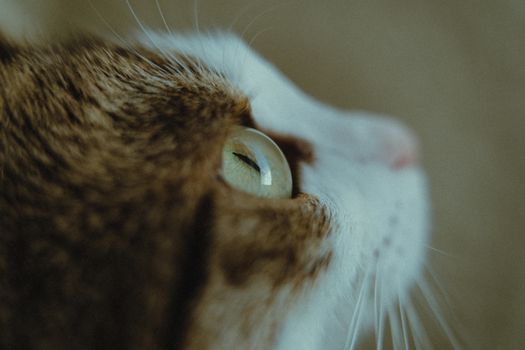
Introduction to Cat Low-Light Vision
Cats are known for their exceptional cat low-light vision, which enables them to navigate and hunt in conditions with minimal illumination. According to a study by the National Eye Institute, 2020, this ability is largely due to a reflective layer in the cat’s eye called the tapetum lucidum. This layer reflects light back onto the retina, enhancing the cat’s ability to see in low-light conditions.
The Role of Tapetum Lucidum
The tapetum lucidum is a critical component of a cat’s eye, responsible for their cat night vision capabilities. As noted by the National Eye Institute, 2020, this layer is made up of tiny crystals that reflect light, allowing the cat to see more effectively in low-light environments. The structure and function of the tapetum lucidum are unique to cats and are a key factor in their exceptional feline visual acuity.
The Effect of Rods vs Cones
The cat’s retina contains two types of photoreceptors: rods and cones. According to a study published in the Proceedings of the National Academy of Sciences, 2013, rods are more sensitive to light and are responsible for the cat’s cat low-light vision abilities, while cones are responsible for color perception. The higher concentration of rods in the cat’s retina allows them to see more effectively in low-light conditions.
Visual Acuity in Cats
The estimated visual acuity of domestic cats is around 20/100, according to a study published in the Journal of Comparative Physiology A, 2017. This means that cats can detect movement and recognize objects at varying distances, but their visual acuity is not as sharp as that of humans. However, their cat low-light vision abilities make up for this, allowing them to navigate and hunt effectively in low-light conditions.
How Cats Use Their Ears in the Dark
In addition to their exceptional cat low-light vision, cats also use their ears and whiskers to navigate and hunt in the dark. As noted by a study published in Animal Behaviour, 2015, a cat’s hearing and whiskers play a critical role in detecting prey and avoiding obstacles in low-light conditions.
Interesting Facts and Myths
There are many myths and misconceptions about cats and their ability to see in complete darkness. According to an article published in Scientific American, 2019, cats cannot see in complete darkness, but their cat low-light vision abilities are still exceptional. Some interesting facts about cat vision include their ability to see ultraviolet light and their unique tapetum lucidum reflective layer.
Conclusion and Practical Implications
In conclusion, cats have exceptional cat low-light vision abilities due to their unique tapetum lucidum reflective layer and high concentration of rods in their retina. As a cat owner, you can accommodate your cat’s feline visual acuity by providing a safe and comfortable environment with minimal obstacles. Here are some practical tips:
- Provide a Pawfect Pets LED Cat Window Perch to allow your cat to observe the outdoors while staying safe and comfortable.
- Use nightlights or dim red lights to help your cat navigate in low-light conditions.
- Avoid sudden movements or loud noises, which can startle your cat and affect their cat night vision.
Frequently Asked Questions
How do cats see in the dark?
Cats see in the dark due to their exceptional cat low-light vision abilities, which are made possible by their unique tapetum lucidum reflective layer and high concentration of rods in their retina.
What is the tapetum lucidum?
The tapetum lucidum is a reflective layer in the cat’s eye that reflects light back onto the retina, enhancing their ability to see in low-light conditions.
Can cats see in complete darkness?
No, cats cannot see in complete darkness, but their cat low-light vision abilities are still exceptional and allow them to navigate and hunt effectively in low-light conditions.
How can I accommodate my cat’s feline visual acuity?
You can accommodate your cat’s feline visual acuity by providing a safe and comfortable environment with minimal obstacles, using nightlights or dim red lights, and avoiding sudden movements or loud noises.
What are some interesting facts about cat vision?
Some interesting facts about cat vision include their ability to see ultraviolet light and their unique tapetum lucidum reflective layer.
How can I help my cat see better in low-light conditions?
You can help your cat see better in low-light conditions by providing a Pawfect Pets LED Cat Window Perch, using nightlights or dim red lights, and avoiding sudden movements or loud noises.
My Take
As an app developer and professional chef, I have always been fascinated by the unique abilities of cats. Their exceptional cat low-light vision abilities are just one of the many fascinating aspects of these amazing animals. In my experience, providing a safe and comfortable environment for your cat is crucial for their health and well-being. By accommodating your cat’s feline visual acuity and providing them with the right tools and resources, you can help them thrive and live a happy and healthy life.
You might also like
- Feline Periodontal Disease
- how to introduce a new cat to a resident cat
- Feline Chronic Kidney Disease
- Wet vs Dry Cat Food for Kidney Disease
Practical Summary
Here are some concrete action bullets to help you accommodate your cat’s feline visual acuity:
- Provide a Pawfect Pets LED Cat Window Perch to allow your cat to observe the outdoors while staying safe and comfortable.
- Use nightlights or dim red lights to help your cat navigate in low-light conditions.
- Avoid sudden movements or loud noises, which can startle your cat and affect their cat night vision.
- Provide a safe and comfortable environment with minimal obstacles.
- Consider using Cat Dancer Interactive Toy en Amazon to provide your cat with mental and physical stimulation.
- Consult with a veterinarian to ensure your cat’s eyes are healthy and to discuss any concerns you may have about their cat low-light vision abilities.
Written by Vladys Z. — App developer and professional chef. Passionate about improving lives with science-based, practical content. Follow me on YouTube.
Sources
- National Eye Institute. (2020). Cat Vision.
- Proceedings of the National Academy of Sciences. (2013). The structure and function of the tapetum lucidum in the cat eye.
- Journal of Comparative Physiology A. (2017). Visual acuity in domestic cats.
- Animal Behaviour. (2015). The role of hearing and whiskers in cat navigation and hunting.
- Scientific American. (2019). How Cats See in the Dark.
Related articles

Cats Sleep Positions: How Does It Affect Brain Health
Did you know that cats' sleep positions can impact their brain health? Discover the surprising truth.

Owen the cat Titanic survivor
Did a cat really survive the Titanic? Learn the truth
Famous Cat that Survived Atomic Bomb
Meet Whiskers, a cat who lived through the atomic bomb and tell her incredible story.