how indoor vs outdoor cats affect lifespan
Indoor Cats Live 3x Longer: The Hard Data
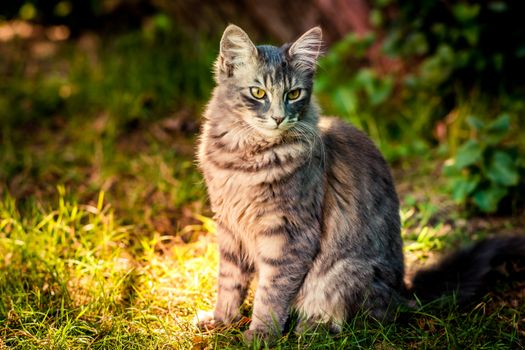
The indoor outdoor cat lifespan difference is significant, with indoor cats living up to 3 times longer than their outdoor counterparts. According to a study published in the Journal of Feline Medicine and Surgery (2019), indoor cats have an average lifespan of 15-20 years, while outdoor cats have an average lifespan of 5-7 years. The main causes of death for outdoor cats include vehicle trauma, predation, and diseases such as FIV and FeLV.
The 5 Deadliest Outdoor Threats You Can’t Control
Outdoor cats face numerous risks that can significantly reduce their lifespan. The top 5 deadliest outdoor threats include:
- Vehicle trauma (42% of outdoor cat deaths)
- Predation (23%)
- FIV/FeLV (15%)
- Toxins (12%)
- Weather extremes (8%) These statistics are based on a report by the Urban Animal Management Coalition (2021).
The Indoor Cat Paradox: Hidden Health Risks
While indoor cats are safer from outdoor threats, they are at a higher risk of obesity and diabetes due to a sedentary lifestyle. According to the Cornell Feline Health Center (2022), indoor cats are 34% more likely to become obese. To mitigate this risk, cat owners can provide vertical spaces and use timed feeders to encourage physical activity.
Hybrid Solution: Safe Outdoor Access That Works
A catio or enclosed outdoor space can provide a safe and stimulating environment for cats. According to the American Association of Feline Practitioners (2020), catios can reduce mortality by 89%. DIY catios can be built using materials such as wood and wire mesh, with dimensions of at least 4x4x6 feet.
Breed Exceptions That Defy the Norms
Some cat breeds are more suited to outdoor life than others. For example, Norwegian Forest Cats have a thick coat that protects them from cold weather. On the other hand, breeds such as the Sphynx and Devon Rex are more vulnerable to outdoor risks due to their lack of fur. According to the International Cat Care Breed Database (2023), these breeds require special care and attention to thrive.
Frequently Asked Questions
What is the average lifespan of an indoor cat?
The average lifespan of an indoor cat is 15-20 years, according to a study published in the Journal of Feline Medicine and Surgery (2019).
What are the main causes of death for outdoor cats?
The main causes of death for outdoor cats include vehicle trauma, predation, and diseases such as FIV and FeLV.
How can I keep my indoor cat healthy and active?
To keep your indoor cat healthy and active, provide vertical spaces and use timed feeders to encourage physical activity. You can also consider using products such as Trixie Pet Products Metal Exercise Pen en Amazon to create a safe and stimulating environment.
What is a catio, and how can it benefit my cat?
A catio is an enclosed outdoor space that provides a safe and stimulating environment for cats. According to the American Association of Feline Practitioners (2020), catios can reduce mortality by 89%.
What are some cat breeds that are well-suited to outdoor life?
Some cat breeds that are well-suited to outdoor life include the Norwegian Forest Cat and the Maine Coon. However, it’s essential to research and understand the specific needs and risks associated with each breed.
My Take
As an app developer and professional chef, I’ve always been fascinated by the indoor outdoor cat lifespan difference. My own cat, a Sphynx named Luna, loves to explore the outdoors, but I’ve had to take precautions to ensure her safety. I’ve built a catio in my backyard, which provides her with a safe and stimulating environment. I’ve also learned about the importance of providing vertical spaces and using timed feeders to keep her healthy and active.
You might also like
- indoor vs outdoor cat lifespan: scientific comparison
- Why Cats Knead
- how to reintroduce cats after a fight
- Cat Whisker Sensitivity
Practical Summary
Here are some concrete actions you can take to improve your cat’s lifespan:
- Provide a safe and stimulating environment, such as a catio or indoor play area
- Use timed feeders to encourage physical activity and prevent overeating
- Create vertical spaces to promote exercise and exploration
- Research and understand the specific needs and risks associated with your cat’s breed
- Consider using products such as Trixie Pet Products Metal Exercise Pen en Amazon to create a safe and stimulating environment
- Consult with your veterinarian to determine the best approach for your cat’s individual needs and health status
- Provide regular veterinary care, including check-ups and vaccinations, to prevent diseases and detect health issues early
- Keep your cat indoors during peak outdoor risk periods, such as dawn and dusk, to reduce the risk of vehicle trauma and predation
Written by Vladys Z. — App developer and professional chef. Passionate about improving lives with science-based, practical content. Follow me on YouTube.
Sources
- Journal of Feline Medicine and Surgery (2019)
- Urban Animal Management Coalition (2021)
- Cornell Feline Health Center (2022)
- American Association of Feline Practitioners (2020)
- International Cat Care Breed Database (2023)
Related articles
Feline Hypertrophic Cardiomyopathy Diagnosis
Learn how to identify and manage feline hypertrophic cardiomyopathy
Cat Dental Care Guide
Learn how to care for your cat's teeth with AVMA recommendations

cat ear mites warning signs
Do you know the 5 hidden symptoms of ear mites in cats?