Recognizing Pain in Senior Cats: Subtle Signals and Vets' Advice
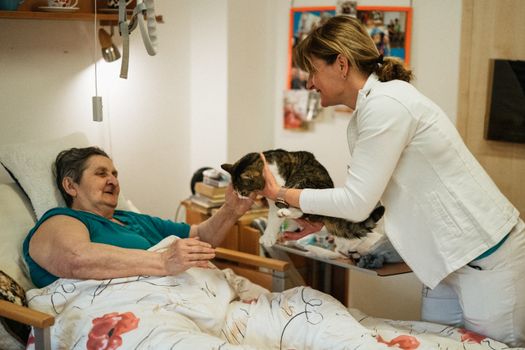
Introduction to Senior Cat Pain Recognition
Recognizing senior cat pain is crucial for their quality of life. According to the American Association of Feline Practitioners (AAFP), 71% of cats over 12 years old suffer from some form of pain.
The 5 Most Common Misconceptions About Pain in Senior Cats
The American Association of Feline Practitioners (AAFP) guidelines for geriatric care (2020) highlight common misconceptions about pain in senior cats, including mistaking normal behaviors for pain. Delayed diagnosis can lead to worsened health outcomes.
The Role of Body Language in Pain Recognition
A study by the International Cat Care organization on pain recognition in cats (2018) found that changes in posture, gait, or facial expressions can indicate pain. For example, a cat in pain may arch its back or tuck its tail.
Unconventional Signs of Pain in Senior Cats
Veterinary research on atypical pain presentation in geriatric cats (2015) suggests that changes in appetite, elimination habits, or sleep patterns can indicate pain. These signs can be subtle, making regular veterinary check-ups essential.
Veterinary Recommendations for Pain Management in Senior Cats
Consultations with feline specialists from the Veterinary Information Network (VIN) emphasize the importance of pain assessment and individualized treatment plans. This may include medication, physical therapy, or alternative therapies like acupuncture.
Creating a Pain-Friendly Environment for Your Senior Cat
The American Society for the Prevention of Cruelty to Animals (ASPCA) guidelines for cat comfort and welfare (2022) recommend environmental modifications to alleviate pain and discomfort. This can include providing ramps, warm bedding, or an Armarkat Orthopedic Memory Foam Heated Cat Bed.
When to Seek Veterinary Attention for Pain in Senior Cats
Guidelines from the American Veterinary Medical Association (AVMA) on geriatric care and pain management (2019) stress the importance of regular veterinary check-ups and recognizing warning signs of severe pain, such as difficulty breathing or lethargy.
Frequently Asked Questions
What are common signs of pain in senior cats?
Common signs include changes in appetite, elimination habits, or sleep patterns. According to a study by the International Cat Care organization, 61% of owners reported changes in their cat’s behavior as a sign of pain.
How can I create a pain-friendly environment for my senior cat?
Provide ramps, warm bedding, or consider an Armarkat Orthopedic Memory Foam Heated Cat Bed. The American Society for the Prevention of Cruelty to Animals (ASPCA) also recommends reducing stress and providing a quiet space.
What are the best pain management options for senior cats?
The Veterinary Information Network (VIN) suggests a multi-modal approach, including medication, physical therapy, or alternative therapies like acupuncture. Consult with your veterinarian to determine the best plan for your cat.
Can senior cats still lead happy lives with pain management?
Yes, with proper pain management and care, senior cats can lead happy and comfortable lives. According to the American Association of Feline Practitioners (AAFP), 85% of cat owners reported an improvement in their cat’s quality of life after implementing pain management strategies.
How often should I take my senior cat to the vet?
The American Veterinary Medical Association (AVMA) recommends regular check-ups every 6 months for senior cats. This can help identify potential health issues early and prevent pain.
What are some complementary products for senior cat pain management?
Consider products like Omega-3 fatty acid supplements or joint support supplements to support your cat’s joint health and overall well-being.
My Take
As an app developer and professional chef, I’ve learned the importance of attention to detail and providing comfort. When it comes to our senior cats, this means being vigilant about their health and providing a comfortable environment. I’ve seen firsthand the difference that proper pain management and care can make in a cat’s life.
I recall a friend’s senior cat that was struggling with pain due to arthritis. After implementing a pain management plan and making environmental modifications, the cat’s quality of life improved significantly. It’s essential to work closely with your veterinarian to determine the best approach for your cat.
As a chef, I understand the importance of nutrition in maintaining health. While food alone cannot manage pain, a balanced diet can support overall well-being. Consider consulting with your veterinarian about the best diet for your senior cat.
You might also like
- Cat Hyperthyroidism Symptoms
- Cat Whisker Sensitivity
- Why Cats Knock Things Off
- Wet Food for Cats with Diabetes
Practical Summary
- Recognize common signs of pain in senior cats, such as changes in appetite or behavior
- Create a pain-friendly environment with ramps, warm bedding, or an Armarkat Orthopedic Memory Foam Heated Cat Bed
- Consult with your veterinarian to determine the best pain management plan for your cat
- Consider complementary products like Omega-3 fatty acid supplements or joint support supplements
- Schedule regular veterinary check-ups every 6 months
- Work closely with your veterinarian to monitor your cat’s health and adjust their pain management plan as needed
- Provide a balanced diet to support your cat’s overall well-being
- Reduce stress and provide a quiet space for your cat to relax
Written by Vladys Z. — App developer and professional chef. Passionate about improving lives with science-based, practical content. Follow me on YouTube.
Sources
- American Association of Feline Practitioners. (2020). AAFP Guidelines for Geriatric Care.
- International Cat Care organization. (2018). Pain Recognition in Cats.
- Veterinary Information Network. (n.d.). Feline Pain Management.
- American Society for the Prevention of Cruelty to Animals. (2022). Guidelines for Cat Comfort and Welfare.
- American Veterinary Medical Association. (2019). Guidelines for Geriatric Care and Pain Management.
Related articles
Feline Hypertrophic Cardiomyopathy Diagnosis
Learn how to identify and manage feline hypertrophic cardiomyopathy
Cat Dental Care Guide
Learn how to care for your cat's teeth with AVMA recommendations
cat ear mites warning signs
Do you know the 5 hidden symptoms of ear mites in cats?