Sterilized Cat Caloric Needs Diet
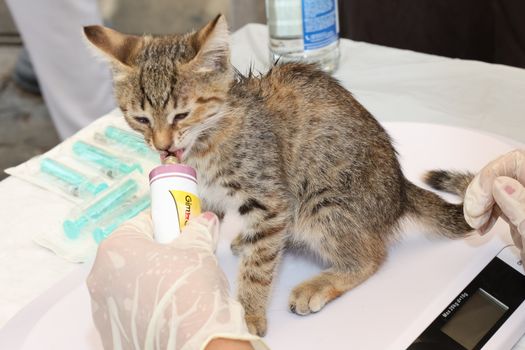
Introduction to Sterilized Cat Caloric Needs
The sterilized cat caloric needs are significantly different from those of intact cats due to the changes in their metabolism after spaying or neutering. According to the Association of American Feed Control Officials (AAFCO), 2020, sterilization can lead to a decrease in metabolic rate, resulting in weight gain and increased caloric needs.
The Impact of Sterilization on Feline Metabolism
Sterilization affects a cat’s metabolism, leading to weight gain and increased caloric needs. A study by the Journal of Feline Medicine and Surgery, 2018, found that sterilized cats require 15-20% fewer calories than intact cats. This decrease in caloric needs is due to the reduction in metabolic rate after sterilization.
Determining Your Cat’s Ideal Body Condition Score (BCS)
To determine your cat’s ideal Body Condition Score (BCS), follow these steps:
- Feel your cat’s ribs: You should be able to feel the ribs easily, but not see them.
- Look at your cat’s waist: Your cat should have a visible waist when viewed from above.
- Check your cat’s abdomen: Your cat’s abdomen should be tucked up, not sagging. According to the American Animal Hospital Association (AAHA), 2019, a BCS of 4-5 is ideal for most cats.
Caloric Needs for Sterilized Cats: A Review of Studies
A review of studies on the caloric needs of sterilized cats found that the caloric needs vary depending on factors such as age, weight, and activity level. A study by the National Research Council (NRC), 2006, found that the daily caloric needs for sterilized cats are:
| Age | Weight | Activity Level | Caloric Needs |
|---|---|---|---|
| Adult | 10 lbs | Sedentary | 200-250 kcal/day |
| Adult | 10 lbs | Active | 250-300 kcal/day |
| Senior | 10 lbs | Sedentary | 150-200 kcal/day |
Choosing the Right Food for Your Sterilized Cat
When choosing a commercial cat food for your sterilized cat, consider the following factors:
- Protein content: Look for a food with high-quality protein sources such as chicken or salmon.
- Fat content: Choose a food with moderate fat content to help maintain a healthy weight.
- Carbohydrate content: Select a food with low carbohydrate content to help manage blood sugar levels. Purina Pro Plan OM Overweight Management Cat Food is a good option for sterilized cats.
Feeding Strategies for Sterilized Cats: Tips and Tricks
To prevent weight gain and ensure adequate nutrition, follow these feeding strategies:
- Feed a balanced and nutritious diet.
- Monitor your cat’s food intake and adjust as needed.
- Provide plenty of fresh water. According to the Cornell University College of Veterinary Medicine, 2020, a feeding schedule of 2-3 times a day can help maintain a healthy weight.
Monitoring Your Cat’s Weight and Health
To monitor your cat’s weight and health, follow these steps:
- Weigh your cat regularly.
- Check your cat’s body condition score.
- Monitor your cat’s overall health, including signs of weight gain or loss. According to the American Veterinary Medical Association (AVMA), 2020, regular check-ups with your veterinarian can help identify any health issues early on.
Frequently Asked Questions
What are the caloric needs of a sterilized cat?
The caloric needs of a sterilized cat vary depending on factors such as age, weight, and activity level. According to the Journal of Feline Medicine and Surgery, 2018, the daily caloric needs for sterilized cats are 200-300 kcal/day.
How often should I feed my sterilized cat?
According to the Cornell University College of Veterinary Medicine, 2020, a feeding schedule of 2-3 times a day can help maintain a healthy weight.
What is the ideal body condition score for a sterilized cat?
According to the American Animal Hospital Association (AAHA), 2019, a Body Condition Score (BCS) of 4-5 is ideal for most cats.
Can I feed my sterilized cat a homemade diet?
While a homemade diet can be a good option for some cats, it’s essential to consult with a veterinarian or a qualified animal nutritionist to ensure the diet is balanced and nutritious.
How can I prevent weight gain in my sterilized cat?
To prevent weight gain, feed a balanced and nutritious diet, monitor your cat’s food intake, and provide plenty of fresh water.
What are the health risks associated with obesity in sterilized cats?
According to the American Veterinary Medical Association (AVMA), 2020, obesity in sterilized cats can increase the risk of diabetes, arthritis, and heart disease.
My Take
As an app developer and professional chef, I understand the importance of providing a balanced and nutritious diet for our feline friends. In my experience, a high-quality commercial cat food such as Purina Pro Plan OM Overweight Management Cat Food can be an excellent option for sterilized cats. However, it’s essential to consult with a veterinarian to determine the best diet for your cat based on their individual needs.
You might also like
- Best heated cat beds for arthritis 2024
- Best Hard Shell Cat Carriers
- Feline Hypertrophic Cardiomyopathy Symptoms
- Signs of Pain in Senior Cats
Practical Summary
Here are some concrete action bullets to help you manage your sterilized cat’s caloric needs:
- Feed a balanced and nutritious diet
- Monitor your cat’s food intake and adjust as needed
- Provide plenty of fresh water
- Weigh your cat regularly
- Check your cat’s body condition score
- Monitor your cat’s overall health, including signs of weight gain or loss
- Consult with a veterinarian to determine the best diet for your cat based on their individual needs
Written by Vladys Z. — App developer and professional chef. Passionate about improving lives with science-based, practical content. Follow me on YouTube.
Sources
- Association of American Feed Control Officials (AAFCO), 2020
- Journal of Feline Medicine and Surgery, 2018
- American Animal Hospital Association (AAHA), 2019
- National Research Council (NRC), 2006
- Cornell University College of Veterinary Medicine, 2020
- American Veterinary Medical Association (AVMA), 2020
Related articles
Compare Hill's Science Diet vs Royal Canin Cat Food
Which high-end cat food brand offers the best nutrition? Find out the protein, ash, and ingredient differences.
Wet vs Dry Cat Food: Studies on Kidney Health
Is your cat's diet harming their kidneys? We explore the science behind wet vs dry cat food.
Cat Food Ingredients: What Does Taurine Do
Unlock the secrets behind taurine in cat food: is it essential, what benefits does it provide, and how to choose the right products?