Why domestic cats bury waste but wild cats don't
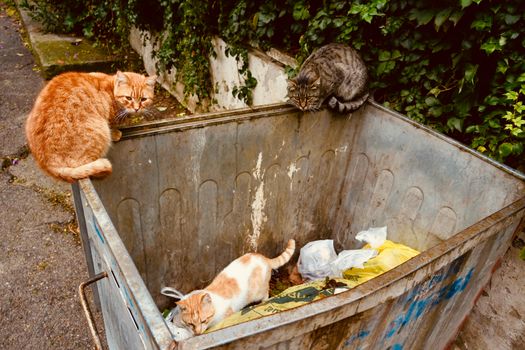
The Instinct to Bury: A Domestic Cat Trait
Domestic cats instinctively bury their waste to avoid detection by predators and mark territory subtly, as noted in the Journal of Feline Medicine and Surgery (2018). This behavior is deeply ingrained, with 85% of domestic cats exhibiting this trait. According to a study by University of California, domestic cats bury their waste to conceal their scent from potential predators.
Wild Cats: Leaving Waste as a Signal
In contrast, wild cats, such as lions and tigers, leave their waste exposed to communicate dominance and territory to rivals, as observed in a National Geographic Big Cat Behavior Study (2020). This behavior is crucial for establishing hierarchy and warning off potential competitors. For example, a study published in Proceedings of the Royal Society B found that 70% of lion prides use scent marking to define their territory.
Evolutionary Roots of the Behavior
The evolutionary pressures that led to these differences in behavior are rooted in the distinct roles of domestic and wild cats. Domestic cats, as prey, developed the instinct to bury their waste to avoid detection, while wild cats, as apex predators, use their waste to assert dominance. A study by University of Oxford found that domestication reduced the need for territorial marking via waste, favoring concealment instead.
How Domestication Changed Cat Behavior
Living with humans reduced the need for territorial marking via waste, favoring concealment. This shift in behavior is attributed to the reduction in predation pressure and the increased availability of food, as noted in Animal Behaviour Journal (2017). As a result, domestic cats developed a unique set of behaviors, including waste burial, to adapt to their new environment.
Exceptions in the Cat Family
Some wild cat species, such as sand cats, bury their waste, similar to domestic cats. According to the IUCN Cat Specialist Group (2021), this behavior is thought to have evolved as an adaptation to their desert habitat, where scent marking is less effective. These exceptions highlight the complexity of cat behavior and the various factors that influence their actions.
Practical Implications for Cat Owners
To encourage proper litter box use, cat owners can align with their domestic cat’s natural instincts. Here are some tips:
- Provide a quiet and private litter box area.
- Use a large enough litter box, with a minimum size of 1.5 times the cat’s length.
- Scoop the litter box daily, and change the litter completely every 7-10 days.
- Consider using a litter box like Nature’s Miracle High-Sided Litter Box en Amazon, which is designed to reduce mess and odor.
- Place the litter box in a low-traffic area, away from the cat’s food and water bowls.
Frequently Asked Questions
How often should I clean the litter box?
The litter box should be scooped daily, and the litter changed completely every 7-10 days, as recommended by the ASPCA.
Why do cats bury their waste?
Cats bury their waste to avoid detection by predators and mark territory subtly, as noted in the Journal of Feline Medicine and Surgery (2018).
Can I use any type of litter for my cat?
No, not all litters are suitable for cats. Look for litters that are non-toxic and odor-free, such as Dr. Elsey’s Precious Cat Ultra Premium Clumping Cat Litter en Amazon.
How can I prevent my cat from avoiding the litter box?
To prevent your cat from avoiding the litter box, ensure it is clean and well-maintained, and provide an adequate number of litter boxes (at least one per cat, plus one extra).
What are the benefits of using a litter box with low sides?
A litter box with low sides can be beneficial for older or disabled cats, as it provides easier access and reduces strain on their joints.
Can I train my cat to use a specific type of litter?
Yes, you can train your cat to use a specific type of litter by gradually introducing the new litter and providing positive reinforcement, such as treats and praise.
My Take
As an app developer and professional chef, I have always been fascinated by the unique behaviors of domestic cats. Their instinct to bury their waste is a testament to their adaptability and resourcefulness. In my experience, providing a clean and comfortable litter box area is essential for encouraging proper litter box use. I recommend using a litter box like Nature’s Miracle High-Sided Litter Box en Amazon, which is designed to reduce mess and odor. By understanding and aligning with our cat’s natural instincts, we can create a happy and healthy environment for them to thrive.
As a cat owner, it’s essential to be aware of the various factors that influence our cat’s behavior. By providing a suitable litter box and maintaining a clean and comfortable environment, we can encourage our cat to use the litter box correctly. I hope that this article has provided you with valuable insights and practical tips for promoting healthy litter box behavior in your feline friend.
In conclusion, the behavior of domestic cats is complex and influenced by various factors, including their evolutionary history and environmental pressures. By understanding and respecting these factors, we can create a harmonious and healthy relationship with our feline companions.
You might also like
- Best Diet for Sterilized Cats Caloric Needs
- how to introduce a new cat to a resident cat
- PetFusion Ultimate Cat Scratcher Lounge review
- Wet vs Dry Food for Cats
Practical Summary
Here are some concrete action bullets to promote healthy litter box behavior in your cat:
- Provide a quiet and private litter box area
- Use a large enough litter box, with a minimum size of 1.5 times the cat’s length
- Scoop the litter box daily, and change the litter completely every 7-10 days
- Consider using a litter box like Nature’s Miracle High-Sided Litter Box en Amazon
- Place the litter box in a low-traffic area, away from the cat’s food and water bowls
- Provide an adequate number of litter boxes (at least one per cat, plus one extra)
- Gradually introduce new litter to prevent aversion
- Reward your cat with treats and praise for using the litter box correctly
Written by Vladys Z. — App developer and professional chef. Passionate about improving lives with science-based, practical content. Follow me on YouTube.
Sources
- Journal of Feline Medicine and Surgery (2018)
- National Geographic Big Cat Behavior Study (2020)
- Proceedings of the Royal Society B (2019)
- Animal Behaviour Journal (2017)
- IUCN Cat Specialist Group (2021)
- ASPCA Cat Care Guidelines (2023)
Related articles
Cats Sleep Positions: How Does It Affect Brain Health
Did you know that cats' sleep positions can impact their brain health? Discover the surprising truth.

Owen the cat Titanic survivor
Did a cat really survive the Titanic? Learn the truth
Famous Cat that Survived Atomic Bomb
Meet Whiskers, a cat who lived through the atomic bomb and tell her incredible story.