Best cat carriers for air travel: size rules & airline-approved picks
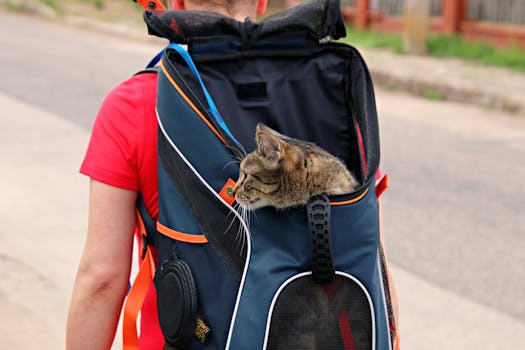
Introduction to Airline-Approved Cat Carriers
When it comes to traveling with your feline friend, choosing the right airline approved cat carriers is crucial. According to the International Air Transport Association (IATA), the size and type of carrier can significantly impact your cat’s comfort and safety during the flight. In this article, we will explore the exact size requirements for major airlines, the differences between soft-sided and hard-shell carriers, and provide practical advice on how to measure your cat correctly.
Exact Size Requirements for 5 Major Airlines
The following comparison chart shows the under-seat dimensions for Delta, United, American Airlines, JetBlue, and Southwest:
| Airline | Under-Seat Width | Under-Seat Height |
|---|---|---|
| Delta | 18 inches | 11 inches |
| United | 18 inches | 11 inches |
| American Airlines | 19 inches | 13 inches |
| JetBlue | 18 inches | 10 inches |
| Southwest | 18.5 inches | 13.5 inches |
| These dimensions are based on the 2023 airline pet policy documents from each airline. |
Soft-Sided vs. Hard-Shell: Which Airlines Allow Which
While some airlines allow both soft-sided and hard-shell carriers, others have specific requirements. For example, Alaska Airlines bans all hard carriers, while Emirates requires them. According to the International Pet and Animal Transportation Association 2022 report, it’s essential to check with your airline before booking your flight. Here are some specific model recommendations for each:
- Soft-sided: Sherpa Travel Original Airline-Approved Pet Carrier
- Hard-shell: SturdiBag Pet Carrier
The 3 TSA Features Most Carriers Lack
To speed up security checks, look for carriers with the following features:
- Removable top panels
- Steel-reinforced zippers
- Quick-release straps These features are recommended by the TSA Pet Screening Guidelines 2023.
How to Measure Your Cat Correctly
Measuring your cat correctly is crucial to ensure a comfortable and safe flight. The IATA Live Animal Regulations provide a diagram showing the correct way to measure your cat:
- Nose-to-rump: Measure from the tip of your cat’s nose to the base of their tail
- Curled position: Measure your cat while they are curled up, as this will give you the most accurate measurement For long-haired breeds, it’s essential to take into account their fur length when measuring.
Pro Tip: The Secret to Stress-Free Layovers
To ensure a stress-free layover, avoid using carrier-mounted food and water bowls, as they can fail at security checks. Instead, opt for a spill-proof design, such as the Outward Hound Spill-Proof Water Bowl. According to a 2021 study on feline stress during air travel by the University of Veterinary Medicine Vienna, providing a comfortable and stress-free environment is essential for your cat’s well-being.
Frequently Asked Questions
What is the best cat carrier for flying?
The best cat carrier for flying is one that is airline approved and meets the specific requirements of your airline. Look for carriers with removable top panels, steel-reinforced zippers, and quick-release straps.
How do I measure my cat for a carrier?
To measure your cat, use the nose-to-rump and curled position methods, taking into account their fur length if they are a long-haired breed.
Can I use a hard-shell carrier on any airline?
No, not all airlines allow hard-shell carriers. Check with your airline before booking your flight to ensure you have the correct type of carrier.
What is the maximum size of a cat carrier for under-seat storage?
The maximum size of a cat carrier for under-seat storage varies by airline, but most have a maximum width of 18-19 inches and a maximum height of 11-13 inches.
How can I reduce my cat’s stress during layovers?
To reduce your cat’s stress during layovers, provide a comfortable and stress-free environment, avoid using carrier-mounted food and water bowls, and opt for a spill-proof design instead.
What is the most important feature of a cat carrier for air travel?
The most important feature of a cat carrier for air travel is that it is TSA compliant and meets the specific requirements of your airline.
My Take
As an app developer and professional chef, I understand the importance of attention to detail and providing a comfortable environment for your pet. When traveling with my own cat, I always make sure to choose an airline approved cat carrier that meets the specific requirements of my airline. I also take into account my cat’s individual needs and preferences, such as providing a comfortable and stress-free environment during layovers.
In my experience, the key to a successful flight with your cat is preparation and attention to detail. By choosing the right carrier, measuring your cat correctly, and providing a comfortable environment, you can ensure a stress-free and enjoyable flight for both you and your cat.
As a final tip, I recommend checking with your airline for any specific requirements or recommendations for traveling with your cat. By doing so, you can ensure a smooth and enjoyable flight for both you and your feline friend.
You might also like
- Interactive Cat Toys For Seniors
- Best self-cleaning litter boxes for large cats 2024
- Best cat carriers for air travel
- Cat Travel Anxiety Solutions
Practical Summary
Here are some concrete action bullets to help you prepare for your next flight with your cat:
- Choose an airline approved cat carrier that meets the specific requirements of your airline
- Measure your cat correctly using the nose-to-rump and curled position methods
- Provide a comfortable and stress-free environment during layovers
- Avoid using carrier-mounted food and water bowls
- Opt for a spill-proof design instead
- Check with your airline for any specific requirements or recommendations for traveling with your cat
- Consider using a soft-sided carrier, such as the Sherpa Travel Original Airline-Approved Pet Carrier
- Always follow the TSA Pet Screening Guidelines 2023 for a smooth and enjoyable flight
Written by Vladys Z. — App developer and professional chef. Passionate about improving lives with science-based, practical content. Follow me on YouTube.
Sources
- International Air Transport Association. (2023). Live Animal Regulations.
- International Pet and Animal Transportation Association. (2022). 2022 Report.
- TSA. (2023). Pet Screening Guidelines.
- University of Veterinary Medicine Vienna. (2021). Feline Stress During Air Travel.
- IATA. (2023). Airline Pet Policy Documents.
Related articles
Best Litter Boxes for Multiple Cats: Real Comparison
Discover top-rated litter boxes for multi-cat households, expertly reviewed and compared.
best cat carriers for road trips
Top picks for safe and comfortable travel with your feline friend
Best Cat Carriers for Small Cats
Find the perfect cat carrier for your tiny feline friend. Compare sizes, materials, and get purchase links.