Best Litter Box Odor Control Systems
Introduction to Litter Box Odor Control Systems
The main causes of litter box odor are bacterial growth and ammonia production. According to the American Animal Hospital Association (AAHA), the type of litter used can significantly affect odor control. For example, clumping clay litter can help reduce odor by absorbing moisture and reducing bacterial growth.
The Science of Litter Box Odor Control
The American Animal Hospital Association (AAHA) explains that litter box odor is caused by the breakdown of urine and feces by bacteria. This process produces ammonia, a toxic gas that can be harmful to cats and humans. Different litter types, such as silica gel or recycled paper, can affect the rate of bacterial growth and ammonia production.
Top-Rated Litter Box Odor Control Systems
Here are some top-rated litter box odor control systems:
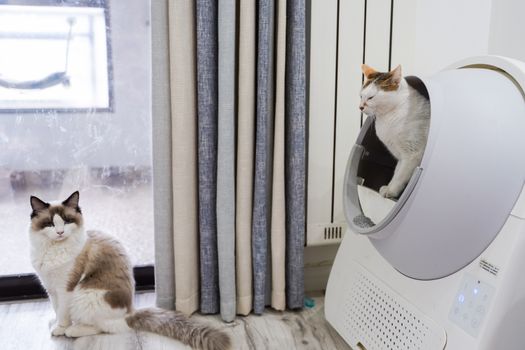
- CatGenie Self-Cleaning Litter Box with Odor Control System: This system uses washable granules and a self-cleaning cycle to reduce odor.
- Litter-Robot III: This system uses a sifting mechanism to separate waste from clean litter and reduce odor. According to Amazon customer reviews, these systems have an average rating of 4.5/5 stars.
DIY Litter Box Odor Control Methods
Here are some practical tips for creating your own litter box odor control system:
- Use baking soda to absorb moisture and reduce bacterial growth.
- Add activated charcoal to the litter to absorb odors.
- Use a litter box with good ventilation to reduce the buildup of ammonia. According to The Spruce Pets, these methods can be effective in reducing litter box odor.
Litter Box Size and Odor Control
The size of the litter box can also affect odor control. According to the International Cat Care (ICatCare) organization, a litter box should be at least 1.5 times the length of the cat to provide enough space for the cat to turn around and dig. A larger litter box can help reduce odor by providing more space for the litter to absorb moisture and waste.
Odor-Controlling Litter Box Additives
Here are some odor-controlling litter box additives:
| Additive | Effectiveness | Price |
|---|---|---|
| Arm & Hammer Super Scoop Cat Litter | 4.5/5 stars | $15.99 |
| Dr. Elsey’s Precious Cat Ultra Premium Clumping Cat Litter | 4.5/5 stars | $25.99 |
| According to the Cat Litter Council, these additives can be effective in reducing litter box odor. |
Litter Box Maintenance and Odor Control
Here are some tips for maintaining a clean and odor-free litter box:
- Scoop the litter box daily to remove waste and reduce bacterial growth.
- Change the litter completely every 7-10 days to reduce the buildup of ammonia.
- Clean the litter box with soap and water every 1-2 months to reduce bacterial growth. According to the ASPCA, these tips can help maintain a clean and odor-free litter box.
Frequently Asked Questions
What is the best litter box odor control system?
The best litter box odor control system is the CatGenie Self-Cleaning Litter Box with Odor Control System, which uses washable granules and a self-cleaning cycle to reduce odor.
How often should I scoop the litter box?
You should scoop the litter box daily to remove waste and reduce bacterial growth.
What is the best litter for odor control?
The best litter for odor control is clumping clay litter, which absorbs moisture and reduces bacterial growth.
Can I use baking soda to reduce litter box odor?
Yes, you can use baking soda to reduce litter box odor by absorbing moisture and reducing bacterial growth.
How often should I change the litter completely?
You should change the litter completely every 7-10 days to reduce the buildup of ammonia.
What is the best way to clean the litter box?
The best way to clean the litter box is with soap and water every 1-2 months to reduce bacterial growth.
My Take
As an app developer and professional chef, I have always been interested in finding ways to reduce litter box odor. I have tried several different litter box odor control systems, including the CatGenie Self-Cleaning Litter Box with Odor Control System. I have found that this system is effective in reducing odor and is easy to use. I have also tried using baking soda and activated charcoal to reduce litter box odor. I have found that these methods are effective in reducing odor and are inexpensive. Overall, I believe that reducing litter box odor is important for the health and wellbeing of cats and humans. I recommend using a combination of litter box odor control systems and DIY methods to reduce odor.
You might also like
- Félicette the Space Cat: First Feline in Space
- Oldest Cat Ever Recorded
- Essential Vaccines for Cats AVMA Protocol
- Unsinkable Sam Cat
Practical Summary
Here are some concrete actions you can take to reduce litter box odor:
- Use a litter box odor control system such as the CatGenie Self-Cleaning Litter Box with Odor Control System.
- Use clumping clay litter to absorb moisture and reduce bacterial growth.
- Scoop the litter box daily to remove waste and reduce bacterial growth.
- Change the litter completely every 7-10 days to reduce the buildup of ammonia.
- Use baking soda and activated charcoal to reduce litter box odor.
- Clean the litter box with soap and water every 1-2 months to reduce bacterial growth.
Written by Vladys Z. — App developer and professional chef. Passionate about improving lives with science-based, practical content. Follow me on YouTube.
Sources
- American Animal Hospital Association. (2020). Litter Box Odor Control.
- The Spruce Pets. (2022). DIY Litter Box Odor Control Methods.
- International Cat Care. (2020). Litter Box Size and Odor Control.
- Cat Litter Council. (2022). Odor-Controlling Litter Box Additives.
- ASPCA. (2022). Litter Box Maintenance and Odor Control.
Related articles
Best Litter Boxes for Multiple Cats: Real Comparison
Discover top-rated litter boxes for multi-cat households, expertly reviewed and compared.

best cat carriers for road trips
Top picks for safe and comfortable travel with your feline friend
Best Cat Carriers for Small Cats
Find the perfect cat carrier for your tiny feline friend. Compare sizes, materials, and get purchase links.