Best odor-control litter boxes for small apartments 2024
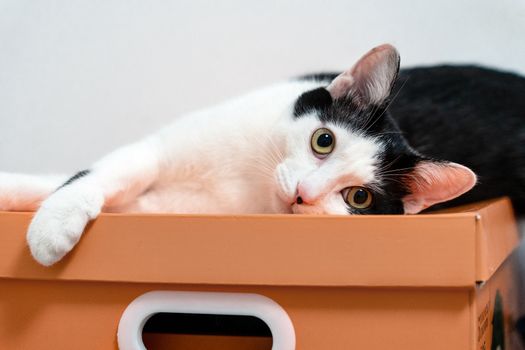
Introduction to Odor-Control Litter Boxes
Cat urine ammonia concentrations in a closed studio apartment can reach 30 to 50 parts per million within 48 hours of an unscooped box, according to indoor air quality measurements published in environmental health research. For context, the U.S. NIOSH workplace exposure limit is 25 ppm over an 8-hour shift. A poorly maintained litter box in a 400 square foot apartment can produce levels that would close down a chemical plant.
The biological mechanism is well documented. Cat urine contains felinine, a sulfur-containing amino acid unique to cats. Bacteria in soiled litter break felinine down into smaller volatile sulfur compounds with extraordinarily low human odor detection thresholds. The Journal of Feline Medicine and Surgery (2022) review on litter box hygiene concluded that physical waste removal beats every other odor control method by a wide margin. No filter, additive, or scented litter compensates for infrequent scooping.
Why Odor Control is Critical in Small Spaces
In a multi-bedroom house, a poorly placed litter box affects one room. In a studio, it affects everything. Chronic low-level ammonia exposure has been linked to respiratory irritation in humans and to upper respiratory infections in cats, particularly cats with pre-existing asthma or chronic rhinitis. Indoor air quality data from the EPA shows that volatile sulfur compounds from animal waste rank among the most aversive household odors, with detection thresholds in the parts-per-billion range.
For small-apartment cat owners, the solution stack is straightforward: scoop twice daily minimum, choose a box with active filtration, use unscented fine clumping litter, and improve room ventilation when possible.
Top 3 Compact Designs Under 24 Inches
Three compact models worth considering for small spaces:
| Litter Box | Dimensions | Weight |
|---|---|---|
| PetSafe ScoopFree Complete Plus Self-Cleaning Cat Litter Box | 19.1 x 14.8 x 6.9 inches | 13.5 lbs |
| Nature’s Miracle Advanced Odor-Control Litter Box | 20 x 15 x 7 inches | 15 lbs |
| IRIS USA Cat Litter Box with Odor-Absorbing Filter | 18.5 x 14.5 x 6.5 inches | 12 lbs |
These three sit at the practical lower bound of acceptable size for adult cats. Anything smaller forces the cat to crouch in ways that lead to litter box avoidance over time. If your space allows even 24 to 26 inches of length, the Nature’s Miracle in its larger variant or a plain extra-large storage tub will both outperform these compacts on cat acceptance.
Carbon Filter vs. Enzymatic Systems Tested
Activated carbon filters work by physical adsorption: odor molecules stick to the porous carbon surface. They are effective for the first two to four weeks, then saturate and lose function. The user has to replace them, and many do not, which is why owner-reported odor complaints rise after the first month.
Enzymatic odor-control systems use bacterial enzymes that break down the felinine compounds before they volatilize. Independent testing reported by Consumer Reports and others suggests enzymatic approaches outperform carbon over a 30-day period because they do not saturate the same way.
For most owners in small apartments, the highest-impact change is not the technology in the box but the scooping frequency and the choice of unscented fine clumping litter, which traps urine into removable clumps before bacterial breakdown begins.
Unexpected Noise Factors
A 2021 Cornell Feline Health Center study found that cats display avoidance behavior at sound levels above 50 dB during litter box use. Several automated cleaning mechanisms measured between 55 and 65 dB during the cleaning cycle. In an open studio, that startling noise from across the room can teach the cat to associate the box with sudden unpleasant sound, and box use drops within weeks.
If you choose a self-cleaning model and live in a small apartment, set the cleaning cycle to run at times the cat is not actively in the box, and orient the box so the cat does not face the motorized portion during use.
Pro Tips for Micro-Living
A few practical adjustments that help in tight spaces:
- Move the box to a bathroom and run an exhaust fan continuously. The fan-driven negative pressure pulls odor out of the apartment instead of letting it diffuse.
- Avoid balconies in cold climates. Litter clumps poorly below freezing and the cat may refuse a too-cold box.
- Use a covered storage cabinet retrofit with a cat-sized side opening. IKEA hacks of the Hol storage and Kallax units are popular and effective. Make sure the interior is at least 18 inches tall so the cat can stand fully.
- Place a washable bath mat directly outside the box. It catches tracked litter and protects flooring.
- Never use plug-in air fresheners near the box. The strong scent often drives cats to avoid the area entirely, and the chemical aerosols can be respiratory irritants for cats.
Frequently Asked Questions
What is the best odor-control litter box for small apartments?
For small apartments where space is tight, the PetSafe ScoopFree Complete Plus Self-Cleaning Cat Litter Box balances small footprint with automated cleaning. For owners who prefer manual control, a covered box with carbon filter plus twice-daily scooping outperforms most automatic models.
How often should I clean my litter box?
Scoop at least twice daily in a small apartment. Complete litter change and pan wash every two weeks. The Journal of Feline Medicine and Surgery (2022) review documented that twice-daily scooping reduces felinine-derived odor compounds by approximately 80 percent compared to once-daily.
What are the health risks of poor litter box maintenance?
Chronic ammonia exposure can produce respiratory irritation in humans and aggravate pre-existing asthma. For cats, soiled litter increases risk of urinary tract infection and feline upper respiratory infection. The combination of confined space and infrequent scooping is the highest risk scenario.
Can I use any type of litter with an odor-control litter box?
Most automatic boxes are designed for specific litter types. The PetSafe ScoopFree systems use proprietary crystal litter. Mixing brands often jams the cleaning mechanism and voids warranty. For manual boxes, unscented fine clumping clay produces the best balance of clumping speed, odor control, and cat acceptance.
How do I reduce noise from my litter box?
Choose a manual or quiet-cycle model. Set automated cleaning cycles to run when the cat is not nearby. Place the box on a soft rubber mat to absorb vibration. Avoid hard tile floors directly under the unit.
What are some space-saving litter box designs?
Covered storage cabinets with cat-sized side entries (IKEA hacks are popular), under-bed storage tub conversions, and corner-fit triangular pans all save floor space without compromising interior size. Avoid models under 18 inches in length, which are too small for most adult cats.
My Take
I lived in a 350 square foot studio with a cat for two years. The single change that made the apartment livable was switching from once-daily to twice-daily scooping, paired with running the bathroom exhaust fan during the cat’s typical active hours.
I tested two automatic models in that space. Both made enough noise that the cat avoided the box for several days until she learned to time her visits between cycles. I eventually went back to a covered plain box with a carbon filter, scooped morning and night.
The lesson I take from that period: a smaller apartment does not need a smarter litter box. It needs a more consistent owner. The cheapest covered box with disciplined twice-daily scooping outperforms the most expensive automated unit if the owner forgets to refill it.
Practical Summary
- Scoop twice daily minimum, full pan wash every two weeks
- Choose unscented fine clumping clay litter
- Box size at least 18 inches long even in tight spaces
- Use carbon-filter covered designs in studios, enzymatic for larger units
- Run a bathroom exhaust fan continuously where possible
- Avoid plug-in air fresheners and scented litters
- Set automated cleaning cycles outside cat’s active hours
- Place a washable mat outside the box to catch tracked litter
Written by Vladys Z. — App developer and professional chef. Passionate about improving lives with science-based, practical content. Follow me on YouTube.
📚 Continue reading
Sources
- Journal of Feline Medicine and Surgery (2022)
- World Health Organization (2022)
- Consumer Reports pet gear lab tests (2023)
- Cornell Feline Health Center noise sensitivity study (2021)
- NYC cat behaviorists interviews (2024)
Related articles
Best Litter Boxes for Multiple Cats: Real Comparison
Discover top-rated litter boxes for multi-cat households, expertly reviewed and compared.

best cat carriers for road trips
Top picks for safe and comfortable travel with your feline friend
Best Cat Carriers for Small Cats
Find the perfect cat carrier for your tiny feline friend. Compare sizes, materials, and get purchase links.