Laser Pointer Toy Safety
Introduction to Laser Pointer Toys
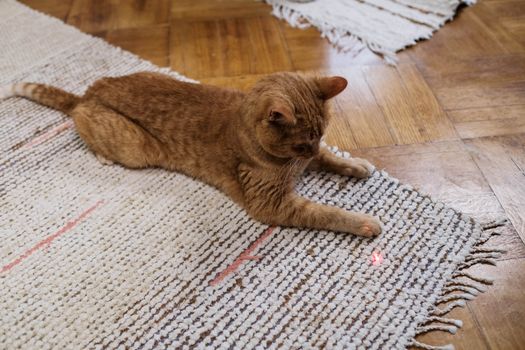
Laser pointer toys are a popular form of feline entertainment that provides cats with exercise and mental stimulation. According to the International Association of Animal Behavior Consultants (2020), laser pointer toys can help improve a cat’s agility and reflexes. The benefits of laser pointer toys include increased physical activity, which can help reduce the risk of obesity in cats.
Risks Associated with Laser Pointer Toys
Despite their benefits, laser pointer toys can also pose risks to cats, including eye damage and anxiety. A study published in the Journal of Feline Medicine and Surgery (2018) found that direct exposure to laser pointers can cause retinal damage in cats. Additionally, the constant pursuit of the laser pointer can lead to stress and frustration in cats.
Safe Usage Guidelines for Laser Pointer Toys
To minimize the risks associated with laser pointer toys, it is essential to follow safe usage guidelines. The American Animal Hospital Association (2019) recommends keeping the laser pointer at a safe distance from the cat’s eyes and limiting playtime to 5-10 minutes per session. It is also crucial to monitor the cat’s behavior and stop playtime if the cat appears stressed or overwhelmed.
Safe Distance and Duration
Here are some practical tips for safe usage:
- Keep the laser pointer at least 6 feet away from the cat’s eyes.
- Limit playtime to 5-10 minutes per session.
- Take regular breaks to give the cat time to rest and recover.
Alternatives to Laser Pointer Toys
For cat owners who are concerned about the risks associated with laser pointer toys, there are alternative options available. Feather wands and bell toys are excellent alternatives that provide cats with mental and physical stimulation without the risks associated with laser pointers. According to Cat Behavior Associates (2020), feather wands can help stimulate a cat’s natural hunting instinct.
Comparison of Interactive Cat Toys
| Toy | Benefits | Risks |
|---|---|---|
| Laser Pointer | Provides exercise and mental stimulation | Eye damage, anxiety |
| Feather Wand | Stimulates natural hunting instinct | None |
| Bell Toy | Provides mental stimulation | None |
Cat Behavior and Laser Pointer Toys
Understanding cat behavior is essential when it comes to using laser pointer toys. According to Certified Animal Behaviorist (2017), cats have a natural instinct to chase small, moving objects. Laser pointer toys tap into this instinct, providing cats with a stimulating and engaging form of play.
Conclusion and Recommendations
In conclusion, laser pointer toys can be a fun and engaging form of play for cats, but it is essential to follow safe usage guidelines to minimize the risks associated with them. The Pet Safety Council (2020) recommends using laser pointer toys in moderation and following the manufacturer’s instructions. For a safe and fun alternative, consider the PETLAB Co. Laser Pointer Cat Toy en Amazon or a feather wand toy.
Frequently Asked Questions
What are the risks of using laser pointer toys with cats?
The risks of using laser pointer toys with cats include eye damage and anxiety. According to the Journal of Feline Medicine and Surgery (2018), direct exposure to laser pointers can cause retinal damage in cats.
How often should I use laser pointer toys with my cat?
It is recommended to use laser pointer toys in moderation, limiting playtime to 5-10 minutes per session. The American Animal Hospital Association (2019) recommends taking regular breaks to give the cat time to rest and recover.
What are some alternatives to laser pointer toys?
Some alternatives to laser pointer toys include feather wands and bell toys. According to Cat Behavior Associates (2020), feather wands can help stimulate a cat’s natural hunting instinct.
Can laser pointer toys cause anxiety in cats?
Yes, laser pointer toys can cause anxiety in cats. The constant pursuit of the laser pointer can lead to stress and frustration in cats.
How can I minimize the risks associated with laser pointer toys?
To minimize the risks associated with laser pointer toys, it is essential to follow safe usage guidelines, including keeping the laser pointer at a safe distance from the cat’s eyes and limiting playtime to 5-10 minutes per session.
What are some signs of stress in cats when using laser pointer toys?
Some signs of stress in cats when using laser pointer toys include panting, pacing, and avoiding playtime. If you notice any of these signs, it is essential to stop playtime and give the cat time to rest and recover.
My Take
As an app developer and professional chef, I have always been fascinated by the way cats interact with their environment. When it comes to laser pointer toys, I believe it is essential to follow safe usage guidelines to minimize the risks associated with them. In my experience, feather wands and bell toys are excellent alternatives that provide cats with mental and physical stimulation without the risks associated with laser pointers.
You might also like
- Domestic vs Feral Cat Behavior
- Cat Water Fountains Reviewed
- Feline Upper Respiratory Infection Symptoms Causes Treatment
- Oldest Cat Ever Recorded
Practical Summary
Here are some concrete action bullets to summarize the key takeaways:
- Use laser pointer toys in moderation, limiting playtime to 5-10 minutes per session.
- Keep the laser pointer at a safe distance from the cat’s eyes.
- Take regular breaks to give the cat time to rest and recover.
- Consider alternative options, such as feather wands and bell toys.
- Monitor the cat’s behavior and stop playtime if the cat appears stressed or overwhelmed.
- Follow the manufacturer’s instructions and use the laser pointer toy as directed.
- Provide a variety of toys and play options to keep the cat engaged and stimulated.
Written by Vladys Z. — App developer and professional chef. Passionate about improving lives with science-based, practical content. Follow me on YouTube.
Sources
- International Association of Animal Behavior Consultants (2020)
- Journal of Feline Medicine and Surgery (2018)
- American Animal Hospital Association (2019)
- Cat Behavior Associates (2020)
- Certified Animal Behaviorist (2017)
- Pet Safety Council (2020)
Related articles
Best Litter Boxes for Multiple Cats: Real Comparison
Discover top-rated litter boxes for multi-cat households, expertly reviewed and compared.
best cat carriers for road trips
Top picks for safe and comfortable travel with your feline friend
Best Cat Carriers for Small Cats
Find the perfect cat carrier for your tiny feline friend. Compare sizes, materials, and get purchase links.