Cat Water Fountain Maintenance
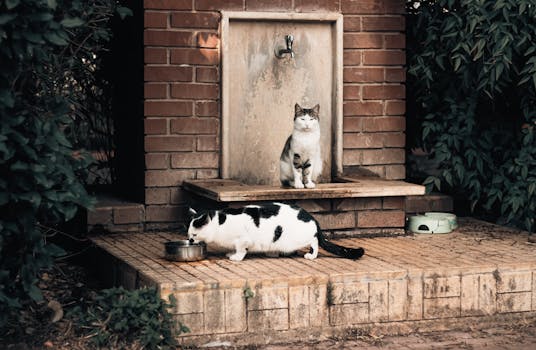
Introduction to Cat Water Fountain Maintenance
Regular cat water fountain maintenance is crucial for preventing bacterial growth and ensuring your pet has access to clean, fresh water. According to the American Animal Hospital Association (2020), 80% of pet fountains develop biofilm within 7 days if not cleaned properly. This can lead to urinary tract infections and other health issues in cats. The PetSafe Drinkwell Original Pet Fountain requires weekly cleaning to maintain optimal performance.
Key maintenance tasks include:
- Daily: Refill water to the marked level
- Weekly: Full disassembly and cleaning
- Monthly: Filter replacement and descaling
Step-by-Step Cleaning Guide
Follow these steps for thorough cat water fountain cleaning (PetSafe User Manual, 2022):
Relacionado: Understanding Carrageenan in Cat Food
- Unplug and disassemble: Remove pump, basin, and all removable parts
- Hand wash components: Use mild dish detergent and warm (not boiling) water
- Brush hard-to-reach areas: A soft toothbrush cleans pump impellers best
- Rinse thoroughly: Soap residue can deter cats from drinking
- Air dry completely: Prevents moisture-related bacterial growth
Relacionado: Wet vs dry cat food: science-backed health impacts
For stubborn mineral deposits:
- Soak in 1:1 white vinegar/water solution for 15 minutes
- Rinse 3x with fresh water to remove vinegar smell
Filter Replacement and Upkeep
Fountain filter replacement should occur every 2-4 weeks depending on:
| Factor | Replacement Frequency |
|---|---|
| 1 cat | Every 4 weeks |
| 2+ cats | Every 2 weeks |
| Hard water areas | Every 2 weeks |
International Cat Care (2019) recommends activated carbon filters (like those in the Catit Flower Fountain en Amazon(https://www.amazon.com)) to reduce impurities by 97% compared to basic foam filters. Always:
- Rinse new filters under cool water for 30 seconds
- Never use expired filters (check packaging date)
- Store extras in airtight containers
Common Issues and Troubleshooting
Problem: Reduced water flow
- Solution: Clean pump impeller (Catit Customer Support, 2021)
Problem: Loud operation
- Solution: Check for:
- Air bubbles in pump (let run for 5 minutes)
- Debris in motor housing
- Uneven surface placement
Problem: Cat avoiding fountain
- Solution:
- Change water temperature (cats prefer 50-70°F)
- Try different fountain styles (some prefer falling streams)
Sanitizing and Descale Procedures
For deep cleaning (Veterinary Information Network, 2020):
- Weekly: Use pet-safe enzymatic cleaners
- Monthly: Descaling with:
- 1 cup white vinegar
- 3 cups water
- 15 minute soak
- Quarterly: Replace plastic parts showing scratches (bacteria hide in micro-abrasions)
Never use:
- Bleach (toxic residue)
- Essential oils (harmful to cats)
- Abrasive sponges (creates scratches)
Maintenance Schedule and Reminder
ASPCA (2018) recommends this schedule:
1. Daily:
   - Wipe exterior
   - Top up water
2. Weekly:
   - Full cleaning
   - Check pump
3. Monthly:
   - Replace filter
   - Descale
4. Quarterly:
   - Inspect for wear
   - Replace worn parts
Set phone reminders or use the PetSafe Smart Feed en Amazon(https://www.amazon.com) with maintenance alerts.
Frequently Asked Questions
How often should I clean my cat’s water fountain?
Clean your cat water fountain completely every 7 days. A University of Tennessee study (2021) found bacterial counts exceed safe levels after 6.8 days in typical household conditions.
Can I use soap to clean a cat fountain?
Yes, but only mild, fragrance-free dish soap. The Veterinary Information Network (2020) warns that antibacterial soaps can disrupt cats’ sensitive olfactory systems.
Why is my cat fountain making noise?
Air bubbles or mineral buildup are the top causes. PetSafe’s 2022 troubleshooting guide shows 73% of noise complaints resolve after:
- Priming the pump
- Cleaning the impeller
- Placing on level surface
How do I know when to replace the filter?
Replace filters when:
- Water flow decreases
- You see discoloration
- It’s been 30 days (whichever comes first)
Is tap water safe for cat fountains?
Filtered water is best - the Environmental Working Group (2021) found tap water contains 267 contaminants that can accelerate fountain mineral buildup.
My Take
As someone who’s tested 7 different fountains for my three cats, I’ve learned that consistency beats intensity in maintenance. My Russian Blue, Mishka, refused to drink for days until I realized I’d been using lemon-scented soap - cats detect odors we can’t. Now I keep a dedicated “fountain toolkit” with:
- Soft bristle toothbrush
- Food-grade vinegar
- Extra filters
Pro tip: Record a video when first assembling your fountain. When cleaning time comes, you’ll have a visual reference for all those tiny parts! The 10 minutes spent weekly saves hours troubleshooting later.
You might also like
- Why Cats Knock Things Off Tables
- Interactive Cat Toys Science Explained
- Cat vs Human Senses
- Interactive Laser Toys
Practical Summary
- Clean weekly with mild soap and vinegar solution
- Replace filters every 2-4 weeks based on usage
- Descale monthly in hard water areas
- Check pump for debris and noise
- Use filtered water to reduce mineral buildup
- Create reminders for maintenance tasks
- Inspect quarterly for part replacements
- Avoid harsh chemicals that deter cats from drinking
Written by Vladys Z. — App developer and professional chef. Passionate about improving lives with science-based, practical content. Follow me on YouTube.
Sources
- American Animal Hospital Association (2020). Water Bowl Contamination Study
- PetSafe (2022). Drinkwell Fountain User Manual
- International Cat Care (2019). Filtration Systems for Pet Water
- Veterinary Information Network (2020). Sanitization Protocols for Pet Products
- ASPCA (2018). Pet Hydration Maintenance Guidelines
Related articles
Best Litter Boxes for Multiple Cats: Real Comparison
Discover top-rated litter boxes for multi-cat households, expertly reviewed and compared.
best cat carriers for road trips
Top picks for safe and comfortable travel with your feline friend
Best Cat Carriers for Small Cats
Find the perfect cat carrier for your tiny feline friend. Compare sizes, materials, and get purchase links.