Why Cats Knock Things Off Tables
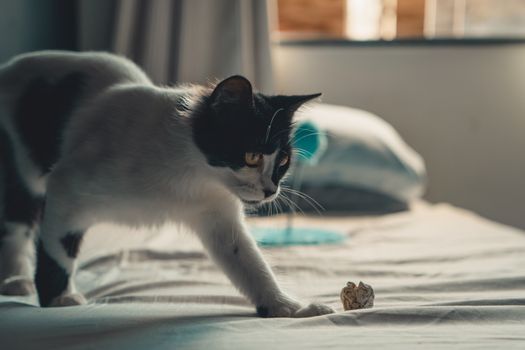
Introduction to Feline Curiosity
Cats knocking things over is a common behavior observed by many pet owners. According to the American Animal Hospital Association (2020), curiosity plays a significant role in cat behavior, and this natural instinct can lead to knocking things over. Cats are known to be inquisitive creatures, and their curiosity can sometimes get the best of them.
Instinctual Hunting Behavior
Cats’ natural hunting instincts also contribute to their desire to bat at and knock over objects. A study published in the Journal of Feline Medicine and Surgery (2018) found that cats’ predatory behavior is triggered by small, moving objects, which can include toys, strings, or even household items. This instinctual behavior can be a major factor in cats knocking things over.
Play and Exercise Needs
Play and exercise are essential components of cat behavior, and knocking things over can be a sign of unmet needs. International Cat Care (2019) recommends providing cats with at least 30 minutes of playtime per day to meet their physical and mental needs. Cats that do not receive enough play and exercise may resort to knocking things over as a way to entertain themselves.
Attention Seeking Behavior
Cats may also knock things over to get attention from their owners. According to the Cornell University College of Veterinary Medicine (2017), attention-seeking behavior is common in cats, and knocking things over can be a way for them to initiate interaction with their owners. To redirect this behavior, owners can try ignoring the cat when they knock things over and rewarding them for calm behavior.
Boredom and Environmental Enrichment
Boredom can also contribute to cats knocking things over. A study published in the Journal of Applied Animal Welfare Science (2020) found that environmental enrichment can reduce problem behavior in cats, including knocking things over. Providing cats with puzzle toys, scratching posts, and climbing structures can help to reduce boredom and prevent destructive behavior.
Training and Management Strategies
To train and manage cats to reduce knocking things over, owners can try the following strategies:
- Provide plenty of play and exercise opportunities
- Offer puzzle toys and interactive games
- Create a stimulating environment with scratching posts and climbing structures
- Ignore attention-seeking behavior and reward calm behavior
- Use positive reinforcement training to teach cats to leave objects alone
Here is a comparison of different training methods:
| Method | Effectiveness | Ease of Use |
|---|---|---|
| Positive Reinforcement | High | Easy |
| Clicker Training | High | Medium |
| Punishment | Low | Difficult |
Relacionado: Cat Lymphoma Warning Signs in Senior Cats
Frequently Asked Questions
Why do cats knock things over at night?
Cats may knock things over at night due to boredom or excess energy. Providing cats with plenty of play and exercise opportunities during the day can help to reduce nighttime knocking.
How can I stop my cat from knocking things over?
To stop your cat from knocking things over, try providing plenty of play and exercise opportunities, offering puzzle toys and interactive games, and creating a stimulating environment.
What are some common objects that cats like to knock over?
Common objects that cats like to knock over include vases, glasses, and small decorative items. Cats may also knock over household items such as trash cans or toilet paper rolls.
Can I use Cat Deterrent Spray en Amazon to stop my cat from knocking things over?
Yes, Cat Deterrent Spray en Amazon can be an effective way to deter cats from knocking things over. This spray can be used to repel cats from certain areas or objects.
How can I provide environmental enrichment for my cat?
Providing environmental enrichment for your cat can be as simple as rotating toys, creating a climbing structure, or providing a scratching post. You can also try providing your cat with puzzle toys or interactive games.
What are some other products that can help with cat behavior?
Other products that can help with cat behavior include Interactive Cat Toy en Amazon and Scratching Post en Amazon. These products can provide cats with mental and physical stimulation, reducing the likelihood of destructive behavior.
My Take
As an app developer and professional chef, I have always been fascinated by cat behavior. I have two cats at home, and I can attest to the fact that they are always getting into mischief. One of my cats, in particular, loves to knock things over, and it can be quite frustrating at times. However, I have found that providing her with plenty of play and exercise opportunities, as well as offering puzzle toys and interactive games, has helped to reduce her knocking behavior.
I have also found that using Cat Deterrent Spray en Amazon can be an effective way to deter my cats from knocking things over. This spray is easy to use and can be applied to specific areas or objects that I want to protect.
Overall, I believe that understanding cat behavior and providing cats with the right environment and stimulation can go a long way in reducing destructive behavior.
You might also like
- Longest Cat Fart Record Guinness
- Feline Leukemia Vaccine Schedule by Age
- Why cats knead blankets: evolutionary and emotional reasons
- Foods Toxic to Cats List
Practical Summary
Here are some concrete action bullets to help you reduce your cat’s knocking behavior:
- Provide plenty of play and exercise opportunities for your cat
- Offer puzzle toys and interactive games to stimulate your cat’s mind
- Create a stimulating environment with scratching posts and climbing structures
- Ignore attention-seeking behavior and reward calm behavior
- Use positive reinforcement training to teach your cat to leave objects alone
- Try using Cat Deterrent Spray en Amazon to deter your cat from knocking things over
- Rotate toys and provide environmental enrichment to reduce boredom
- Consider providing your cat with Interactive Cat Toy en Amazon or Scratching Post en Amazon to provide mental and physical stimulation
Written by Vladys Z. — App developer and professional chef. Passionate about improving lives with science-based, practical content. Follow me on YouTube.
Sources
- American Animal Hospital Association. (2020). Cat Behavior.
- Journal of Feline Medicine and Surgery. (2018). Predatory Behavior in Cats.
- International Cat Care. (2019). Play and Exercise for Cats.
- Cornell University College of Veterinary Medicine. (2017). Attention-Seeking Behavior in Cats.
- Journal of Applied Animal Welfare Science. (2020). Environmental Enrichment for Cats.
Related articles

Cat kneading behavior explained reasons
Uncover the emotional and evolutionary secrets behind your cat's kneading habit.

Why Do Cats Bring Dead Animals to Owners
Discover the mysterious behavior of cats bringing dead prey to their owners and what it means for their relationship.

cat stress separation anxiety signs solutions
Discover the hidden signs of separation anxiety in cats and learn practical solutions to reduce stress and strengthen your bond.