Essential Vaccines for Indoor Cats
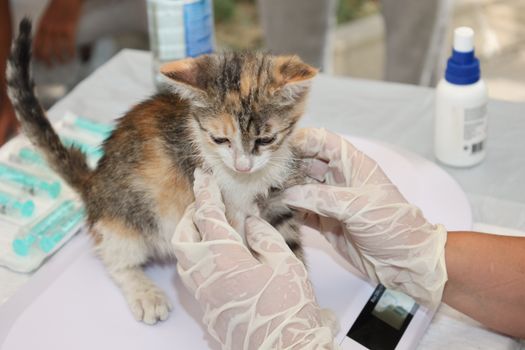
Vaccines Recommended for Indoor Cats
The essential vaccines for indoor cats include core vaccines such as rabies, distemper, and upper respiratory viruses, as recommended by the American Veterinary Medical Association (AVMA). According to the AVMA Vaccination Guidelines for Dogs, Cats, and Ferrets (2020), these core vaccines are crucial for protecting indoor cats from life-threatening diseases. For example, a study by the Centers for Disease Control and Prevention (CDC) found that rabies is almost always fatal if left untreated.
When to Vaccinate Indoor Cats
The recommended vaccination schedule for indoor cats starts at 6-8 weeks of age, with booster shots given every 3-4 weeks until the cat is 16-17 weeks old, as per the American Animal Hospital Association (AAHA) Vaccination Guidelines (2019). It’s essential to follow this schedule to ensure your cat is fully protected against diseases. Here are the vaccination milestones:
- Initial vaccination: 6-8 weeks old
- First booster: 10-12 weeks old
- Second booster: 14-16 weeks old
Why Vaccinate Indoor Cats
Vaccinating indoor cats is crucial, even if they don’t go outside, as they can still be exposed to diseases through other pets or wildlife. The World Health Organization (WHO) emphasizes the importance of maintaining herd immunity to prevent the spread of diseases. According to a study published in the Journal of Feline Medicine and Surgery (2018), upper respiratory viruses can be transmitted through indirect contact, making vaccination a necessary precaution.
Vaccination Exemptions for Indoor Cats
In some cases, an indoor cat may be exempt from vaccination, such as if they have a prior vaccination history or a veterinarian’s medical exemption. The AVMA Vaccination Guidelines for Dogs, Cats, and Ferrets (2020) provide guidance on exemption criteria. It’s essential to consult with a veterinarian to determine the best course of action for your cat.
Combination Vaccines for Indoor Cats
Combination vaccines, which protect against multiple diseases simultaneously, can be beneficial for indoor cats. The World Small Animal Veterinary Association (WSAVA) recommends using combination vaccines to reduce the number of injections and minimize the risk of adverse reactions. Here are some benefits and risks to consider:
| Vaccine Type | Benefits | Risks |
|---|---|---|
| Combination | Reduced injections, convenient | Increased risk of adverse reactions |
| Single | Lower risk of adverse reactions | More injections required |
Consulting with a Veterinarian
Consulting with a veterinarian is crucial to determine the best vaccination schedule for your indoor cat. Factors such as age, health status, and lifestyle should be taken into account. The American Veterinary Medical Association (AVMA) recommends working with a veterinarian to develop a personalized vaccination plan.
Frequently Asked Questions
What are the core vaccines for indoor cats?
The core vaccines for indoor cats include rabies, distemper, and upper respiratory viruses. These vaccines are essential for protecting your cat from life-threatening diseases.
How often should I vaccinate my indoor cat?
The recommended vaccination schedule starts at 6-8 weeks of age, with booster shots given every 3-4 weeks until the cat is 16-17 weeks old.
Can I use combination vaccines for my indoor cat?
Yes, combination vaccines can be beneficial for indoor cats, but it’s essential to consult with a veterinarian to determine the best course of action.
What is the risk of not vaccinating my indoor cat?
The risk of not vaccinating your indoor cat includes the potential for disease transmission from other pets or wildlife, which can be life-threatening.
How much do vaccines cost for indoor cats?
The cost of vaccines for indoor cats varies depending on the type of vaccine and the veterinarian. On average, the cost can range from $50 to $100 per vaccine.
What is the best way to care for my indoor cat after vaccination?
After vaccination, it’s essential to monitor your cat for any adverse reactions and provide a comfortable and safe environment.
My Take
As an app developer and professional chef, I understand the importance of taking care of our pets. Vaccinating our indoor cats is a crucial step in ensuring their health and well-being. I recommend working with a veterinarian to develop a personalized vaccination plan and using combination vaccines to reduce the number of injections.
You might also like
- Diabetes Symptoms in Cats: Causes, Diagnosis, and Treatment
- Catnip Sensitivity and Its Effects on Feline Behavior
- Wet vs Dry Food Cats: Veterinary Science
- Sterilized Cat Diet Needs
Practical Summary
Here are some concrete actions to take:
- Consult with a veterinarian to determine the best vaccination schedule for your indoor cat
- Use combination vaccines to reduce the number of injections
- Monitor your cat for any adverse reactions after vaccination
- Provide a comfortable and safe environment for your cat
- Consider using the Zoetis PureVax Rabies Vaccine for your cat’s rabies vaccination
- Follow the recommended vaccination schedule to ensure your cat is fully protected against diseases
- Keep your cat indoors to minimize the risk of disease transmission
- Consider using Hill’s Science Diet Indoor Cat Food en Amazon(https://www.amazon.com) to provide a balanced diet for your cat
Written by Vladys Z. — App developer and professional chef. Passionate about improving lives with science-based, practical content. Follow me on YouTube.
Sources
- American Veterinary Medical Association (AVMA). (2020). Vaccination Guidelines for Dogs, Cats, and Ferrets
- American Animal Hospital Association (AAHA). (2019). Vaccination Guidelines
- Centers for Disease Control and Prevention (CDC). (2020). Rabies Prevention
- World Small Animal Veterinary Association (WSAVA). (2018). Vaccination Guidelines
- Journal of Feline Medicine and Surgery. (2018). Upper Respiratory Viruses in Cats
Related articles

cat ear mites warning signs
Do you know the 5 hidden symptoms of ear mites in cats?
Cat Lifespan Factors
Discover how genetics, lifestyle, and care impact your cat's lifespan
Feline Hyperthyroidism Warning Signs
Don't miss these crucial symptoms of feline hyperthyroidism