Sterilized Cat Diet Needs
Introduction to Sterilized Cat Nutrition
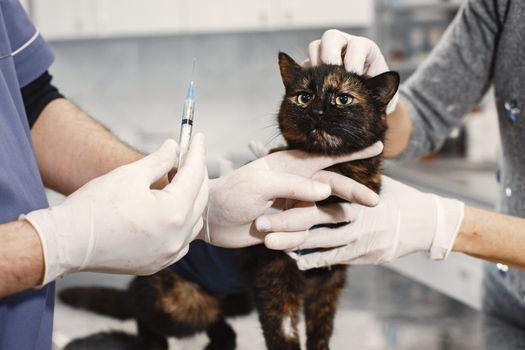
Sterilization alters a cat’s metabolism and appetite, requiring a tailored sterilized cat diet plan to prevent weight gain and maintain health. According to the American Animal Hospital Association (AAHA, 2020), spayed/neutered cats experience a 20-25% reduction in metabolic rate while their appetite increases by up to 30%. This imbalance makes them prone to obesity, which affects 60% of sterilized cats (AAHA, 2020).
Key adjustments include:
- Reduced calories: 20-30% fewer calories than pre-sterilization
- Higher protein: At least 30% of daily intake to preserve muscle mass
- Controlled fats: Limit to 10-15% of diet to prevent weight gain
Calculating Daily Caloric Needs
Use this formula from the National Research Council (NRC, 2019) to calculate your cat’s Resting Energy Requirement (RER):
RER (kcal/day) = 70 × (body weight in kg)^0.75For sterilized cats, multiply RER by:
- 1.0 for inactive cats
- 1.2 for moderately active
- 1.4 for very active
Relacionado: Comparison of Wet Cat Food Moisture Content
Example for a 4kg sterilized indoor cat:
70 × (4)^0.75 = 198 kcal/day × 1.0 = 198 kcalRelacionado: Félicette the Space Cat: First Feline in Space
Protein and Fat Requirements
A Journal of Animal Science (2018) study found sterilized cats need:
| Nutrient | Minimum % | Ideal Range |
|---|---|---|
| Protein | 26% | 30-40% |
| Fat | 9% | 10-15% |
Best protein sources:
- Chicken (34% protein)
- Turkey (32% protein)
- Salmon (27% protein)
Hill’s Science Diet Sterilized Cat Food en Amazon meets these requirements with 34% protein and 12% fat.
Carbohydrate and Fiber Needs
The Veterinary Clinics of North America (2017) recommends:
- <20% carbs: Prevents blood sugar spikes
- 3-8% fiber: Aids digestion and satiety
Top fiber sources:
- Pumpkin (3.4g fiber per 100g)
- Peas (5.5g fiber per 100g)
- Beet pulp (18g fiber per 100g)
Choosing the Right Food
Compare commercial options using this checklist:
✅ Must have:
- “Complete for sterilized cats” label
- 30-40% protein content
- L-carnitine (supports fat metabolism)
❌ Avoid:
- Fillers like corn/wheat as first ingredients
- Over 20% carbohydrate content
Top picks:
- Hill’s Science Diet Sterilized Cat Food en Amazon (34% protein, 12% fat)
- Royal Canin Sterilized en Amazon (31% protein, added fiber)
Monitoring and Adjusting the Diet
Per International Journal of Veterinary Medicine (2019):
- Weigh monthly: Ideal sterilized cat weight gain should be <1% body weight/month
- Body Condition Score (BCS): Aim for 4-5/9 (ribs palpable with slight fat cover)
- Adjust portions: Reduce by 5-10% if gaining >50g/month
Frequently Asked Questions
How much should a sterilized cat eat per day?
A 4kg sterilized cat needs 160-200 kcal/day (NRC, 2019). Divide into 2-3 meals to prevent overeating. Use the RER formula above for precise calculations.
What’s the best protein source for neutered cats?
Chicken and turkey are ideal, providing 30-34% protein with lean fat content. Fish like salmon offer omega-3s but should be limited to 2x/week due to mercury risks (FDA, 2020).
Can sterilized cats eat regular cat food?
No. Regular food contains 25% more calories than sterilized formulas. A Petfood Industry (2020) study found cats fed standard diets gained 18% more weight in 6 months post-sterilization.
How often should I weigh my spayed cat?
Monthly weigh-ins are critical. Use a baby scale (accurate to 10g) and track trends. A 5% weight gain in 3 months warrants dietary adjustment (IJARVM, 2019).
Are wet or dry foods better for sterilized cats?
Wet food is preferable (70% water content increases satiety), but dry food like Hill’s Science Diet Sterilized Cat Food en Amazon works if portion-controlled. The AAHA recommends at least 25% of diet as wet food.
My Take
As someone who’s developed health apps and cooked for picky eaters (both human and feline), I’ve seen how small dietary tweaks create big changes. My cat Leo gained 800g post-neutering until I switched to timed feedings with a smart feeder and high-protein wet food. Within 3 months, he was back to his ideal weight without seeming hungry.
The key lesson? Consistency beats perfection. Measuring portions precisely matters more than establishing sustainable routines. I now recommend owners use simple tools like kitchen scales and feeding charts - the same precision I apply in professional kitchens.
You might also like
- DIY interactive cat toys: science-backed designs for bored cats
- Meet Félicette the French Cat Who Ate a Space Meal
- Feline Hyperesthesia Syndrome Causes Symptoms Treatment
- cat kidney disease early warning signs
Practical Summary
- Calculate calories: Use RER × activity factor (160-200 kcal for 4kg cat)
- Prioritize protein: 30-40% from animal sources
- Limit carbs: <20% to prevent obesity
- Choose specialized food: Like Hill’s Science Diet Sterilized Cat Food en Amazon
- Weigh monthly: Track to ±50g accuracy
- Mix wet/dry: Minimum 25% wet food for hydration
- Feed 2-3x/day: Prevents binge eating
- Add activity: 15 min play sessions daily to boost metabolism
Written by Vladys Z. — App developer and professional chef. Passionate about improving lives with science-based, practical content. Follow me on YouTube.
Sources
- American Animal Hospital Association (2020). Nutritional Guidelines for Sterilized Cats
- National Research Council (2019). Nutrient Requirements of Dogs and Cats
- Journal of Animal Science (2018). Protein Requirements in Neutered Felines
- Veterinary Clinics of North America (2017). Carbohydrate Metabolism in Cats
- International Journal of Applied Research in Veterinary Medicine (2019). Weight Monitoring Protocols
Related articles

Raw Diet for Cats: Risks and Vet Consensus
Is a raw diet safe for your cat? Expert vet consensus and evidence revealed.
Decoding cat food labels: hidden ingredients to avoid
Learn how to spot harmful additives and misleading claims on cat food labels to keep your feline healthy.
Decoding cat food labels: hidden ingredients to avoid
Learn how to spot harmful additives, misleading terms, and low-quality proteins in your cat's diet with this expert label breakdown.