Decoding cat food labels: hidden ingredients to avoid
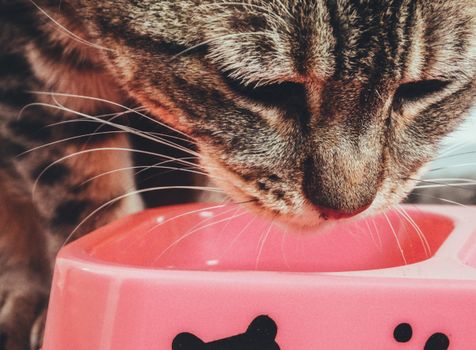
Introduction to Reading Cat Food Labels
When it comes to reading cat food labels, it’s essential to understand what you’re looking for to ensure your feline friend is getting the best nutrition possible. According to the American Animal Hospital Association, a well-balanced diet is crucial for maintaining your cat’s overall health. The AAFCO Pet Food Labeling Guidelines 2023 provide a comprehensive guide to understanding cat food labels.
The 3 Most Deceptive Marketing Terms
Manufacturers often use terms like ‘natural flavors’, ‘with real meat’, and ‘grain-free’ to make their products sound more appealing. However, these terms can be misleading. For example, ‘natural flavors’ can refer to anything from animal digest to yeast extract. ‘With real meat’ doesn’t necessarily mean the product contains a significant amount of meat, and ‘grain-free’ doesn’t guarantee the product is low in carbohydrates. According to the AAFCO Pet Food Labeling Guidelines 2023, these terms are often used to exploit consumer perceptions.
Meat Meal vs. By-Products
When comparing meat meal and by-products, it’s essential to understand the difference. Meat meal refers to the rendered product from animal tissues, excluding blood, hair, hooves, and other non-meat materials. By-products, on the other hand, can include a wide range of ingredients, including organs, bones, and other tissues. A study by the Tufts University Clinical Nutrition Service 2022 found that high-quality animal protein sources are essential for maintaining your cat’s health.
| Ingredient | Description | Quality |
|---|---|---|
| Chicken Meal | Rendered chicken tissue | High |
| Meat By-Products | Organs, bones, and other tissues | Low |
Relacionado: Stress in Senior Cats Signs and Solutions
The Preservative Red List
Some preservatives used in cat food have been linked to feline health issues. BHA, BHT, ethoxyquin, propylene glycol, and carrageenan are all preservatives that have been associated with health problems. According to the Journal of Feline Medicine and Surgery 2021, these preservatives can cause a range of health issues, from skin problems to digestive issues.
Carbohydrate Percentages
Calculating the carbohydrate percentage in your cat’s food can be tricky. The WSAVA Global Nutrition Guidelines 2020 recommend using the following formula: (100 - % protein - % fat - % moisture) = % carbohydrates. This will give you an approximate idea of the carbohydrate content in your cat’s food.
Decoding the Guaranteed Analysis
The guaranteed analysis on your cat’s food label can be misleading. The minimum and maximum values listed are not always accurate, and the moisture content can significantly affect the nutritional content. According to the FDA Pet Food Labeling Requirements 2023, it’s essential to understand how to interpret these values.
The Expiration Date Trick
The expiration date on your cat’s food can be misleading. Vitamin degradation can occur over time, and storage conditions can affect the nutritional content. A study by the AVMA Food Storage Study 2022 found that proper storage is essential for maintaining the nutritional content of your cat’s food.
Frequently Asked Questions
What is the best way to read cat food labels?
The best way to read cat food labels is to look for high-quality protein sources, low carbohydrate content, and minimal preservatives. According to the World Health Organization, a well-balanced diet is essential for maintaining your cat’s overall health.
How do I choose healthy cat food?
Choosing healthy cat food involves reading cat food labels carefully and looking for high-quality ingredients. According to the Mayo Clinic, a balanced diet is crucial for maintaining your cat’s health.
What are the most common cat food allergens?
The most common cat food allergens are beef, dairy, and soy. According to the Journal of Feline Medicine and Surgery 2021, these ingredients can cause a range of health issues, from skin problems to digestive issues.
Can I make my own cat food?
Making your own cat food can be a good option, but it’s essential to ensure you’re providing a balanced diet. According to the American Animal Hospital Association, a well-balanced diet is crucial for maintaining your cat’s overall health.
What is the best cat food for indoor cats?
The best cat food for indoor cats is one that is high in protein and low in carbohydrates. According to the Tufts University Clinical Nutrition Service 2022, indoor cats require a diet that is tailored to their specific needs.
How often should I feed my cat?
The frequency of feeding your cat depends on their age, size, and activity level. According to the FDA Pet Food Labeling Requirements 2023, it’s essential to follow the feeding guidelines on your cat’s food label.
My Take
As an app developer and professional chef, I understand the importance of reading cat food labels. My own cat, Luna, has food sensitivities, and I’ve had to navigate the complex world of cat food labels to find the best diet for her. I’ve learned that high-quality protein sources and minimal preservatives are essential for maintaining her health.
I’ve also learned that making my own cat food can be a good option, but it’s essential to ensure I’m providing a balanced diet. I use a combination of PureBites Freeze-Dried Cat Treats and other clean ingredient products to ensure Luna is getting the nutrients she needs.
You might also like
- indoor vs outdoor cat lifespan research data
- Cat Vision vs Human
- Dental Abscesses in Cats Symptoms and Treatment
- Wet vs Dry Food for Cats: Veterinary Science Studies
Practical Summary
- Read cat food labels carefully to ensure you’re providing a balanced diet
- Look for high-quality protein sources and minimal preservatives
- Consider making your own cat food, but ensure you’re providing a balanced diet
- Feed your cat according to their age, size, and activity level
- Use a combination of high-quality products, such as PureBites Freeze-Dried Cat Treats en Amazon and other clean ingredient products
- Consult with your veterinarian to determine the best diet for your cat
- Always follow the feeding guidelines on your cat’s food label
- Store your cat’s food properly to maintain its nutritional content
Written by Vladys Z. — App developer and professional chef. Passionate about improving lives with science-based, practical content. Follow me on YouTube.
Sources
- AAFCO Pet Food Labeling Guidelines 2023
- Tufts University Clinical Nutrition Service 2022
- Journal of Feline Medicine and Surgery 2021
- WSAVA Global Nutrition Guidelines 2020
- FDA Pet Food Labeling Requirements 2023
- AVMA Food Storage Study 2022
Related articles
Raw Diet for Cats: Risks and Vet Consensus
Is a raw diet safe for your cat? Expert vet consensus and evidence revealed.
Decoding cat food labels: hidden ingredients to avoid
Learn how to spot harmful additives and misleading claims on cat food labels to keep your feline healthy.
Foods Toxic to Cats ASPCA List
Discover the 10 most toxic foods to cats and keep them safe