Foods Toxic to Cats ASPCA List
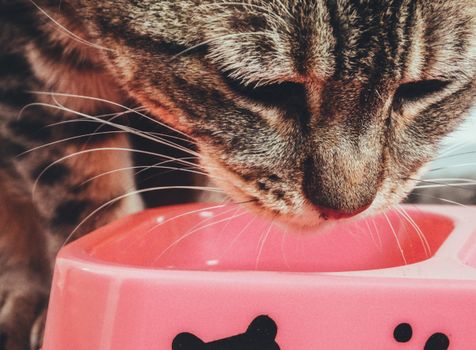
Introduction to Foods Toxic to Cats
The foods toxic to cats ASPCA list is a crucial resource for cat owners, highlighting the dangers of common household foods. According to the ASPCA, chocolate, grapes, and onions are among the top toxic foods for cats. A study by the Journal of Veterinary Internal Medicine (2018) found that grape and raisin toxicity in cats can cause kidney failure.
Top 10 Most Toxic Foods to Cats
The ASPCA’s toxicity level ranking includes:
- Chocolate: contains theobromine, which can cause vomiting, diarrhea, and increased heart rate.
- Grapes: can cause kidney failure in cats, with even small amounts being toxic.
- Onions: contain N-propyl disulfide, which can damage a cat’s red blood cells.
- Macadamia nuts: can cause weakness, depression, and vomiting in cats.
- Yeast dough: can expand in a cat’s stomach, causing pain and discomfort.
- Xylitol: a sugar substitute that can cause low blood sugar and liver failure in cats.
- Caffeine: can cause vomiting, diarrhea, and increased heart rate in cats.
- Raw or undercooked meat: can contain bacteria like Salmonella and E. coli.
- Bones: can cause obstruction or splintering in a cat’s digestive tract.
- Avocado: can cause vomiting and diarrhea in cats, although the pit and skin are more toxic than the flesh.
Why Grapes and Raisins are Toxic to Cats
The exact mechanism of grape and raisin toxicity in cats is unknown, but it’s believed to be related to the tartaric acid content. A study by the Journal of Veterinary Internal Medicine (2018) found that even small amounts of grapes or raisins can cause kidney failure in cats.
How to Identify Signs of Food Poisoning in Cats
Common signs of food poisoning in cats include:
- Vomiting
- Diarrhea
- Lethargy
- Loss of appetite
- Abdominal pain If you suspect your cat has ingested a toxic food, contact your vet immediately.
Treatment and Prevention of Food Toxicity in Cats
Treatment options for food toxicity in cats include:
- Activated charcoal: to absorb the toxin
- Supportive care: such as fluid therapy and medication to manage symptoms
- Dietary changes: to prevent future incidents Prevention strategies include keeping toxic foods out of reach and monitoring your cat’s food intake.
Common Household Foods That are Toxic to Cats
In addition to the top 10 list, other common household foods that are toxic to cats include:
- Baked goods: containing chocolate or xylitol
- Candy: containing xylitol or caffeine
- Spices: such as onions or garlic
What to Do in Case of a Food Poisoning Emergency
If you suspect your cat has ingested a toxic food, follow these steps:
- Contact your vet: immediately
- Provide information: about the suspected toxic food and the amount ingested
- Follow instructions: from your vet, such as administering activated charcoal or seeking immediate veterinary care
Frequently Asked Questions
What are the most toxic foods for cats?
The most toxic foods for cats include chocolate, grapes, and onions. According to the ASPCA, these foods can cause vomiting, diarrhea, and kidney failure in cats.
How can I prevent food toxicity in my cat?
To prevent food toxicity in your cat, keep toxic foods out of reach and monitor your cat’s food intake. You can also consider feeding a balanced diet such as Purina Pro Plan Veterinary Diets EN Gastroenteric Feline Formula.
What are the signs of food poisoning in cats?
Common signs of food poisoning in cats include vomiting, diarrhea, lethargy, and loss of appetite. If you suspect your cat has ingested a toxic food, contact your vet immediately.
Can I give my cat treats?
Yes, but choose cat-safe treats and avoid giving your cat human food. Consider treats specifically formulated for cats, such as Greenies Dental Chews.
How can I keep my cat safe from toxic foods?
To keep your cat safe from toxic foods, store them in a secure location and monitor your cat’s food intake. You can also consider using a cat-proof container to store toxic foods.
What is the best food for my cat?
The best food for your cat depends on their individual needs and health status. Consult with your vet to determine the best balanced diet for your cat.
My Take
As a professional chef and app developer, I understand the importance of balanced nutrition for cats. In my experience, feeding a high-quality commercial diet such as Purina Pro Plan Veterinary Diets EN Gastroenteric Feline Formula can help prevent food toxicity in cats. I also recommend keeping toxic foods out of reach and monitoring your cat’s food intake to prevent accidents.
You might also like
- Feline Hyperthyroidism Symptoms
- Blue Buffalo vs Merrick Cat Food Comparison
- Cats See Ultraviolet Light Benefits
- Wet vs Dry Cat Food: Veterinary Science
Practical Summary
To keep your cat safe from toxic foods, follow these steps:
- Keep toxic foods out of reach
- Monitor your cat’s food intake
- Feed a balanced diet such as Purina Pro Plan Veterinary Diets EN Gastroenteric Feline Formula
- Avoid giving your cat human food
- Consider using a cat-proof container to store toxic foods
- Consult with your vet to determine the best balanced diet for your cat
- Keep the ASPCA hotline number handy in case of an emergency: (888) 426-4435
Written by Vladys Z. — App developer and professional chef. Passionate about improving lives with science-based, practical content. Follow me on YouTube.
Sources
- ASPCA (2020) - Toxic and Non-Toxic Plant List
- Journal of Veterinary Internal Medicine (2018) - Grape and Raisin Toxicity in Cats
- Veterinary Clinics: Small Animal Practice (2015) - Food Poisoning in Cats
- American Animal Hospital Association (2019) - Food Toxicity in Cats
- American Society for the Prevention of Cruelty to Animals (2019) - Emergency Procedures for Food Poisoning in Cats
Related articles
Compare Hill's Science Diet vs Royal Canin Cat Food
Which high-end cat food brand offers the best nutrition? Find out the protein, ash, and ingredient differences.
Wet vs Dry Cat Food: Studies on Kidney Health
Is your cat's diet harming their kidneys? We explore the science behind wet vs dry cat food.
Sterilized Cat Caloric Needs Diet
Discover the perfect diet for your sterilized cat, based on real caloric needs.