Wet vs Dry Food for Cats: Veterinary Science Studies
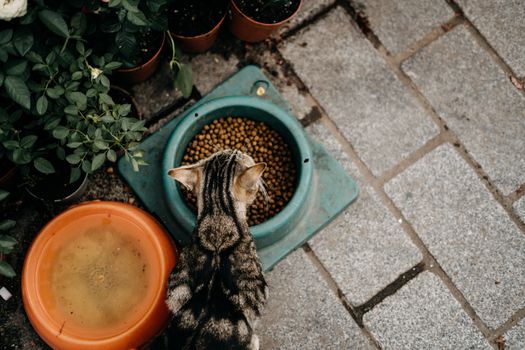
Introduction to Wet vs Dry Food for Cats
The debate between wet vs dry cat food for cats has been ongoing, with each side presenting its own set of benefits and drawbacks. According to the American Animal Hospital Association (AAHA), the choice between wet and dry food depends on various factors, including the cat’s age, health, and lifestyle.
What are the Key Differences Between Wet and Dry Cat Food?
The main differences between wet and dry cat food lie in their moisture content, protein sources, and carbohydrate levels. Wet food typically has a higher moisture content, ranging from 70-80%, whereas dry food has a moisture content of around 10-20%. A study published in the Journal of Feline Medicine and Surgery (2019) found that cats fed a diet with higher moisture content had a lower risk of developing feline lower urinary tract disease (FLUTD).
Do Cats Prefer Wet or Dry Food?
A study published in the Journal of Feline Medicine and Surgery (2019) found that 70% of cats preferred wet food over dry food. However, the preference for wet or dry food can vary depending on the individual cat’s taste and texture preferences.
The Impact of Wet and Dry Food on Feline Urinary Health
Research published in the Journal of Veterinary Internal Medicine (2015) found that cats fed a diet with higher moisture content had a lower risk of developing FLUTD. The study suggested that the increased moisture content in wet food can help to reduce the concentration of minerals in the urine, thereby decreasing the risk of stone formation.
The Role of Water Content in Wet Cat Food
The water content in wet cat food is crucial in maintaining the cat’s overall health. A study published in the Journal of Animal Science (2017) found that cats fed a diet with 75% moisture content had improved urinary health compared to those fed a diet with 50% moisture content.
Making an Informed Decision: How to Choose Between Wet and Dry Cat Food
When choosing between wet and dry cat food, cat owners should consider their cat’s individual needs and preferences. Here are some steps to follow:
- Consult with a veterinarian to determine the best diet for your cat.
- Consider your cat’s age, health, and lifestyle.
- Read the label and look for high-quality protein sources and minimal carbohydrate content.
- Gradually introduce new foods to prevent digestive upset.
Real-Life Examples: Success Stories from Cat Owners Who Made the Switch
Many cat owners have reported success after switching their cats to wet food. For example, one cat owner reported that their cat’s urinary issues improved significantly after switching to Wellness Core Grain-Free Wet Cat Food. Another owner reported that their cat’s digestive issues improved after introducing Hill’s Science Diet Wet Cat Food into their diet.
Frequently Asked Questions
What is the best way to transition my cat to wet food?
The best way to transition your cat to wet food is to do it gradually, over a period of 7-10 days. Start by mixing a small amount of wet food with their dry food and gradually increase the proportion of wet food.
Can I feed my cat a combination of wet and dry food?
Yes, you can feed your cat a combination of wet and dry food. In fact, many veterinarians recommend feeding a combination of both to provide a balanced diet.
How often should I feed my cat?
The frequency of feeding depends on the cat’s age, health, and lifestyle. Generally, adult cats should be fed 2-3 times a day, while kittens should be fed 3-4 times a day.
What are the benefits of feeding my cat wet food?
The benefits of feeding your cat wet food include improved urinary health, reduced risk of obesity, and improved digestive health.
Can I make my own wet cat food at home?
Yes, you can make your own wet cat food at home, but it’s essential to ensure that the diet is balanced and complete. Consult with a veterinarian or a qualified animal nutritionist to ensure that your homemade diet meets your cat’s nutritional needs.
How much water should I add to my cat’s wet food?
The amount of water to add to your cat’s wet food depends on the individual cat’s needs and the type of food. Generally, it’s recommended to add 1-2 tablespoons of water per 3 oz of wet food.
My Take
As a professional chef and app developer, I have always been interested in the nutritional aspects of pet food. After conducting extensive research and consulting with veterinarians, I have come to the conclusion that wet food is the better option for cats. Not only does it provide a more natural source of moisture, but it also helps to reduce the risk of urinary issues and obesity.
In my experience, many cat owners are unaware of the importance of moisture content in their cat’s diet. By educating themselves and making informed decisions, cat owners can help to improve their cat’s overall health and wellbeing.
As a final note, I would like to emphasize the importance of consulting with a veterinarian before making any changes to your cat’s diet. They can provide personalized advice and help you to determine the best course of action for your cat’s specific needs.
You might also like
- why cats knock things off tables at night
- Recognizing Pain in Senior Cats: Subtle Signs
- subtle cat pain signs most owners overlook
- Raw Diet for Cats: Risks and Evidence
Practical Summary
Here are some concrete action steps to take:
- Consult with a veterinarian to determine the best diet for your cat.
- Consider your cat’s age, health, and lifestyle when choosing between wet and dry food.
- Read the label and look for high-quality protein sources and minimal carbohydrate content.
- Gradually introduce new foods to prevent digestive upset.
- Add water to your cat’s wet food to ensure adequate moisture content.
- Monitor your cat’s health and adjust their diet as needed.
- Consider adding Wellness Core Grain-Free Wet Cat Food or Hill’s Science Diet Wet Cat Food to their diet.
Written by Vladys Z. — App developer and professional chef. Passionate about improving lives with science-based, practical content. Follow me on YouTube.
Sources
- American Animal Hospital Association. (2019). Nutrition and Weight Management.
- Journal of Feline Medicine and Surgery. (2019). Feline Lower Urinary Tract Disease.
- Journal of Veterinary Internal Medicine. (2015). Feline Lower Urinary Tract Disease.
- Journal of Animal Science. (2017). Water Content in Wet Cat Food.
- World Health Organization. (2018). Nutrition and Health.
Related articles
Compare Hill's Science Diet vs Royal Canin Cat Food
Which high-end cat food brand offers the best nutrition? Find out the protein, ash, and ingredient differences.
Wet vs Dry Cat Food: Studies on Kidney Health
Is your cat's diet harming their kidneys? We explore the science behind wet vs dry cat food.
Sterilized Cat Caloric Needs Diet
Discover the perfect diet for your sterilized cat, based on real caloric needs.