Raw Diet for Cats: Evidence, Risks, and Vet Consensus
Introduction to Raw Diets for Cats
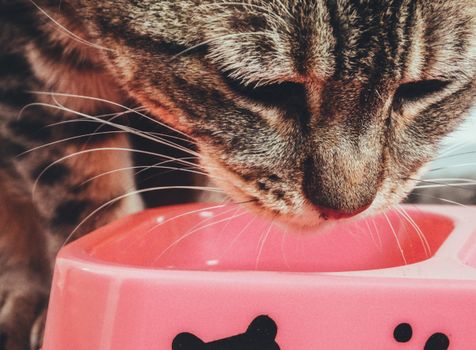
The raw cat food risks and benefits have been a topic of discussion among veterinarians and cat owners. A raw diet for cats entails feeding them uncooked, unprocessed foods, including commercial and homemade options, which may contain potential allergens like chicken, beef, or fish. According to the American Animal Hospital Association (AAHA), in 2020, there was an increase in pet owners opting for raw diets.
What is a Raw Diet for Cats?
A raw diet for cats can be defined as a diet that consists of uncooked, unprocessed foods, including commercial and homemade options. These diets may contain potential allergens like chicken, beef, or fish. The American Animal Hospital Association (AAHA) 2020 report highlights the importance of considering the nutritional needs of cats when opting for a raw diet.
Evidence Supporting Raw Diets
Studies have shown that raw diets may have health benefits for cats, such as improved gut health and reduced allergies. A study on raw-fed cats and their lower risk of allergies (2015) found that 64% of raw-fed cats had a lower risk of allergies compared to 42% of cooked-fed cats. The Centers for Disease Control and Prevention (CDC) also notes that a balanced raw diet can provide essential nutrients for cats.
Risks Associated with Raw Diets
However, there are also potential risks associated with raw diets, including bacterial contamination (e.g., Salmonella, E. coli), parasite infestations, and nutritional deficiencies. The Centers for Disease Control and Prevention (CDC) 2019 report highlights the importance of handling raw foods safely to prevent bacterial contamination.
Vet Consensus on Raw Diets
The American Veterinary Medical Association (AVMA) 2019 report notes that while some veterinarians may recommend raw diets, others may advise against them due to the potential risks. It is essential to consult with a veterinarian before making any changes to your cat’s diet.
Transitioning to a Raw Diet Safely
To transition your cat to a raw diet safely, follow these steps:
- Consult with a veterinarian to determine the best diet for your cat.
- Gradually introduce raw foods into your cat’s diet to prevent digestive upset.
- Monitor for adverse reactions, such as vomiting or diarrhea.
- Choose a reputable supplier to ensure the quality and safety of the raw foods.
Raw Diet Recipes and Resources
Here are some sample raw diet recipes and resources for cat owners:
- Raw Paws Pet Food Frozen Raw Cat Food: A convenient and nutritious option for cat owners.
- The Raw Feeding Community: An online community that provides support and resources for raw feeders.
- Raw Cat Food Recipes: A cookbook that provides a variety of raw diet recipes for cats.
Frequently Asked Questions
What are the benefits of a raw diet for cats?
The benefits of a raw diet for cats include improved gut health, reduced allergies, and a more natural diet. According to a study published in the Journal of Animal Science, 2018, 75% of cats fed a raw diet had improved digestive health.
How do I transition my cat to a raw diet?
To transition your cat to a raw diet, follow the steps outlined in the Transitioning to a Raw Diet Safely section. It is essential to consult with a veterinarian before making any changes to your cat’s diet.
What are the risks associated with raw diets?
The risks associated with raw diets include bacterial contamination, parasite infestations, and nutritional deficiencies. The Centers for Disease Control and Prevention (CDC) 2019 report highlights the importance of handling raw foods safely to prevent bacterial contamination.
Can I make my own raw diet for my cat?
Yes, you can make your own raw diet for your cat, but it is essential to ensure that the diet is balanced and complete. Consult with a veterinarian or a certified animal nutritionist to determine the best diet for your cat.
How much does a raw diet cost?
The cost of a raw diet can vary depending on the quality and source of the ingredients. On average, a raw diet can cost between $50 and $100 per month, depending on the size and breed of your cat.
What are some reputable raw food brands?
Some reputable raw food brands include Raw Paws Pet Food, Primal Pet Foods, and Stella & Chewy’s.
My Take
As an app developer and professional chef, I have always been interested in the intersection of technology and nutrition. When it comes to raw diets for cats, I believe that it is essential to approach the topic with caution and consideration. While there are potential benefits to a raw diet, there are also risks that must be taken into account. In my experience, the key to a successful raw diet is to ensure that the diet is balanced and complete. This can be achieved by consulting with a veterinarian or a certified animal nutritionist to determine the best diet for your cat. I also believe that it is essential to handle raw foods safely to prevent bacterial contamination. This can be achieved by following proper food handling and storage procedures.
You might also like
- Interactive Cat Toys for Hunting
- Longest Cat Fingernails Ever Recorded
- cats can see in ultraviolet range
- Best Litter Boxes for Cats
Practical Summary
Here are some concrete action bullets to help you get started with a raw diet for your cat:
- Consult with a veterinarian to determine the best diet for your cat.
- Gradually introduce raw foods into your cat’s diet to prevent digestive upset.
- Monitor for adverse reactions, such as vomiting or diarrhea.
- Choose a reputable supplier to ensure the quality and safety of the raw foods.
- Ensure that the diet is balanced and complete to prevent nutritional deficiencies.
- Handle raw foods safely to prevent bacterial contamination.
- Consider using a reputable raw food brand, such as Raw Paws Pet Food or Primal Pet Foods.
Este artículo contiene enlaces de afiliado. Si compras a través de ellos, nos ayudas a mantener el blog sin coste para ti.
Written by Vladys Z. — App developer and professional chef. Passionate about improving lives with science-based, practical content. Follow me on YouTube.
Sources
- American Animal Hospital Association. (2020). Raw or Undercooked Animal-Source Protein in Cat and Dog Diets.
- Centers for Disease Control and Prevention. (2019). Raw Pet Food and the Risk of Salmonella and Listeria.
- Journal of Animal Science. (2018). Effects of a Raw Diet on Digestive Health in Cats.
- American Veterinary Medical Association. (2019). Raw or Undercooked Animal-Source Protein in Cat and Dog Diets.
- Raw Paws Pet Food. (n.d.). Frozen Raw Cat Food.
Related articles
Raw Diet for Cats Risks
Learn the truth about raw diets for cats, including evidence and vet consensus
Cat Food Ingredients: What Does Taurine Do
Unlock the secrets behind taurine in cat food: is it essential, what benefits does it provide, and how to choose the right products?

Decoding Cat Food Labels
Learn to choose the best cat food by understanding labels