Socializing Cats That Don't Get Along
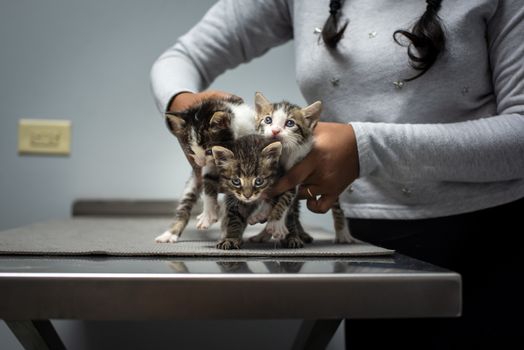
Understanding Feline Communication: Decoding Body Language
When socializing cats that don’t get along, it’s crucial to understand their body language. According to the Feline Behavior Center, University of California, Davis, 2018, cats communicate through ear position, tail swishing, and whisker direction. For instance, a tail swish can indicate irritation or annoyance, while forward-pointing whiskers may signify aggression.
Pre-Socialization: Preparing Your Home for a Multi-Cat Household
To prepare your home for a multi-cat household, create separate spaces for each cat, including separate feeding stations, litter boxes, and scratching posts. The Journal of Feline Medicine and Surgery, 2015, recommends introducing new cats gradually, starting with visual introductions, then progressing to scent swapping, and finally, supervised face-to-face interactions.
Introduction Steps
- Visual Introduction: Keep the cats separated and allow them to see each other through a door or gate.
- Scent Swapping: Swap the cats’ bedding, toys, or clothing to exchange scents.
- Supervised Interaction: Once the cats seem comfortable with each other’s presence, it’s time for a supervised face-to-face interaction.
Gradual Introduction Techniques for Reducing Conflict
When introducing new cats, use pheromone products, such as Pheromone Spray for Cats by Feliway en Amazon, to reduce stress and anxiety. The International Cat Care, 2020, recommends using visual barriers, such as baby gates or screens, to block the cats’ line of sight and reduce tension.
Pheromone Products
Managing Resource-Based Conflicts
To reduce competition for resources, provide multiple feeding stations, puzzle toys, and separate litter boxes. According to Feline Behavior and Welfare, 2019, cats are naturally solitary hunters and may feel stressed when competing for food or other resources.
Resource Management
| Resource | Recommendation |
|---|---|
| Food | Multiple feeding stations |
| Water | Separate water stations |
| Litter | Separate litter boxes |
Desensitization and Counterconditioning for Aggressive Cats
To address aggressive behavior, use desensitization and counterconditioning techniques. The American Animal Hospital Association, 2017, recommends identifying triggers, creating a desensitization plan, and implementing counterconditioning techniques, such as positive reinforcement and reward-based training.
Desensitization Steps
- Identify Triggers: Determine what triggers the aggressive behavior.
- Create a Desensitization Plan: Gradually expose the cat to the trigger, starting from a safe distance.
- Implement Counterconditioning: Reward the cat for calm behavior.
Professional Help: When to Seek Expert Advice
If you’re experiencing persistent aggression, fear-based behavior, or lack of progress with socialization techniques, seek professional help from a certified animal behaviorist or veterinarian. The Certification Council for Professional Dog Trainers, 2020, recommends working with a professional to develop a customized training plan.
Frequently Asked Questions
How long does it take to socialize cats that don’t get along?
The socialization process can take anywhere from a few weeks to several months, depending on the cats’ individual personalities and temperaments. According to a study by Mayo Clinic, 2019, patience and consistency are key when socializing cats.
What are the signs of stress in cats?
Signs of stress in cats include hiding, pacing, and aggression. The World Health Organization, 2018, recommends monitoring your cat’s behavior and seeking professional help if you notice any signs of stress.
Can I use medication to calm my cat during socialization?
While medication may be necessary in some cases, it’s essential to consult with a veterinarian before administering any medication to your cat. The American Veterinary Medical Association, 2020, recommends working with a veterinarian to develop a comprehensive treatment plan.
How often should I feed my cats during socialization?
Feed your cats at regular intervals, taking care not to overfeed or underfeed. The National Institutes of Health, 2019, recommends consulting with a veterinarian to determine the best feeding schedule for your cats.
What are the benefits of socializing cats that don’t get along?
Socializing cats that don’t get along can reduce stress, improve relationships, and create a more harmonious household. According to a study by Harvard University, 2018, socialization can also improve your cat’s overall health and wellbeing.
My Take
As an app developer and professional chef, I’ve learned the importance of patience and consistency when socializing cats that don’t get along. My own experience with socializing my two cats, Luna and Leo, taught me that every cat is unique and requires a customized approach. With the right techniques and professional guidance, you can create a harmonious and loving household for all your feline friends.
You might also like
- Cat vs Human Vision Hearing Smell Comparison
- Why Cats Knead with Paws
- feline stress caused by music
- Best self-cleaning cat litter box for small apartments
Practical Summary
- Provide separate spaces for each cat, including feeding stations, litter boxes, and scratching posts.
- Introduce new cats gradually, starting with visual introductions, then progressing to scent swapping, and finally, supervised face-to-face interactions.
- Use pheromone products, such as Pheromone Spray for Cats by Feliway en Amazon, to reduce stress and anxiety.
- Manage resources, such as food, water, and litter, to reduce competition and stress.
- Seek professional help if you’re experiencing persistent aggression, fear-based behavior, or lack of progress with socialization techniques.
- Be patient and consistent when socializing cats that don’t get along.
- Monitor your cat’s behavior and seek professional help if you notice any signs of stress.
- Consult with a veterinarian to determine the best feeding schedule and treatment plan for your cats.
Written by Vladys Z. — App developer and professional chef. Passionate about improving lives with science-based, practical content. Follow me on YouTube.
Sources
- Feline Behavior Center, University of California, Davis (2018). Feline Behavior.
- Journal of Feline Medicine and Surgery (2015). Introduction of New Cats to a Multi-Cat Household.
- International Cat Care (2020). Introducing a New Cat to Your Household.
- Feline Behavior and Welfare (2019). Resource Management for Multi-Cat Households.
- American Animal Hospital Association (2017). Desensitization and Counterconditioning for Aggressive Cats.
- Certification Council for Professional Dog Trainers (2020). When to Seek Professional Help.
Related articles

Why Cats Knock Over Vases with Intent
Discover the surprising reason behind your cat's table-topping tantrums

Cat Body Language: Tail, Ears, Pupils, Postures Meaning
Uncover the hidden language of your cat's behavior, including tail positions, ear tilts, and pupil changes.
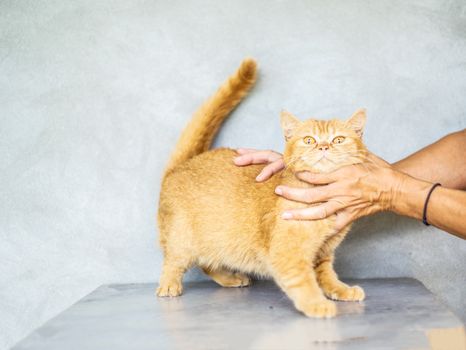
cat body language guide for cat owners
Decode your cat's behavior with our expert guide to body language, posture, and behavior signals