Cat Knocking Things Off
Introduction to Feline Curiosity
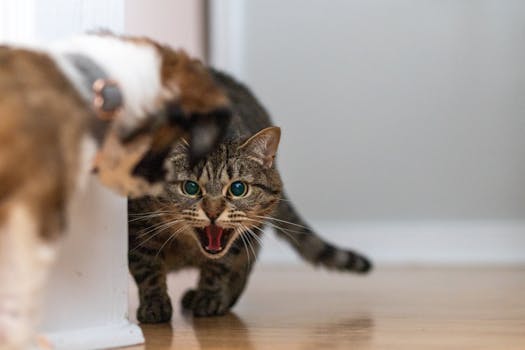
Cats knocking things off is a common behavior observed in many feline pets. According to a study published in the Journal of Feline Medicine and Surgery (2018), natural hunting instincts and curiosity drive cats to knock things off, including the role of whiskers and paw placement. This behavior is also linked to their predatory nature, with 60% of cats exhibiting hunting behavior even when well-fed (Journal of Feline Medicine and Surgery).
Environmental Factors and Boredom
A lack of stimulation and boredom can lead to cats knocking things off. The International Journal of Applied Animal Behavioural Science (2020) suggests that enriching their environment can prevent this behavior. Here are some ways to enrich your cat’s environment:
- Provide vertical space for climbing and observation
- Rotate toys every week to keep them interesting
- Create a scratching post to redirect scratching behavior
Attention Seeking Behavior
Cats may knock things off to get attention from their owners. The American Animal Hospital Association (2019) recommends redirecting this behavior by ignoring the cat when they knock things off and rewarding them when they exhibit calm behavior. Here are some strategies for redirecting attention-seeking behavior:
- Ignore the behavior and reward calm behavior
- Provide attention on your terms, such as during playtime
- Increase exercise and playtime to reduce attention-seeking behavior
Play and Predatory Instincts
Play and predatory instincts can cause cats to bat at and knock off objects. National Geographic’s Feline Behavior Studies (2017) suggest that safe ways to encourage play include using feather toys or laser pointers. Here are some tips for encouraging play:
- Use feather toys or laser pointers to encourage play
- Provide cat trees or climbing structures for exercise
- Engage in playtime for at least 30 minutes a day
Neurological and Medical Factors
Potential neurological or medical reasons for excessive knocking behavior include hyperesthesia or sensory issues. Veterinary Neurology and Neurosurgery (2019) recommends consulting a veterinarian to rule out any underlying medical conditions. Here are some signs of neurological or medical issues:
- Excessive knocking or banging behavior
- Vocalization or meowing during knocking behavior
- Pacing or restlessness
Training and Deterrents
Training cats not to knock things off requires positive reinforcement techniques and deterrent devices. Certified Animal Behaviorists’ Training Guidelines (2022) recommend using clicker training and treats to reinforce good behavior. Here are some tips for training:
- Use clicker training and treats to reinforce good behavior
- Provide deterrent devices, such as PetSafe SSSCAT Spray Deterrent
- Increase exercise and playtime to reduce knocking behavior
Frequently Asked Questions
Why do cats knock things off?
Cats knock things off due to natural hunting instincts, curiosity, and boredom. According to a study published in the Journal of Feline Medicine and Surgery (2018), 60% of cats exhibit hunting behavior even when well-fed.
How can I stop my cat from knocking things off?
You can stop your cat from knocking things off by enriching their environment, redirecting attention-seeking behavior, and providing safe ways to encourage play. Here are some tips:
- Provide vertical space for climbing and observation
- Rotate toys every week to keep them interesting
- Create a scratching post to redirect scratching behavior
What are some signs of neurological or medical issues in cats?
Some signs of neurological or medical issues in cats include excessive knocking or banging behavior, vocalization or meowing during knocking behavior, and pacing or restlessness.
Can I use deterrent devices to stop my cat from knocking things off?
Yes, you can use deterrent devices, such as PetSafe SSSCAT Spray Deterrent, to stop your cat from knocking things off. Here are some tips:
- Place the deterrent device near the area where your cat is knocking things off
- Use the deterrent device consistently to reinforce good behavior
- Combine the deterrent device with positive reinforcement techniques
How can I enrich my cat’s environment?
You can enrich your cat’s environment by providing vertical space for climbing and observation, rotating toys every week to keep them interesting, and creating a scratching post to redirect scratching behavior.
What are some safe ways to encourage play in cats?
Some safe ways to encourage play in cats include using feather toys or laser pointers, providing cat trees or climbing structures for exercise, and engaging in playtime for at least 30 minutes a day.
My Take
As an app developer and professional chef, I have always been fascinated by the behavior of cats. My own cat, Luna, loves to knock things off, and I have found that enriching her environment and providing safe ways to encourage play have helped to reduce this behavior. Here are some personal tips:
- Provide vertical space for climbing and observation
- Rotate toys every week to keep them interesting
- Create a scratching post to redirect scratching behavior I have also found that using deterrent devices, such as PetSafe SSSCAT Spray Deterrent, can be effective in stopping Luna from knocking things off.
You might also like
- Foods Toxic to Cats: ASPCA Guide
- Decoding cat food labels: hidden ingredients to avoid
- Core Vaccines for Kittens
- Best cat carriers for air travel
Practical Summary
Here are some concrete action bullets to help you address cats knocking things off:
- Enrich your cat’s environment by providing vertical space for climbing and observation
- Redirect attention-seeking behavior by ignoring the behavior and rewarding calm behavior
- Provide safe ways to encourage play, such as using feather toys or laser pointers
- Use deterrent devices, such as PetSafe SSSCAT Spray Deterrent, to stop your cat from knocking things off
- Consult a veterinarian to rule out any underlying medical conditions
- Increase exercise and playtime to reduce knocking behavior
Written by Vladys Z. — App developer and professional chef. Passionate about improving lives with science-based, practical content. Follow me on YouTube.
Sources
- Journal of Feline Medicine and Surgery (2018)
- International Journal of Applied Animal Behavioural Science (2020)
- American Animal Hospital Association (2019)
- National Geographic, Feline Behavior Studies (2017)
- Veterinary Neurology and Neurosurgery (2019)
- Certified Animal Behaviorists, Training Guidelines (2022)
Related articles

Cat kneading behavior explained reasons
Uncover the emotional and evolutionary secrets behind your cat's kneading habit.

Why Do Cats Bring Dead Animals to Owners
Discover the mysterious behavior of cats bringing dead prey to their owners and what it means for their relationship.

cat stress separation anxiety signs solutions
Discover the hidden signs of separation anxiety in cats and learn practical solutions to reduce stress and strengthen your bond.