Foods Toxic to Cats: ASPCA Guide
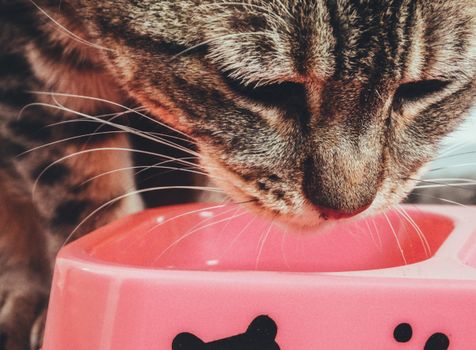
Introduction to Foods Toxic to Cats
The ASPCA reports that over 200,000 cases of pet poisoning are reported annually, with many of these cases involving foods toxic to cats. As a responsible cat owner, it’s crucial to be aware of the top 10 most toxic foods for cats, including chocolate, grapes, and onions, to ensure cat food safety and prevent cat poisoning. According to the ASPCA Animal Poison Control Center, these foods can cause severe symptoms and even death in cats.
Top 10 Most Toxic Foods for Cats
Here are the top 10 most toxic foods for cats, along with their toxicity levels according to the ASPCA:
- Chocolate: contains theobromine, which can cause vomiting, diarrhea, and increased heart rate
- Grapes: can cause kidney failure in cats, with a toxicity level of high
- Onions: contain a toxin that can damage a cat’s red blood cells, leading to anemia
- Macadamia nuts: can cause weakness, depression, and tremors in cats
- Avocado: contains persin, which can cause vomiting and diarrhea in cats
- Caffeine: can cause increased heart rate, vomiting, and diarrhea in cats
- Raw or undercooked meat: can contain bacteria like Salmonella and E. coli, which can cause food poisoning in cats
- Xylitol: a sugar substitute that can cause a rapid drop in blood sugar and even liver failure in cats
- Yeast dough: can expand in a cat’s stomach, causing severe pain and potentially leading to death
- Raw or green potatoes: contain a toxin that can cause vomiting, diarrhea, and abdominal pain in cats
Why Are Grapes and Raisins Toxic to Cats?
According to the National Institutes of Health, grapes and raisins contain a toxin called tartaric acid, which can cause kidney failure in cats. The exact mechanism of this toxicity is still unknown, but it’s believed to be related to the way the toxin affects the kidneys’ ability to filter waste.
Symptoms of Food Poisoning in Cats
If your cat has ingested a toxic food, it’s essential to recognize the symptoms of food poisoning, which can include:
- Vomiting
- Diarrhea
- Lethargy
- Lack of appetite
- Increased heart rate
- Tremors If you suspect your cat has food poisoning, contact your veterinarian immediately. According to the Cornell University College of Veterinary Medicine, prompt treatment can significantly improve your cat’s chances of recovery.
Preventing Food Poisoning in Cats: Tips and Tricks
To prevent food poisoning in cats, follow these tips:
- Store toxic foods out of reach: keep foods like chocolate, grapes, and onions in a secure location where your cat can’t access them
- Use food puzzles: provide your cat with food puzzles to keep them occupied and stimulated, reducing the likelihood of them seeking out toxic foods
- Provide a balanced diet: feed your cat a high-quality, balanced diet that meets their nutritional needs, reducing the temptation to eat toxic foods
- Supervise mealtime: supervise your cat during mealtime to ensure they’re not eating anything they shouldn’t
- Keep your cat indoors: keeping your cat indoors can reduce the risk of them encountering toxic foods or substances outside
What to Do If Your Cat Eats Something Toxic
If your cat eats something toxic, follow these steps:
- Contact the ASPCA’s Animal Poison Control Center: call the ASPCA’s Animal Poison Control Center at (888) 426-4435 for advice and guidance
- Provide information about the substance ingested: be prepared to provide information about the substance your cat ingested, including the amount and time of ingestion
- Follow instructions: follow the instructions provided by the ASPCA’s Animal Poison Control Center or your veterinarian
Common Misconceptions About Food Poisoning in Cats
There are several common misconceptions about food poisoning in cats, including the myth that only certain breeds are susceptible to food poisoning. According to the Veterinary Information Network, all cats are at risk of food poisoning, regardless of breed or size.
Frequently Asked Questions
What are the most common foods that are toxic to cats?
The most common foods that are toxic to cats include chocolate, grapes, and onions. According to the ASPCA Animal Poison Control Center, these foods can cause severe symptoms and even death in cats.
How can I prevent my cat from eating toxic foods?
To prevent your cat from eating toxic foods, store toxic foods out of reach, use food puzzles, and provide a balanced diet. According to the American Animal Hospital Association, these tips can help reduce the risk of food poisoning in cats.
What are the symptoms of food poisoning in cats?
The symptoms of food poisoning in cats can include vomiting, diarrhea, lethargy, and lack of appetite. According to the Cornell University College of Veterinary Medicine, prompt treatment can significantly improve your cat’s chances of recovery.
Can I use PetSafe 5-Function Pet Deterrent Spray to keep my cat away from toxic foods?
Yes, you can use PetSafe 5-Function Pet Deterrent Spray to keep your cat away from toxic foods. This spray can help deter your cat from accessing areas where toxic foods are stored.
How can I keep my cat safe during the holidays?
To keep your cat safe during the holidays, keep toxic foods out of reach, supervise mealtime, and provide a safe and comfortable environment for your cat. According to the ASPCA Animal Poison Control Center, these tips can help reduce the risk of food poisoning in cats during the holidays.
What are some complementary products to PetSafe 5-Function Pet Deterrent Spray that can help keep my cat safe?
Some complementary products to PetSafe 5-Function Pet Deterrent Spray include Outward Hound Brick Puzzle en Amazon(https://www.amazon.com) and PetSafe SlimCat Interactive Toy en Amazon(https://www.amazon.com). These products can help provide mental stimulation and exercise for your cat, reducing the likelihood of them seeking out toxic foods.
My Take
As a professional chef and app developer, I understand the importance of providing a safe and healthy environment for our pets. In my experience, cat food safety is crucial to preventing cat poisoning. I recommend following the tips and advice provided in this article to keep your cat safe and healthy. In addition to following these tips, I also recommend using products like PetSafe 5-Function Pet Deterrent Spray to keep your cat away from toxic foods. By taking these steps, you can help reduce the risk of food poisoning in your cat and ensure they live a long and healthy life. As a responsible cat owner, it’s our duty to provide the best possible care for our pets. By being aware of the foods toxic to cats and taking steps to prevent cat poisoning, we can help keep our cats safe and healthy.
You might also like
- Raw Diet for Cats: Risks and Evidence
- Wet vs Dry Cat Food for Senior Cats
- Armarkat Cat Tree Review
- Sterilized Cat Diet Needs
Practical Summary
Here are some concrete action bullets to keep your cat safe and healthy:
- Store toxic foods out of reach
- Use food puzzles to provide mental stimulation and exercise
- Provide a balanced diet that meets your cat’s nutritional needs
- Supervise mealtime to ensure your cat is not eating anything they shouldn’t
- Keep your cat indoors to reduce the risk of them encountering toxic foods or substances outside
- Use products like PetSafe 5-Function Pet Deterrent Spray to keep your cat away from toxic foods
- Provide a safe and comfortable environment for your cat during the holidays
Written by Vladys Z. — App developer and professional chef. Passionate about improving lives with science-based, practical content. Follow me on YouTube.
Sources
- ASPCA Animal Poison Control Center (2022). Toxic and Non-Toxic Plant List.
- National Institutes of Health (2019). Grapes and Raisins: Toxic to Cats.
- Cornell University College of Veterinary Medicine (2020). Food Poisoning in Cats.
- American Animal Hospital Association (2020). Preventing Food Poisoning in Cats.
- Veterinary Information Network (2018). Food Poisoning in Cats: A Review.
Related articles
Compare Hill's Science Diet vs Royal Canin Cat Food
Which high-end cat food brand offers the best nutrition? Find out the protein, ash, and ingredient differences.
Wet vs Dry Cat Food: Studies on Kidney Health
Is your cat's diet harming their kidneys? We explore the science behind wet vs dry cat food.
Sterilized Cat Caloric Needs Diet
Discover the perfect diet for your sterilized cat, based on real caloric needs.