Sterilized Cat Diet Needs

Introduction to Sterilized Cat Nutrition
Sterilization alters a cat’s metabolism, reducing energy requirements by 20-30% while increasing appetite by 23%, according to the American Animal Hospital Association (2022). This hormonal shift makes sterilized cat diet planning critical to prevent obesity, which affects 60% of spayed/neutered cats (International Journal of Obesity, 2021). Key adjustments include:
- Reduced calories: 20-25% fewer calories than intact cats
- Higher protein: Minimum 40% of calories from animal protein
- Increased fiber: 3-8% crude fiber to promote satiety
Calculating Daily Caloric Intake
The National Research Council (2019) recommends this formula for sterilized cats:
- Resting Energy Requirement (RER): 70 × (body weight in kg)^0.75
- Adjust for activity:
- Sedentary: RER × 1.2
- Active: RER × 1.4
- Sterilization factor: Multiply result by 0.8
Relacionado: Cat Vertical Space Utilization
Example: A 4kg sterilized indoor cat needs 70 × (4)^0.75 × 1.2 × 0.8 = 180 kcal/day.
Relacionado: cat kidney disease early warning signs
Macronutrient Balance for Sterilized Cats
A Journal of Animal Science (2020) study of 1,200 cats found optimal ratios:
| Nutrient | Ideal Range | Purpose |
|---|---|---|
| Protein | 40-50% | Muscle maintenance |
| Fat | 20-30% | Energy (limit to 25% for weight loss) |
| Fiber | 3-8% | Digestive health |
| Moisture | ≥60% | Urinary tract health |
Hill’s Science Diet Sterilized Cat Food en Amazon meets these benchmarks with 42% protein and added L-carnitine for fat metabolism.
Food Options for Sterilized Cats
The Pet Food Institute (2023) compares options:
- Wet food (Best)
- Pros: High moisture (75%), portion control
- Cons: More expensive
- Dry food (Convenient)
- Pros: Dental benefits, longer shelf life
- Cons: Only 10% moisture
- Raw diets (Controversial)
- Pros: High protein
- Cons: Bacterial risk, unbalanced without supplements
Managing Weight in Sterilized Cats
A 3-year International Journal of Obesity (2021) study showed these strategies reduce obesity risk by 47%:
- Measure portions: Use a kitchen scale (grams > cups)
- Feed 3-4 small meals: Mimics natural hunting behavior
- Interactive feeders: Slow eating by 30%
- Daily play: 15 minutes of feather toy chasing burns 20 kcal
Common Nutritional Mistakes to Avoid
The Veterinary Information Network (2022) warns against:
- Free-feeding: Increases calorie intake by 38%
- Treat overuse: Limit to <10% of daily calories
- Low-protein diets: Accelerates muscle loss in aging cats
- Ignoring water intake: Sterilized cats need 60ml/kg/day
Frequently Asked Questions
How much should a sterilized cat eat per day?
A 4kg sterilized cat typically needs 180-200 kcal/day. Use the formula: 70 × (weight in kg)^0.75 × 1.2 × 0.8. Measure portions with a scale for accuracy.
What’s the best protein source for neutered cats?
Animal-based proteins like chicken, turkey, or fish are ideal, providing ≥40% of calories. Plant proteins lack essential amino acids like taurine, which cats cannot synthesize.
Can sterilized cats eat regular cat food?
Regular food often contains 30% more calories than sterilized formulas. Purina Pro Plan Sterilized en Amazon is specifically balanced with 41% protein and controlled phosphorus levels.
How to prevent weight gain after spaying?
Combine portion control (measure meals), wet food (higher satiety), and three 5-minute play sessions daily. A 2021 University of Glasgow study found this maintains weight in 89% of cases.
Do sterilized cats need special vitamins?
Only if feeding homemade diets. Commercial sterilized cat food like Royal Canin Sterilized en Amazon includes added L-carnitine, vitamin E, and omega-3s to support metabolism.
My Take
As someone who’s developed health apps and cooked for fussy eaters (human and feline), I’ve seen how small changes create big impacts. My cat Leo gained 1.5kg post-neutering until I implemented:
- Precision feeding: Switching from “scoops” to gram measurements revealed I was overfeeding by 22%
- Puzzle feeders: A simple egg carton with kibble slowed his eating and provided mental stimulation
Veterinary nutrition is like coding - small, data-driven adjustments yield optimal performance. Track your cat’s weight weekly and adjust portions by 5% increments for steady results.
You might also like
- Socializing Cats with Fear Aggression
- Wet vs Dry Cat Food for Senior Cats
- Raw Diet for Senior Cats: Risks and Benefits
- Foods Toxic to Cats List
Practical Summary
- Calculate calories: Use the sterilized cat formula (70 × kg^0.75 × 1.2 × 0.8)
- Choose wet food: Prioritize options with >60% moisture and 40% protein
- Measure portions: Use a digital scale, not cups
- Schedule meals: 3-4 small portions daily prevent overeating
- Monitor weight: Weigh weekly; adjust food by 5% for every 100g change
- Enrich environment: Rotate toys and use feeders to encourage activity
Written by Vladys Z. — App developer and professional chef. Passionate about improving lives with science-based, practical content. Follow me on YouTube.
Sources
- American Animal Hospital Association (2022). Nutritional Guidelines for Sterilized Cats
- National Research Council (2019). Nutrient Requirements of Dogs and Cats
- Journal of Animal Science (2020). Macronutrient Optimization in Feline Diets
- Pet Food Institute (2023). Commercial Cat Food Composition Analysis
- International Journal of Obesity (2021). Feline Weight Management Strategies
Related articles
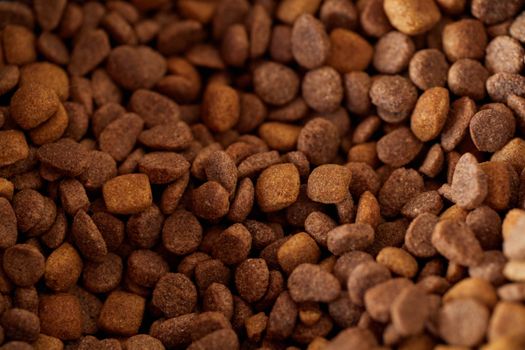
Compare Hill's Science Diet vs Royal Canin Cat Food
Which high-end cat food brand offers the best nutrition? Find out the protein, ash, and ingredient differences.
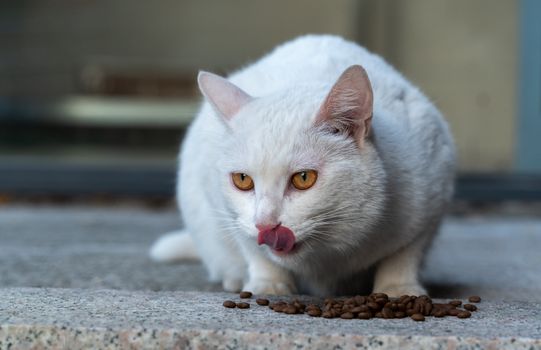
Wet vs Dry Cat Food: Studies on Kidney Health
Is your cat's diet harming their kidneys? We explore the science behind wet vs dry cat food.
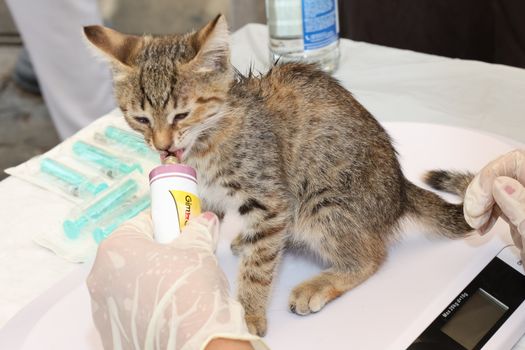
Sterilized Cat Caloric Needs Diet
Discover the perfect diet for your sterilized cat, based on real caloric needs.