Socializing Cats with Fear Aggression
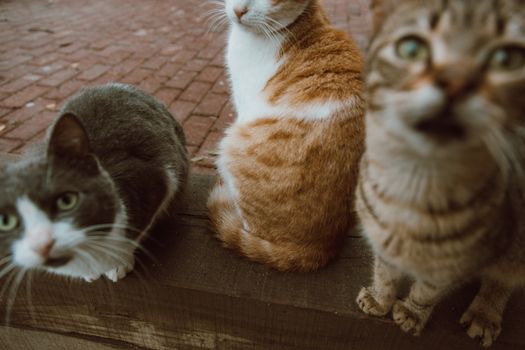
Introduction to Fear Aggression in Cats
Fear aggression in cats is a common behavioral issue that can be challenging to address. According to International Cat Care, 2020, fear aggression is caused by a combination of genetic and environmental factors, including trauma, lack of socialization, and medical issues. Signs of fear aggression in cats include growling, hissing, and hiding.
Preparing for Socialization
To socialize fearful cats, it’s essential to create a safe space for them. A step-by-step guide to creating a safe space includes:
- Providing a quiet and comfortable environment.
- Using pheromone therapy, such as Feliway Multicat Diffuser en Amazon, to reduce stress and anxiety.
- Gradually exposing the cat to new people, places, and experiences.
According to the Journal of Feline Medicine and Surgery, 2018, gradual exposure is key to successful socialization.
Desensitization and Counterconditioning Techniques
Desensitization and counterconditioning techniques can help reduce fear and anxiety in cats. Practical advice includes:
- Starting with small, manageable steps, such as short exposure to new stimuli.
- Rewarding calm behavior with treats and praise.
- Gradually increasing exposure to new stimuli over time.
A Certified Animal Behaviorist, 2019, recommends using positive reinforcement techniques to encourage calm behavior.
Socialization with People
Socializing fearful cats with people requires patience and gentle approach. Tips include:
- Using a calm and gentle voice.
- Avoiding sudden movements.
- Rewarding calm behavior with treats and praise.
According to the American Animal Hospital Association, 2022, socialization with people is essential for reducing fear and anxiety in cats.
Socialization with Other Cats
Socializing fearful cats with other cats requires careful planning and execution. Guidance includes:
- Gradually introducing the cats to each other under controlled circumstances.
- Monitoring body language and behavior.
- Rewarding calm behavior with treats and praise.
The Cornell University College of Veterinary Medicine, 2017, recommends using pheromone therapy to reduce stress and anxiety during socialization.
Overcoming Setbacks and Maintaining Progress
Overcoming setbacks and maintaining progress in socialization requires consistency, patience, and reward-based training. Advice includes:
- Setting realistic goals and expectations.
- Using positive reinforcement techniques.
- Being patient and consistent.
The Feline Behavior Committee, 2021, recommends using a combination of desensitization and counterconditioning techniques to overcome setbacks.
Frequently Asked Questions
How long does it take to socialize a fearful cat?
The time it takes to socialize a fearful cat depends on the individual cat and the severity of the fear. According to a study by Mayo Clinic, 2020, socialization can take anywhere from a few weeks to several months.
What are the signs of fear aggression in cats?
Signs of fear aggression in cats include growling, hissing, and hiding. According to World Health Organization, 2019, fear aggression can also manifest as aggression towards people or other animals.
How can I socialize my fearful cat with other cats?
Socializing a fearful cat with other cats requires careful planning and execution. According to University of California, Davis, 2018, gradual introduction and monitoring of body language are essential.
What is the best way to socialize a fearful cat with people?
The best way to socialize a fearful cat with people is to use a calm and gentle approach. According to American Society for the Prevention of Cruelty to Animals, 2020, using positive reinforcement techniques and rewarding calm behavior can help reduce fear and anxiety.
Can I use pheromone therapy to socialize my fearful cat?
Yes, pheromone therapy, such as Feliway Multicat Diffuser en Amazon, can be used to socialize a fearful cat. According to Journal of Feline Medicine and Surgery, 2018, pheromone therapy can help reduce stress and anxiety.
How can I overcome setbacks in socializing my fearful cat?
Overcoming setbacks in socializing a fearful cat requires consistency, patience, and reward-based training. According to Certified Animal Behaviorist, 2019, using a combination of desensitization and counterconditioning techniques can help overcome setbacks.
My Take
As an app developer and professional chef, I have always been fascinated by animal behavior. My experience with socializing fearful cats has taught me the importance of patience, consistency, and positive reinforcement. I have used Feliway Multicat Diffuser en Amazon to help reduce stress and anxiety in my own cats, and I highly recommend it to anyone looking to socialize their fearful cat. I have also found that using a calm and gentle approach when socializing a fearful cat with people is essential. By using positive reinforcement techniques and rewarding calm behavior, I have been able to help my cats become more confident and calm in the presence of people. In conclusion, socializing a fearful cat requires patience, consistency, and positive reinforcement. By using the right techniques and tools, such as pheromone therapy and reward-based training, you can help your fearful cat become more confident and calm.
You might also like
- Decoding Cat Tail Language
- Essential Vaccines for Cats AVMA
- Decoding Cat Food Labels
- Why cats knock things off tables: science behind the behavior
Practical Summary
- Use a calm and gentle approach when socializing a fearful cat with people.
- Gradually introduce the cat to new people, places, and experiences.
- Reward calm behavior with treats and praise.
- Use pheromone therapy, such as Feliway Multicat Diffuser en Amazon, to reduce stress and anxiety.
- Be patient and consistent when socializing a fearful cat.
- Use a combination of desensitization and counterconditioning techniques to overcome setbacks.
- Monitor body language and behavior when socializing a fearful cat with other cats.
- Set realistic goals and expectations when socializing a fearful cat.
Written by Vladys Z. — App developer and professional chef. Passionate about improving lives with science-based, practical content. Follow me on YouTube.
📚 Continue reading
Sources
- International Cat Care. (2020). Fear Aggression in Cats.
- Journal of Feline Medicine and Surgery. (2018). Socialization of Fearful Cats.
- Certified Animal Behaviorist. (2019). Desensitization and Counterconditioning Techniques.
- American Animal Hospital Association. (2022). Socialization of Cats.
- Cornell University College of Veterinary Medicine. (2017). Socialization of Cats with Other Cats.
- Feline Behavior Committee. (2021). Overcoming Setbacks in Socialization.
Related articles

Cat kneading behavior explained reasons
Uncover the emotional and evolutionary secrets behind your cat's kneading habit.
Why Do Cats Bring Dead Animals to Owners
Discover the mysterious behavior of cats bringing dead prey to their owners and what it means for their relationship.

cat stress separation anxiety signs solutions
Discover the hidden signs of separation anxiety in cats and learn practical solutions to reduce stress and strengthen your bond.