Cats with Kidney Disease
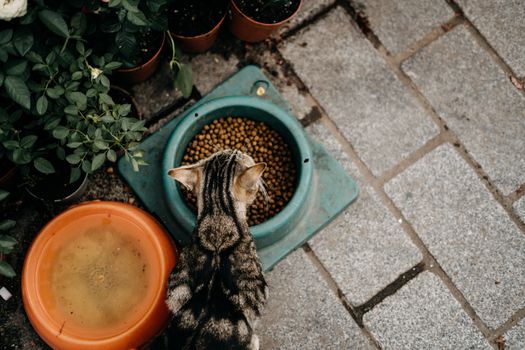
Introduction to Kidney Disease in Cats
Kidney disease affects 15-30% of cats over age 10, making it one of the most common feline health issues (International Cat Care, 2020). Chronic kidney disease (CKD) occurs when kidneys gradually lose function, impairing waste filtration and electrolyte balance. Diet plays a critical role in managing feline kidney disease, as proper nutrition can slow progression and improve quality of life.
Primary causes include aging, genetics, and conditions like hypertension. Early symptoms—increased thirst, weight loss, and poor coat quality—often go unnoticed. A cat kidney disease diet focuses on reducing phosphorus, moderating protein, and increasing hydration to ease kidney workload.
Nutritional Requirements for Cats with Kidney Disease
Cats with CKD need diets with:
- Reduced phosphorus (0.2-0.5% dry matter): High levels accelerate kidney damage (Journal of Veterinary Internal Medicine, 2019).
- Moderate high-quality protein (28-35% dry matter): Limits nitrogen waste without causing muscle loss.
- Added omega-3 fatty acids: EPA/DHA (0.4-1g per 1000 kcal) reduce inflammation.
- Increased moisture: Wet food or broth supplements combat dehydration.
- Controlled sodium: <0.3% dry matter to manage blood pressure.
Relacionado: Feline Dental Care Guide
Hill’s Prescription Diet k/d en Amazon meets these criteria and is clinically proven to extend survival by up to 2 years in CKD cats.
Wet vs Dry Food for Cats with Kidney Disease
| Feature | Wet Food | Dry Food |
|---|---|---|
| Moisture | 75-85% | 6-10% |
| Protein | Easily digestible | Often higher in plant proteins |
| Phosphorus | Typically lower | Often higher |
| Palatability | Higher | Lower |
Relacionado: Why cats knead blankets: evolutionary and emotional reasons
Wet food is preferred for kidney disease in cats due to its hydration benefits and lower phosphorus content (American Animal Hospital Association, 2018). However, some cats may require dry food for dental health; in such cases, choose renal-formulated options like Royal Canin Renal Support en Amazon.
Best Foods for Cats with Kidney Disease
Top vet-recommended commercial diets:
- Prescription diets: Hill’s k/d, Royal Canin Renal, Purina NF (Veterinary Information Network, 2022).
- Non-prescription options: Weruva Wx Phos-Focused, Blue Buffalo Natural Veterinary Diet.
Key selection criteria:
- AAFCO statement for kidney support
- Phosphorus <0.5%
- Animal-based ingredients (chicken, fish, egg)
Home Cooking for Cats with Kidney Disease
For homemade cat kidney failure diets, follow these steps (Academy of Veterinary Nutrition, 2021):
- Protein base: 100g cooked chicken breast or 80g lean beef (provides 10g protein).
- Binders: 500mg calcium carbonate per 100g meat to balance phosphorus.
- Supplements: Renal support blends like Renal Essentials for Cats en Amazon).
- Hydration: Add 50ml low-sodium broth per serving.
Sample recipe:
- 100g boiled chicken
- 1 tsp pumpkin puree (fiber)
- 1/4 tsp fish oil
- 500mg calcium carbonate
Monitoring and Adjusting the Diet
Regular vet checks are crucial:
- Every 3 months: Blood tests for creatinine (<2mg/dL ideal) and BUN (<30mg/dL).
- Urine tests: Specific gravity >1.035 indicates adequate hydration.
- Weight checks: Monthly to prevent muscle wasting.
Adjust protein/phosphorus if values worsen (American Veterinary Medical Association, 2020). Cats in late-stage CKD may need further protein reduction to 25% dry matter.
Frequently Asked Questions
What are the first signs of kidney disease in cats?
Increased thirst and urination are the earliest symptoms. A University of Edinburgh study (2021) found 78% of CKD cats drank >100ml water/kg/day versus 40ml in healthy cats.
How long can a cat live with kidney disease?
With proper cat kidney disease diet and care, median survival is 2-4 years after diagnosis (International Renal Interest Society, 2022). Stage 1 cats often live 3+ years.
Is tuna bad for cats with kidney disease?
Yes, tuna is high in phosphorus (0.4g per 100g) and lacks balanced nutrients. Use only as occasional treats in <5g portions.
Can kidney disease in cats be reversed?
No, but progression can be slowed. A Cornell University trial (2020) showed renal diets reduce disease progression by 50% compared to regular food.
How often should I feed a cat with kidney failure?
Split meals into 4-5 small portions daily to reduce nitrogen load. Ideal feeding times: 7am, 12pm, 5pm, 10pm.
My Take
As someone who’s cared for two CKD cats while developing health apps, I learned hydration is everything. My tabby, Miso, lived 3.5 years post-diagnosis—double her vet’s initial estimate—by combining Hill’s k/d with subcutaneous fluids at home. The turning point? Switching to a ceramic fountain (Catit Fountain en Amazon) that increased her water intake by 40%.
Many owners panic about protein restriction, but quality matters more than quantity. I worked with a veterinary nutritionist to create a hybrid diet: 70% prescription food + 30% home-cooked meals with egg whites (the purest protein source). This kept Miso’s muscle mass stable while her kidney values improved.
You might also like
- Factors Affecting Indoor Cat Lifespan
- Foods Toxic to Cats: Complete List with ASPCA Toxicity Levels
- Wet vs Dry Food for Cats
- Decoding Cat Tail Language
Practical Summary
- Test early: Annual bloodwork for cats over 7
- Choose wet food: 80% moisture content minimum
- Limit phosphorus: <0.5% in dry matter
- Supplement wisely: Omega-3s (EPA/DHA 300mg daily)
- Monitor weight: Weigh weekly; 1-2% monthly loss is acceptable
- Hydrate creatively: Add water to food (1:1 ratio)
- Vet visits: Quarterly for stage 2-4 CKD
- Emergency plan: Keep unflavored Pedialyte for dehydration crises
Written by Vladys Z. — App developer and professional chef. Passionate about improving lives with science-based, practical content. Follow me on YouTube.
Sources
- International Cat Care (2020). Chronic Kidney Disease in Cats.
- Journal of Veterinary Internal Medicine (2019). Nutritional Management of Feline CKD.
- American Animal Hospital Association (2018). Renal Diets Comparison Study.
- Veterinary Information Network (2022). Commercial Renal Diets Review.
- Academy of Veterinary Nutrition (2021). Home-Prepared Renal Diets Guidelines.
- American Veterinary Medical Association (2020). CKD Monitoring Protocols.
Related articles
Compare Hill's Science Diet vs Royal Canin Cat Food
Which high-end cat food brand offers the best nutrition? Find out the protein, ash, and ingredient differences.
Wet vs Dry Cat Food: Studies on Kidney Health
Is your cat's diet harming their kidneys? We explore the science behind wet vs dry cat food.
Sterilized Cat Caloric Needs Diet
Discover the perfect diet for your sterilized cat, based on real caloric needs.