Foods Toxic to Cats List
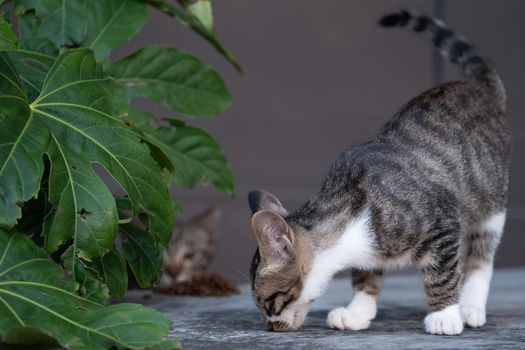
Introduction to Cat Toxicity
Cats are curious creatures, often exploring their environment with their mouths. Unfortunately, many common household items and foods can be toxic to them. According to the ASPCA (2022), their Animal Poison Control Center receives over 200,000 calls annually about pet poisonings, with food-related cases accounting for 17%. Beyond human foods like chocolate and onions, dangers include certain plants (lilies, sago palms), medications (ibuprofen, acetaminophen), and even essential oils.
Top 10 Most Toxic Foods for Cats
- Chocolate: Contains theobromine, causing seizures and death. Just 50g of dark chocolate can be lethal for a 4kg cat (Pet Poison Helpline, 2020).
- Grapes/Raisins: Can trigger kidney failure. The toxic dose is unknown, so avoid entirely.
- Onions/Garlic: Damage red blood cells, leading to anemia. 1 tsp of onion powder is toxic for a 5kg cat.
- Xylitol: Found in sugar-free gum, causes rapid insulin release and liver failure.
- Alcohol: Even small amounts cause vomiting, coma, or death.
- Caffeine: Accelerates heart rate dangerously.
- Macadamia Nuts: Cause weakness and tremors.
- Raw Dough: Expands in the stomach, releasing toxic ethanol.
- Dairy: Many cats are lactose intolerant, leading to severe diarrhea.
- Bones/Cooked Fat: Can cause choking or pancreatitis.
Toxicity Levels According to ASPCA
The ASPCA categorizes toxicity from Level 1 (mild) to Level 5 (severe):
| Food/Substance | Toxicity Level | Symptoms |
|---|---|---|
| Chocolate (dark) | Level 4 | Seizures, death |
| Grapes | Level 3 | Kidney failure |
| Onions | Level 3 | Anemia, weakness |
| Xylitol | Level 5 | Liver failure |
| Lilies (plants) | Level 5 | Kidney shutdown |
Relacionado: Orijen vs Acana Cat Food
Source: ASPCA Toxicity Levels (2022)
Symptoms of Food Toxicity in Cats
Watch for vomiting, diarrhea, drooling, lethargy, or seizures within 2-12 hours of ingestion. The Veterinary Information Network (2021) notes that 60% of cases show symptoms within 4 hours. Immediate action is critical—delaying treatment by 6+ hours reduces survival rates by 30%.
Preventing Accidental Poisoning
- Store toxic foods in sealed containers or high cabinets.
- Secure trash cans with locking lids to prevent scavenging.
- Use pet-safe plants like spider plants instead of lilies.
- Keep medications in closed drawers—50% of pet poisonings involve human drugs (American Animal Hospital Association, 2020).
What to Do in Case of Poisoning
- Identify the toxin and estimate the amount ingested.
- Call the Pet Poison Helpline (855-764-7661) or your vet immediately.
- Do NOT induce vomiting unless instructed—some toxins cause more damage coming back up.
- Bring packaging or a sample to the vet clinic.
Relacionado: Why domestic cats knead but wild cats don’t
Keep an ASPCA Pet Poison Helpline Kit en Amazon on hand for quick reference.
Frequently Asked Questions
Can a small amount of chocolate kill a cat?
Yes, as little as 0.1 oz per pound of body weight can be fatal. Dark chocolate is 10x more toxic than milk chocolate due to higher theobromine levels (Pet Poison Helpline, 2020).
Are bananas safe for cats?
Bananas are non-toxic but high in sugar. Limit to 1-2 small pieces weekly to avoid obesity or diabetes.
How long does it take for onion toxicity to show?
Symptoms like pale gums or weakness typically appear 24-48 hours post-ingestion as red blood cells are destroyed.
Is peanut butter safe for cats?
Plain, xylitol-free peanut butter is safe in 1/4 tsp doses, but offers no nutritional benefit.
Can cats eat dog food?
No. Dog food lacks taurine, an essential amino acid. Long-term consumption causes heart disease and blindness (Tufts University, 2019).
My Take
As both a chef and cat owner, I’ve had to rethink kitchen safety entirely. My Bengal cat, Miso, once stole a single grape off the counter—a frantic vet visit later, I now use PetSafe food covers en Amazon for all prep. What shocked me most was learning that even “healthy” human foods like avocado (pitoxin) or raw salmon (neorickettsia) can be deadly. My rule? If it’s not vet-approved, it’s not a treat.
You might also like
- Why Cats Knead on Your Lap: Science Behind Feline Behavior
- Oldest Cat Ever Recorded
- Why wild cats don’t purr like domestic cats
- best litter boxes for cats with arthritis
Practical Summary
- Ban all chocolate, grapes, onions, and xylitol products from cat-accessible areas.
- Know ASPCA toxicity levels—Level 4+ toxins require emergency care.
- Watch for vomiting or lethargy—60% of cases show symptoms within 4 hours.
- Store human meds securely—they cause 50% of poisonings.
- Keep the Pet Poison Helpline number (855-764-7661) visible.
- Invest in pet-proof trash cans and food covers.
Written by Vladys Z. — App developer and professional chef. Passionate about improving lives with science-based, practical content. Follow me on YouTube.
Sources
- ASPCA (2022). Animal Poison Control Center Annual Report.
- Pet Poison Helpline (2020). Chocolate Toxicity in Pets.
- Veterinary Information Network (2021). Acute Poisoning Response Times.
- American Animal Hospital Association (2020). Human Medication Risks to Pets.
- Tufts University (2019). Taurine Deficiency in Cats Fed Dog Food.
Related articles
sterilized cat calorie calculator: exact needs by weight
Learn how to calculate your sterilized cat's precise calorie needs based on weight, activity, and age to prevent obesity.
Wet vs Dry Food for Cats
Discover the best diet for your feline friend based on veterinary science

Foods Toxic to Cats: ASPCA Guide
Discover the shocking truth about common human foods that can harm your feline friend. Learn how to keep your cat safe from toxic treats.