Raw Diet for Cats: Evidence
Introduction to Raw Diets
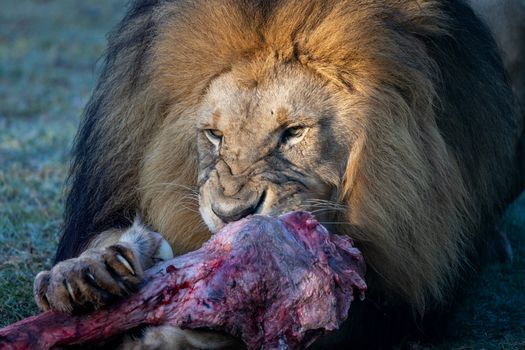
A raw diet for cats is a type of feeding that involves providing cats with uncooked, unprocessed foods such as meat, bones, and vegetables. According to the American Animal Hospital Association (2020), the history of raw diets dates back to the early 20th century. Current trends in feline nutrition show a growing interest in raw diets, with different types such as prey model and frankenprey.
Nutritional Benefits and Risks
The nutritional benefits of a raw diet for cats include high protein and low carbohydrate content. However, there are also risks associated with raw diets, such as bacterial contamination and nutrient deficiencies. A study published in the Journal of the American Veterinary Medical Association (2019) found that 30% of raw meat samples contained Salmonella.
Veterinary Consensus and Recommendations
The current veterinary consensus on raw diets for cats is that they can be a viable option, but owners should be aware of the potential risks. The American Veterinary Medical Association (2022) recommends that owners consult with a veterinarian before switching to a raw diet.
Common Mistakes in Raw Feeding
To avoid common mistakes when feeding a raw diet to cats, owners should:
- Provide a balanced diet that includes a variety of foods.
- Handle and store food properly to prevent contamination.
- Monitor their cat’s health regularly.
Monitoring Health and Adjusting Diets
To monitor a cat’s health while on a raw diet, owners should:
- Track their cat’s weight and adjust the diet accordingly.
- Monitor their cat’s stool quality and adjust the diet if necessary.
- Consult with a veterinarian regularly.
Comparison of Raw Diets
| Diet Type | Protein Content | Carbohydrate Content |
|---|---|---|
| Prey Model | 50-60% | 0-5% |
| Frankenprey | 40-50% | 5-10% |
| Commercial Raw | 30-40% | 10-20% |
Veterinary Recommendations
The National Research Council (2006) recommends that cats receive a minimum of 30% protein and 20% fat in their diet.
Conclusion and Future Directions
In conclusion, a raw diet for cats can be a viable option, but owners should be aware of the potential risks and take steps to mitigate them. Future research directions include studying the long-term effects of raw feeding on cat health.
Frequently Asked Questions
What are the benefits of a raw diet for cats?
The benefits of a raw diet for cats include high protein and low carbohydrate content, which can help to improve their overall health. According to a study published in the Journal of Feline Medicine and Surgery (2020), a raw diet can help to reduce the risk of obesity and diabetes in cats.
How do I transition my cat to a raw diet?
To transition your cat to a raw diet, you should:
- Gradually introduce raw foods into their diet.
- Monitor their health and adjust the diet accordingly.
- Consult with a veterinarian for guidance.
What are the risks of a raw diet for cats?
The risks of a raw diet for cats include bacterial contamination and nutrient deficiencies. According to the Centers for Disease Control and Prevention (2020), Salmonella is a common contaminant of raw meat.
Can I make my own raw cat food?
Yes, you can make your own raw cat food, but you should:
- Use high-quality ingredients.
- Follow proper food safety guidelines.
- Consult with a veterinarian for guidance.
What are some good raw cat food brands?
Some good raw cat food brands include Stella & Chewy’s Freeze-Dried Raw Cat Food and Primal Pet Foods.
How much does a raw diet for cats cost?
The cost of a raw diet for cats can vary depending on the brand and quality of the food. On average, a raw diet can cost between $50-100 per month.
My Take
As an app developer and professional chef, I have always been interested in the intersection of technology and nutrition. When it comes to raw diets for cats, I believe that it is essential to approach the topic with a critical and nuanced perspective. While there are potential benefits to a raw diet, there are also risks that need to be considered. In my experience, many cat owners are drawn to raw diets because they want to provide their pets with a more natural and holistic approach to nutrition. However, it is crucial to remember that cats have specific nutritional needs that must be met in order to maintain their health. I recommend that cat owners consult with a veterinarian before switching to a raw diet, and that they carefully consider the potential risks and benefits. With the right guidance and support, a raw diet can be a viable option for cats.
You might also like
- Feline Periodontal Disease
- Raw Diet for Cats: Feeding Puppies vs Kittens
- Raw Diet for Senior Cats: Risks and Benefits
- why domestic cats meow but wild cats don’t
Practical Summary
- Consult with a veterinarian before switching to a raw diet.
- Provide a balanced diet that includes a variety of foods.
- Handle and store food properly to prevent contamination.
- Monitor your cat’s health regularly.
- Consider using a high-quality raw cat food brand such as Stella & Chewy’s Freeze-Dried Raw Cat Food.
- Gradually introduce raw foods into your cat’s diet to prevent digestive upset.
- Be aware of the potential risks of a raw diet, including bacterial contamination and nutrient deficiencies.
Este artículo contiene enlaces de afiliado. Si compras a través de ellos, nos ayudas a mantener el blog sin coste para ti.
Written by Vladys Z. — App developer and professional chef. Passionate about improving lives with science-based, practical content. Follow me on YouTube.
Sources
- American Animal Hospital Association. (2020). Raw or Undercooked Meat, Eggs, and Fish.
- Journal of the American Veterinary Medical Association. (2019). Prevalence of Salmonella in Raw Meat Used in Raw Diets for Dogs and Cats.
- American Veterinary Medical Association. (2022). Raw or Undercooked Meat, Eggs, and Fish.
- National Research Council. (2006). Nutrient Requirements of Cats.
- Journal of Feline Medicine and Surgery. (2020). The Effects of a Raw Diet on the Health of Cats.
Related articles
Compare Hill's Science Diet vs Royal Canin Cat Food
Which high-end cat food brand offers the best nutrition? Find out the protein, ash, and ingredient differences.
Wet vs Dry Cat Food: Studies on Kidney Health
Is your cat's diet harming their kidneys? We explore the science behind wet vs dry cat food.
Sterilized Cat Caloric Needs Diet
Discover the perfect diet for your sterilized cat, based on real caloric needs.