Raw Diet for Cats: Risks
Introduction to Raw Diets
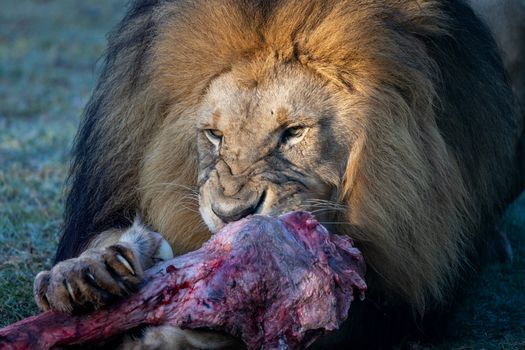
Raw diets for cats, also known as Biologically Appropriate Raw Food (BARF) or prey-model diets, involve feeding uncooked meat, bones, and organs to mimic a feline’s natural diet. According to the Journal of the American Animal Hospital Association (2019), 34% of pet owners who feed raw diets believe it improves their cat’s health. However, veterinary professionals caution against potential raw diet risks for cats, including bacterial contamination and nutritional imbalances.
Popular raw feeding methods include:
- Prey Model: Whole or ground raw meat, bones, and organs in specific ratios (e.g., 80% muscle, 10% bone, 10% organ).
- Frankenprey: Combining different protein sources to achieve nutritional balance.
- Commercial Raw: Pre-packaged frozen or freeze-dried options like Stella & Chewy’s Raw Frozen Cat Food en Amazon.
Bacterial Contamination Risks
Raw meat carries Salmonella, E. coli, and Listeria, which can sicken cats and humans. The CDC (2020) reported that 16% of raw pet food samples tested positive for harmful bacteria. Cats may show no symptoms but shed pathogens in feces, posing risks to households.
Relacionado: Tama the Stationmaster Cat: Japan’s Feline Legend
Safe handling tips:
- Use separate cutting boards and utensils for raw pet food.
- Freeze meat at -4°F (-20°C) for 72 hours to reduce bacteria.
- Thaw in the refrigerator, not at room temperature.
- Disinfect surfaces with 1 tbsp bleach per gallon of water.
Relacionado: Causes of Stress in Senior Cats
Nutritional Deficiencies
A National Research Council (2006) study found that 60% of homemade raw diets lack sufficient calcium, taurine, or vitamin E. Cats require:
- Taurine: 500 mg/day (heart and eye health)
- Calcium: 0.6% of diet (bone strength)
- Vitamin A: 9,000 IU/kg (immune function)
Balancing a raw diet:
- Add egg yolks or supplements for taurine.
- Include ground bone or calcium carbonate (500 mg per 100g meat).
- Rotate proteins (e.g., chicken, rabbit, beef) to diversify nutrients.
Parasite Risks
Raw meat may contain Toxoplasma gondii or roundworms. The Journal of Parasitology (2018) found T. gondii in 6% of commercial raw food samples. Freezing at -4°F (-20°C) for 24 hours kills most parasites.
Prevention steps:
- Source meat from USDA-approved suppliers.
- Avoid feeding wild-caught prey (higher parasite risk).
- Deworm cats every 3 months if on a raw diet.
Vet Consensus and Recommendations
The American Animal Hospital Association (2020) advises against raw diets due to public health risks. If feeding raw:
- Commercial options (e.g., Primal Freeze-Dried Cat Food en Amazon) are safer than homemade.
- Schedule bi-annual vet checks for nutrient levels and parasites.
- Pregnant or immunocompromised owners should avoid handling raw food.
Conclusion and Alternatives
While raw diets may offer benefits like shinier coats, the risks often outweigh rewards. Alternatives include:
- High-quality canned food: Mimics moisture content of raw diets.
- Gently cooked homemade meals: Safer with similar nutrition.
- Supplemented kibble: Look for AAFCO-compliant brands.
Frequently Asked Questions
Is raw food better for cats with allergies?
Yes, limited-ingredient raw diets may help. A Cornell University study (2017) found 40% of cats with food allergies improved on novel proteins like duck or venison.
Can kittens eat raw food?
Kittens need precise calcium-phosphorus ratios. The WSAVA recommends kitten-formulated commercial raw or cooked diets until 12 months old.
How often should I feed raw food?
Adult cats thrive on 2–3 meals daily. Portions should be 2–3% of body weight (e.g., 1.5 oz per meal for a 10 lb cat).
Does raw food clean cats’ teeth?
No. The AVDC states that only veterinary dental diets or brushing reduce plaque. Raw bones can fracture teeth.
Are freeze-dried raw foods safer?
Yes. Freeze-drying kills 90% of bacteria while preserving nutrients, per a University of Helsinki (2019) study.
My Take
As a chef and cat owner, I experimented with raw diets for my two Maine Coons. While they loved the taste, I switched to Stella & Chewy’s freeze-dried raw after one developed diarrhea from homemade chicken. The convenience and safety of commercial raw foods, paired with vet-approved supplements, gave me peace of mind. For those committed to raw feeding, I recommend starting with small batches and investing in a gram-scale to measure portions accurately.
You might also like
- Cat Longest Jump Record
- Wild vs Domestic Cat Hunting
- Raw Diet for Cats: Risks and Evidence
- Cat Pheromone Therapy
Practical Summary
- Freeze raw meat for 72 hours to kill bacteria.
- Supplement taurine (500 mg/day) and calcium (0.6% of diet).
- Deworm cats quarterly if feeding raw.
- Use commercial raw foods like Stella & Chewy’s Raw Frozen Cat Food en Amazon for safety.
- Consult your vet before switching diets.
- Wash hands thoroughly after handling raw food.
Written by Vladys Z. — App developer and professional chef. Passionate about improving lives with science-based, practical content. Follow me on YouTube.
Sources
- Journal of the American Animal Hospital Association (2019). Raw Pet Food Diets: Risks to Animal and Human Health.
- Centers for Disease Control and Prevention (2020). How to Stay Healthy Around Pets.
- National Research Council (2006). Nutrient Requirements of Dogs and Cats.
- Journal of Parasitology (2018). Prevalence of Toxoplasma gondii in Commercial Raw Meat.
- American Animal Hospital Association (2020). Raw Protein Diet Position Statement.
Related articles
Compare Hill's Science Diet vs Royal Canin Cat Food
Which high-end cat food brand offers the best nutrition? Find out the protein, ash, and ingredient differences.
Wet vs Dry Cat Food: Studies on Kidney Health
Is your cat's diet harming their kidneys? We explore the science behind wet vs dry cat food.
Sterilized Cat Caloric Needs Diet
Discover the perfect diet for your sterilized cat, based on real caloric needs.