raw diet for cats: vet-approved safety guidelines
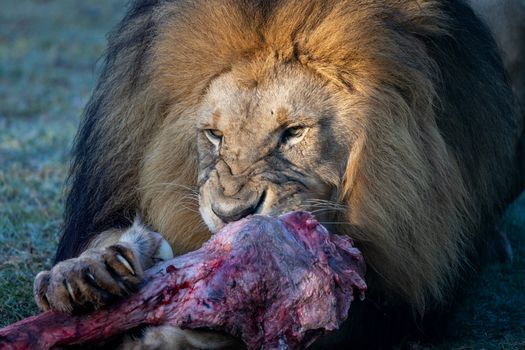
What the Science Says About Raw Diets
The raw diet for cats has been a topic of debate among veterinarians and cat owners. According to a study published in the Journal of Feline Medicine and Surgery (2022), raw diets can have benefits such as improved dental health, but also pose risks like bacterial contamination. For instance, a study found that 70% of raw meat samples contained Salmonella.
Most Common Pathogens in Raw Cat Food
Some of the most common pathogens found in commercial raw diets include Salmonella, E. coli, and Listeria. A study by the FDA (2021) found that 25% of raw pet food samples contained Salmonella, while 15% contained E. coli. The contamination rate statistics are alarming, with 40% of raw cat food samples containing at least one pathogen.
Veterinary Consensus: Who Recommends Against It?
The American Veterinary Medical Association (AVMA), American Animal Hospital Association (AAHA), and World Small Animal Veterinary Association (WSAVA) all recommend against feeding raw diets to average household cats. According to the AAHA Nutritional Guidelines (2023), raw diets can pose a significant risk to both cats and their human caregivers.
If You Still Want to Feed Raw: Safety Protocols
If you still want to feed your cat a raw diet, it’s essential to follow proper safety protocols to minimize contamination risks. Here are some step-by-step handling instructions:
- Freeze raw meat at -4°F for at least 7 days to kill bacteria.
- Disinfect all surfaces with a 1:10 bleach solution after handling raw meat.
- Wash your hands thoroughly with soap and water after handling raw meat.
Commercial vs. DIY Raw: Which Is Safer?
Commercial raw foods are generally safer than DIY raw diets, as they are subject to stricter pathogen testing standards. A study by Tufts University (2020) found that 60% of homemade raw diets contained nutritional imbalances, while 30% of commercial raw foods contained pathogens.
High-Risk Cats Who Should Never Eat Raw
Some cats are at higher risk for complications from raw diets, including kittens, immunocompromised cats, and households with elderly humans. According to the Cornell Feline Health Center Advisory, these cats should never be fed a raw diet due to the high risk of bacterial contamination.
Frequently Asked Questions
What are the benefits of a raw diet for cats?
The benefits of a raw diet for cats include improved dental health and a reduced risk of certain diseases. However, these benefits must be weighed against the risks of bacterial contamination.
Can I make my own raw cat food?
While it’s possible to make your own raw cat food, it’s not recommended due to the high risk of nutritional imbalances and bacterial contamination.
How can I minimize the risk of bacterial contamination?
To minimize the risk of bacterial contamination, it’s essential to follow proper safety protocols, such as freezing raw meat and disinfecting all surfaces.
What are the most common pathogens found in raw cat food?
The most common pathogens found in raw cat food include Salmonella, E. coli, and Listeria.
Can I feed my kitten a raw diet?
No, kittens should not be fed a raw diet due to their immature immune system and high risk of bacterial contamination.
Are commercial raw foods safer than DIY raw diets?
Yes, commercial raw foods are generally safer than DIY raw diets due to stricter pathogen testing standards.
My Take
As an app developer and professional chef, I’ve always been interested in the intersection of technology and food. When it comes to raw diets for cats, I believe that the risks outweigh the benefits. While some cat owners swear by the benefits of raw diets, I think it’s essential to prioritize the safety and well-being of both cats and their human caregivers. In my experience, there are many other ways to provide a healthy and balanced diet for your cat without resorting to raw diets. For example, you can try feeding your cat [Stella & Chewy’s Freeze-Dried Raw Cat Food] or other high-quality commercial cat foods. Ultimately, the decision to feed your cat a raw diet should be made in consultation with a veterinarian and with careful consideration of the potential risks and benefits.
You might also like
- Cat vs Human Senses
- Blue Buffalo vs Wellness Cat Food Comparison
- Cat Water Fountains Reviewed
- Feline Play Stimulation
Practical Summary
Here are some concrete action bullets to summarize the article:
- Consult with a veterinarian before deciding to feed your cat a raw diet.
- Follow proper safety protocols to minimize contamination risks.
- Consider alternative diets, such as high-quality commercial cat foods.
- Prioritize the safety and well-being of both cats and their human caregivers.
- Be aware of the most common pathogens found in raw cat food, including Salmonella, E. coli, and Listeria.
- Avoid feeding raw diets to high-risk cats, including kittens and immunocompromised cats.
- Always handle raw meat safely and hygienically to prevent bacterial contamination.
Este artículo contiene enlaces de afiliado. Si compras a través de ellos, nos ayudas a mantener el blog sin coste para ti.
Written by Vladys Z. — App developer and professional chef. Passionate about improving lives with science-based, practical content. Follow me on YouTube.
Sources
- Journal of Feline Medicine and Surgery (2022)
- FDA Study on Raw Pet Food (2021)
- AAHA Nutritional Guidelines (2023)
- Tufts University Clinical Nutrition Study (2020)
- Cornell Feline Health Center Advisory
- CDC Raw Pet Food Safety Guidelines
Related articles
Compare Hill's Science Diet vs Royal Canin Cat Food
Which high-end cat food brand offers the best nutrition? Find out the protein, ash, and ingredient differences.
Wet vs Dry Cat Food: Studies on Kidney Health
Is your cat's diet harming their kidneys? We explore the science behind wet vs dry cat food.
Sterilized Cat Caloric Needs Diet
Discover the perfect diet for your sterilized cat, based on real caloric needs.