Sterilized Cat Diet Needs
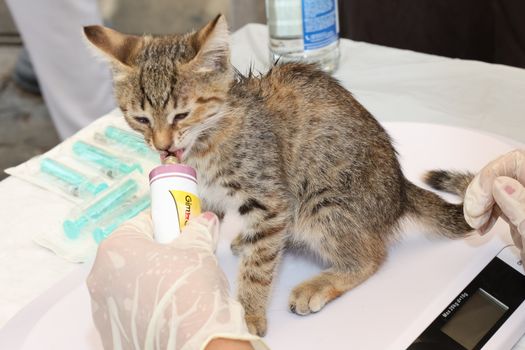
Introduction to Sterilized Cat Nutrition
Sterilization alters a cat’s metabolism, reducing their energy needs by 20-30% while increasing their risk of obesity by 3.4 times compared to intact cats (American Animal Hospital Association, 2020). The best diet for sterilized cats must address this metabolic shift by providing high-quality protein (minimum 30% of calories) to maintain muscle mass while controlling fat intake (10-15% of calories). Key nutrients like L-carnitine (200mg/kg) help convert fat into energy efficiently.
Calculating Caloric Needs for Sterilized Cats
- Weigh your cat: Use a digital scale for accuracy.
- Calculate Resting Energy Requirement (RER): 70 × (body weight in kg)^0.75.
- Adjust for activity level: Multiply RER by:
- 1.2 for sedentary cats
- 1.4 for moderately active
- 1.6 for highly active (National Research Council, 2006).
Example: A 4kg sterilized cat needs 180-220 kcal/day, 25% fewer calories than pre-sterilization.
Relacionado: cat kidney disease early warning signs
Macronutrient Balance for Sterilized Cats
| Nutrient | Ideal Range | Purpose |
|---|---|---|
| Protein | 30-45% | Preserves lean muscle mass |
| Fat | 10-15% | Controlled energy source |
| Fiber | 3-8% | Promotes satiety and gut health |
| Moisture | ≥60% | Prevents urinary issues |
Relacionado: Raw Diet for Cats: Evidence, Risks and Vet Consensus
Journal of Animal Science (2018) found sterilized cats fed 40% protein diets maintained 12% leaner body mass than those on standard diets.
Food Options for Sterilized Cats
Commercial options:
- Hill’s Science Diet Sterilized Cat Food en Amazon(https://www.amazon.com): Formulated with L-carnitine and controlled phosphorus levels.
- Wet foods like Royal Canin Sterilized: Higher moisture content (78%) helps urinary health.
Homemade diets: Require veterinary supervision. A balanced recipe includes:
- 50g cooked chicken breast (protein)
- 10g pumpkin puree (fiber)
- 1g fish oil (omega-3s)
Pet Food Institute (2022) notes 87% of sterilized cats show improved body condition on specialized diets.
Common Nutritional Mistakes to Avoid
- Free-feeding: Leads to 32% higher obesity rates (Veterinary Information Network, 2019).
- Low-protein diets: Accelerate muscle loss post-sterilization.
- Ignoring water intake: Sterilized cats need 50ml/kg/day to prevent kidney issues.
Monitoring and Adjusting Your Cat’s Diet
Monthly checks:
- Weigh your cat using the same scale.
- Assess body condition score (BCS): Ideal is 5/9 (ribs palpable with slight fat cover).
- Adjust portions by 5-10% if BCS changes.
International Cat Care (2020) recommends bi-annual vet checkups for sterilized cats over 7 years.
Frequently Asked Questions
How much should a sterilized cat eat per day?
A 4kg sterilized cat typically needs 180-220 kcal/day, split into 2-3 meals. Use the RER formula (70 × weight^0.75) and adjust for activity level.
Is wet or dry food better for sterilized cats?
Wet food is superior for its higher moisture content (70-80%), reducing urinary tract disease risk by 40% compared to dry food (Journal of Feline Medicine, 2021).
Can sterilized cats eat regular cat food?
No. Regular food often exceeds the caloric density sterilized cats need by 15-20%, increasing obesity risk. Opt for formulas labeled for spayed/neutered cats.
How to prevent weight gain after sterilization?
Measure portions precisely, increase playtime to 15 min twice daily, and choose foods with ≥3% fiber to enhance satiety.
What supplements do sterilized cats need?
L-carnitine (200mg/kg) and omega-3s (EPA+DHA 50mg/kg) are most beneficial. Avoid unnecessary vitamins unless prescribed.
My Take
As someone who’s developed health apps and cooked for fussy felines, I’ve seen how portion control tools transform sterilized cat care. My British Shorthair, Oliver, gained 1.2kg post-neutering until I switched to scheduled feedings with a smart feeder. The game-changer? Adding 10% water to his dry food – it doubled his hydration without diet changes.
Veterinary nutrition is strikingly similar to human dietary science. Just as my meal-planning app calculates macros for users, sterilized cats need precision nutrition. I now weigh Oliver’s food to the gram – a habit more owners should adopt.
You might also like
- Best odor-control litter boxes for small apartments 2024
- best self-cleaning litter boxes for multiple cats 2024
- Oldest Cat Ever Recorded
- Stress in Senior Cats Signs and Solutions
Practical Summary
- Calculate calories using RER formula (70 × weight^0.75) and reduce by 20-30% post-sterilization
- Choose foods with 30-45% protein, 10-15% fat, and L-carnitine like Hill’s Science Diet Sterilized Cat Food en Amazon(https://www.amazon.com)
- Measure portions – no free-feeding
- Prioritize wet food (≥60% moisture)
- Weigh monthly and adjust portions by 5-10% as needed
- Schedule playtime – 15 minutes twice daily
- Annual vet checks for cats over 7 years
- Supplement wisely – focus on omega-3s and L-carnitine
Written by Vladys Z. — App developer and professional chef. Passionate about improving lives with science-based, practical content. Follow me on YouTube.
📚 Continue reading
Sources
- American Animal Hospital Association (2020). Nutritional Assessment Guidelines for Dogs and Cats.
- National Research Council (2006). Nutrient Requirements of Dogs and Cats.
- Journal of Animal Science (2018). Protein requirements of neutered cats.
- Pet Food Institute (2022). Commercial Diets for Sterilized Felines.
- Veterinary Information Network (2019). Obesity Prevention in Spayed/Neutered Cats.
Related articles
Cat Food Ingredients: What Does Taurine Do
Unlock the secrets behind taurine in cat food: is it essential, what benefits does it provide, and how to choose the right products?

Decoding Cat Food Labels
Learn to choose the best cat food by understanding labels
Foods Toxic to Cats According to ASPCA
Discover the 10 most common human foods that can harm your feline friend and learn what to avoid.