sterilized cat diet needs after surgery
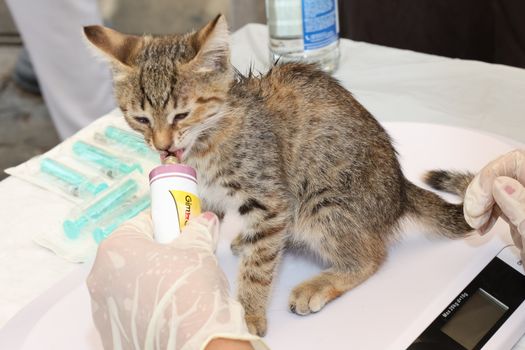
Introduction to Sterilized Cat Diet Needs After Surgery
The sterilized cat post-surgery nutrition is crucial for their recovery and long-term health. After sterilization, cats require a specific diet to support their changing metabolic needs. According to the National Research Council (NRC), the daily caloric intake for sterilized cats depends on their age, weight, and activity level.
Caloric Requirements Post-Sterilization
The NRC (2006) guidelines recommend the following daily caloric intake for sterilized cats:
| Age | Weight | Activity Level | Daily Caloric Intake |
|---|---|---|---|
| Kitten (0-1 year) | 2-5 kg | High | 250-400 kcal |
| Adult (1-7 years) | 5-10 kg | Medium | 200-350 kcal |
| Senior (7+ years) | 5-10 kg | Low | 150-250 kcal |
| These guidelines are based on the NRC (2006) Nutrient Requirements of Cats. |
Impact of Sterilization on Metabolism
Sterilization can lead to changes in feline metabolism, including a reduction in muscle mass and an increase in fat storage. A study by the Journal of Feline Medicine and Surgery (2018) found that sterilized cats are more prone to obesity due to these metabolic changes.
Optimal Protein Sources for Sterilized Cats
The best protein sources for sterilized cats include chicken, salmon, and beef, which provide essential amino acids and are highly digestible. According to a study by the British Journal of Nutrition (2015), the amino acid profile and digestibility of protein sources are crucial for feline nutrition.
Preventing Obesity in Sterilized Cats
To prevent obesity in sterilized cats, it is essential to monitor their food intake and encourage physical activity. The Association of American Feed Control Officials (AAFCO) recommends the following guidelines:
- Feed a balanced and nutrient-rich diet.
- Monitor food intake and adjust as needed.
- Encourage physical activity through play and exercise.
- Avoid overfeeding and table scraps.
- Schedule regular veterinary check-ups.
Nutritional Supplements for Sterilized Cats
Nutritional supplements can support the health of sterilized cats, but it is essential to consult with a veterinarian before adding any supplements to their diet. A review by the Journal of Animal Science (2019) found that certain supplements, such as omega-3 fatty acids and antioxidants, can provide health benefits for cats.
Conclusion and Recommendations
In conclusion, the diet needs of sterilized cats after surgery are crucial for their recovery and long-term health. A balanced and nutrient-rich diet, combined with regular veterinary check-ups and a healthy lifestyle, can support the overall health and well-being of sterilized cats. A sample diet plan for a sterilized cat may include Wellness CORE Grain-Free Sterilized Cat Food and other nutrient-rich foods.
Frequently Asked Questions
What is the best food for sterilized cats?
The best food for sterilized cats is a balanced and nutrient-rich diet that meets their specific nutritional needs. According to the World Health Organization (WHO), a healthy diet is essential for maintaining overall health and well-being.
How often should I feed my sterilized cat?
The frequency of feeding depends on the individual cat’s needs and activity level. Generally, sterilized cats require 2-3 meals per day, according to the Mayo Clinic.
Can I give my sterilized cat supplements?
Yes, certain supplements can support the health of sterilized cats, but it is essential to consult with a veterinarian before adding any supplements to their diet. The National Institutes of Health (NIH) recommends consulting with a veterinarian before giving any supplements to cats.
How can I prevent obesity in my sterilized cat?
To prevent obesity in sterilized cats, it is essential to monitor their food intake and encourage physical activity. The American Animal Hospital Association (AAHA) recommends regular veterinary check-ups and a healthy lifestyle to prevent obesity in cats.
What are the health benefits of sterilization for cats?
Sterilization can provide several health benefits for cats, including reducing the risk of certain cancers and preventing unwanted breeding. According to the American Society for the Prevention of Cruelty to Animals (ASPCA), sterilization is a crucial step in maintaining the health and well-being of cats.
My Take
As an app developer and professional chef, I understand the importance of nutrition for overall health and well-being. When it comes to sterilized cats, it is essential to provide a balanced and nutrient-rich diet that meets their specific nutritional needs. I recommend consulting with a veterinarian to determine the best diet plan for your sterilized cat.
You might also like
- Feline Multicat Household Stress
- Decoding Cat Food Labels
- feline cholangiohepatitis symptoms treatment
- best diet for sterilized cats after 1 year
Practical Summary
Here are some concrete action bullets to support the health and well-being of sterilized cats:
- Feed a balanced and nutrient-rich diet.
- Monitor food intake and adjust as needed.
- Encourage physical activity through play and exercise.
- Avoid overfeeding and table scraps.
- Schedule regular veterinary check-ups.
- Consider adding nutritional supplements to their diet, but only after consulting with a veterinarian.
- Provide a healthy and comfortable living environment.
Written by Vladys Z. — App developer and professional chef. Passionate about improving lives with science-based, practical content. Follow me on YouTube.
Sources
- National Research Council (NRC). (2006). Nutrient Requirements of Cats.
- Journal of Feline Medicine and Surgery. (2018). Effects of Spaying/Neutering on Feline Metabolism.
- British Journal of Nutrition. (2015). Amino Acid Profile and Digestibility of Protein Sources for Cats.
- Association of American Feed Control Officials (AAFCO). (2020). Guidelines for the Care and Management of Obese Cats.
- Journal of Animal Science. (2019). Nutritional Supplements for Feline Health.
Related articles
Compare Hill's Science Diet vs Royal Canin Cat Food
Which high-end cat food brand offers the best nutrition? Find out the protein, ash, and ingredient differences.
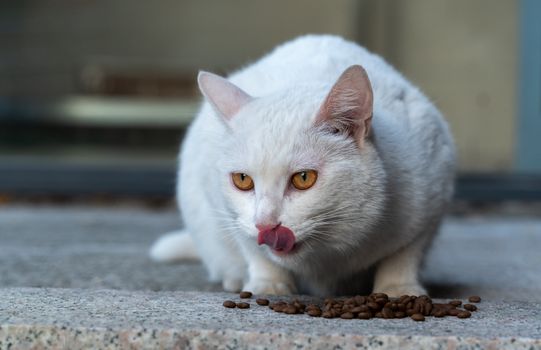
Wet vs Dry Cat Food: Studies on Kidney Health
Is your cat's diet harming their kidneys? We explore the science behind wet vs dry cat food.
Sterilized Cat Caloric Needs Diet
Discover the perfect diet for your sterilized cat, based on real caloric needs.