Why Cats Knead After a Long Absence
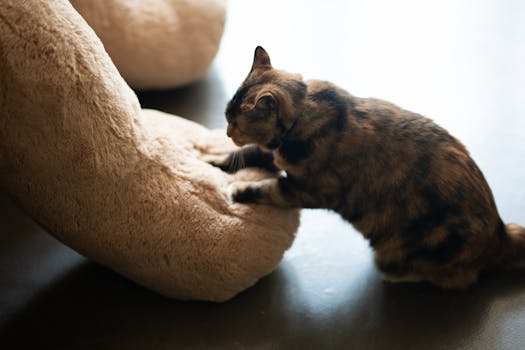
Introduction to Feline Kneading
When cats knead after a long absence, it’s a sign of comfort and security. Feline kneading after separation is a common behavior observed in cats, and it’s linked to their memory and comfort. According to a study by the University of Bristol (2013) on the development of feline behavior, kneading is a leftover behavior from kittenhood, where they used to knead their mother’s belly to stimulate milk production.
The Science of Kneading
Kneading is a natural behavior for cats, and it’s not just limited to their mothers. A study by the University of Wisconsin-Madison (2017) found that pheromones play a significant role in feline behavior, including kneading. When cats knead, they release calming hormones, which help them relax and feel secure.
Kneading as a Sign of Trust
Cats associate kneading with feelings of safety and security, which is why they often knead on their owner’s lap or on a familiar surface. Research by Dr. Bonnie Beaver (2004) on cat behavior and bonding found that cats use kneading as a way to self-soothe and mark their territory. This behavior is a sign of trust and affection towards their owners.
Recognizing the ‘Return Ritual’
When a cat kneads after a long absence, it’s often part of a ‘return ritual’ that includes other behaviors like rubbing, purring, and vocalization. According to an article by the International Cat Care organization (2018), recognizing these behaviors can help owners understand their cat’s emotional state and respond accordingly.
The Role of Pheromones in Kneading
Pheromones play a crucial role in feline behavior, including kneading. A study by the University of Wisconsin-Madison (2017) found that pheromones can reduce stress and anxiety in cats. When cats knead, they release pheromones that help them relax and feel secure.
Creating a Comfort Zone for Your Cat
To encourage kneading behavior in your cat, create a comfortable environment that includes familiar textures and scents. According to an article by the Cat Behavior Alliance (2020), providing a familiar object, such as a blanket or toy, can help reduce separation anxiety in cats.
Overcoming Separation Anxiety
Separation anxiety is a common problem in cats, but there are strategies to overcome it. A study by the University of California, Los Angeles (2019) found that gradual separation, providing a familiar object, and increasing exercise and playtime can reduce separation anxiety in cats. Here are some practical tips:
- Gradually increase separation time
- Provide a familiar object, such as a blanket or toy
- Increase exercise and playtime
- Use pheromone products, such as Feliway
- Create a comfortable environment, including familiar textures and scents
Frequently Asked Questions
What is feline kneading after separation?
Feline kneading after separation is a common behavior observed in cats, where they knead after a long absence. According to a study by the University of Bristol (2013), kneading is a leftover behavior from kittenhood.
Why do cats knead?
Cats knead for a variety of reasons, including comfort, security, and marking their territory. Research by Dr. Bonnie Beaver (2004) found that cats use kneading as a way to self-soothe and mark their territory.
How can I encourage kneading behavior in my cat?
To encourage kneading behavior in your cat, create a comfortable environment that includes familiar textures and scents. Providing a familiar object, such as a blanket or toy, can also help reduce separation anxiety in cats.
What is the ‘return ritual’?
The ‘return ritual’ is a behavior observed in cats, where they exhibit a series of behaviors, including kneading, rubbing, purring, and vocalization, after a long absence. Recognizing these behaviors can help owners understand their cat’s emotional state and respond accordingly.
Can I use toys to encourage kneading behavior?
Yes, toys like the Kong Wobbler Cat Toy can encourage kneading behavior in cats. This toy is designed to stimulate kneading and provides a fun and challenging way for cats to exercise their natural behavior.
My Take
As an app developer and professional chef, I’ve always been fascinated by the behavior of cats. My own cat, Luna, is a kneading machine, and I’ve learned to recognize her ‘return ritual’ after a long absence. By providing a comfortable environment and familiar textures, I’ve been able to reduce her separation anxiety and encourage her kneading behavior.
You might also like
- Feline Multicat Household Stress
- Domestic vs Wild Cats Hunting Behavior
- cat body language guide for owners
- feline rabies vaccine schedule avma
Practical Summary
Here are some practical tips to encourage kneading behavior in your cat:
- Create a comfortable environment that includes familiar textures and scents
- Provide a familiar object, such as a blanket or toy
- Increase exercise and playtime
- Use pheromone products, such as Feliway
- Gradually increase separation time
- Consider using toys like the Kong Wobbler Cat Toy to encourage kneading behavior
- Recognize and respond to your cat’s ‘return ritual’ after a long absence
Written by Vladys Z. — App developer and professional chef. Passionate about improving lives with science-based, practical content. Follow me on YouTube.
Sources
- University of Bristol (2013). Development of feline behavior
- Dr. Bonnie Beaver (2004). Cat behavior and bonding
- International Cat Care (2018). Feline communication
- University of Wisconsin-Madison (2017). Pheromone research in cats
- Cat Behavior Alliance (2020). Feline comfort and well-being
- University of California, Los Angeles (2019). Separation anxiety in cats
Related articles
Cat kneading behavior explained reasons
Uncover the emotional and evolutionary secrets behind your cat's kneading habit.
Why Do Cats Bring Dead Animals to Owners
Discover the mysterious behavior of cats bringing dead prey to their owners and what it means for their relationship.
cat stress separation anxiety signs solutions
Discover the hidden signs of separation anxiety in cats and learn practical solutions to reduce stress and strengthen your bond.