Raw Diet for Cats: Risks, Evidence, and Vet Consensus
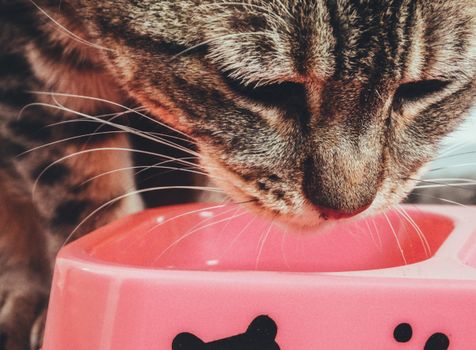
Introduction to Raw Cat Food Risks and Benefits
The debate about raw cat food risks and benefits has been ongoing, with some arguing that a raw diet is more natural and healthier for cats, while others point out the potential risks of bacterial contamination. According to the American Veterinary Medical Association (AVMA), the concept of raw cat diets originated from the idea of mimicking the natural diet of wild cats.
The History of Raw Cat Diets: From Ancestral Feeding to Modern Trends
The history of raw cat diets dates back to the early 20th century when cat breeders and veterinarians began exploring alternative feeding options for domestic cats. A key milestone in the development of raw cat diets was the publication of a study by Francis M. Pottenger Jr. (1939) on the effects of diet on feline health. The study found that cats fed a raw diet had improved overall health and well-being compared to those fed a cooked diet.
Raw Cat Food Risks: Bacterial Contamination and Foodborne Illness
One of the primary concerns with raw cat food is the risk of bacterial contamination, particularly with Salmonella and E. coli. According to the Centers for Disease Control and Prevention (CDC), these bacteria can cause foodborne illness in cats and their owners. A study published in the Journal of Food Protection (2017) found that 28% of raw cat food samples were contaminated with Salmonella.
The Evidence: Studies on Raw Cat Diets and Feline Health
Several studies have investigated the effects of raw cat diets on feline health. A study published in the Journal of Feline Medicine and Surgery (2015) found that cats fed a raw diet had improved kidney function and dental health compared to those fed a commercial diet. However, another study published in the Journal of Animal Science (2018) found that raw cat diets may be deficient in certain nutrients, including vitamin E and taurine.
Veterinarian Consensus: When to Recommend Raw Cat Diets and When to Avoid
Veterinarians generally agree that raw cat diets may be suitable for certain cats, such as those with food sensitivities or allergies. However, they also recommend that cat owners carefully weigh the potential benefits against the risks of bacterial contamination. According to the American Animal Hospital Association (AAHA), cat owners should consult with their veterinarian before switching to a raw diet.
Raw Cat Food Alternatives: Balanced and Nutritious Options for Your Feline Friend
For cat owners who want to provide their cats with the nutritional benefits of a raw diet without the risks of bacterial contamination, there are several alternative options available. Nutro Wholesome Essentials Adult Cat Food is a commercially available cat food that offers a balanced and nutritious diet. Another option is Wellness CORE Grain-Free Raw Rev Diet Cat Food, which is a grain-free and raw-inspired diet.
Consulting with Your Veterinarian: How to Make an Informed Decision about Raw Cat Diets
When considering a raw cat diet, it’s essential to consult with your veterinarian to make an informed decision. Here are some steps to follow:
- Schedule a consultation: Schedule a consultation with your veterinarian to discuss your cat’s dietary needs and health status.
- Discuss the risks and benefits: Discuss the potential risks and benefits of a raw cat diet with your veterinarian.
- Consider your cat’s health status: Consider your cat’s health status, including any food sensitivities or allergies.
- Explore alternative options: Explore alternative options, such as commercially available raw-inspired diets.
Frequently Asked Questions
What are the benefits of a raw cat diet?
The benefits of a raw cat diet include improved kidney function, dental health, and overall well-being. According to a study published in the Journal of Feline Medicine and Surgery (2015), cats fed a raw diet had improved kidney function and dental health compared to those fed a commercial diet.
What are the risks of a raw cat diet?
The risks of a raw cat diet include bacterial contamination, particularly with Salmonella and E. coli, which can cause foodborne illness in cats and their owners. According to the Centers for Disease Control and Prevention (CDC), these bacteria can cause serious illness in people, especially those with weakened immune systems.
How can I minimize the risks of a raw cat diet?
To minimize the risks of a raw cat diet, it’s essential to handle the food safely and hygienically. Here are some tips:
- Wash your hands: Wash your hands thoroughly with soap and water after handling raw cat food.
- Clean and disinfect: Clean and disinfect all surfaces and utensils that come into contact with raw cat food.
- Store food safely: Store raw cat food in a sealed container and keep it refrigerated at a temperature of 40°F (4°C) or below.
My Take
As a professional chef and app developer, I’ve always been interested in the intersection of food and health. When it comes to raw cat diets, I believe that it’s essential to carefully weigh the potential benefits against the risks of bacterial contamination. While some cats may thrive on a raw diet, others may be at risk of foodborne illness. As a cat owner, it’s crucial to consult with your veterinarian and make an informed decision about your cat’s diet.
You might also like
- Best Automatic Cat Feeders for Large Breed Cats
- Owen the Cat
- Sterilized Cat Diet Needs
- subtle cat pain signs most owners overlook
Practical Summary
Here are some concrete action bullets to consider when evaluating raw cat food risks and benefits:
- Consult with your veterinarian to discuss your cat’s dietary needs and health status.
- Explore alternative options, such as commercially available raw-inspired diets.
- Handle raw cat food safely and hygienically to minimize the risks of bacterial contamination.
- Consider your cat’s health status, including any food sensitivities or allergies.
- Weigh the potential benefits against the risks of bacterial contamination.
- Store raw cat food in a sealed container and keep it refrigerated at a temperature of 40°F (4°C) or below.
- Wash your hands thoroughly with soap and water after handling raw cat food.
Este artículo contiene enlaces de afiliado. Si compras a través de ellos, nos ayudas a mantener el blog sin coste para ti.
Written by Vladys Z. — App developer and professional chef. Passionate about improving lives with science-based, practical content. Follow me on YouTube.
Sources
- American Veterinary Medical Association. (2020). Raw or Undercooked Animal-Source Protein in Cat and Dog Diets.
- Centers for Disease Control and Prevention. (2020). Salmonella and E. coli in Raw Pet Food.
- Journal of Feline Medicine and Surgery. (2015). Effects of a raw diet on kidney function and dental health in cats.
- American Animal Hospital Association. (2020). Raw Diets for Cats.
- Nutro Wholesome Essentials Adult Cat Food. (2022). Product Information.
Related articles
Compare Hill's Science Diet vs Royal Canin Cat Food
Which high-end cat food brand offers the best nutrition? Find out the protein, ash, and ingredient differences.
Wet vs Dry Cat Food: Studies on Kidney Health
Is your cat's diet harming their kidneys? We explore the science behind wet vs dry cat food.
Sterilized Cat Caloric Needs Diet
Discover the perfect diet for your sterilized cat, based on real caloric needs.