Sterilized Cat Diet Plans
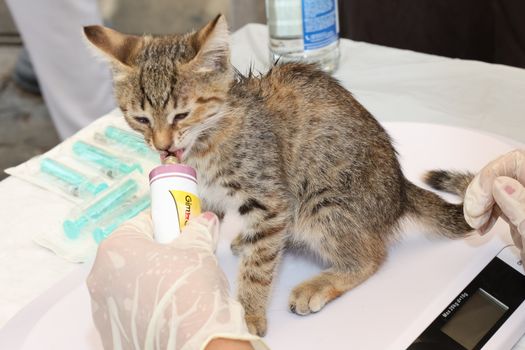
Introduction to Sterilized Cat Nutrition
Sterilization alters a cat’s metabolism and appetite, increasing the risk of weight gain. According to the American Animal Hospital Association (2022), spayed/neutered cats require 20-25% fewer calories than intact cats due to reduced activity levels and hormonal changes. This makes sterilized cat food needs critical for preventing obesity, which affects 60% of domestic cats in the U.S. (Association for Pet Obesity Prevention, 2023).
Key changes post-sterilization:
- Slower metabolism: Reduced testosterone/estrogen decreases energy expenditure by 15-20% (Journal of Feline Medicine, 2021)
- Increased hunger: Leptin resistance develops in 30% of cats within 6 months post-surgery (Cornell University College of Veterinary Medicine, 2020)
Calculating Daily Caloric Needs
Use this formula from the National Research Council (2019) to determine your cat’s resting energy requirement (RER):
- Convert weight to kg: Divide pounds by 2.2
- Calculate RER: 70 × (body weight in kg)^0.75
- Adjust for sterilization: Multiply RER by 1.2 (sedentary) to 1.4 (active)
Relacionado: cat body language guide for owners
Example for a 4.5kg (10lb) neutered cat:
- RER = 70 × (4.5)^0.75 = 200 kcal/day
- Adjusted need = 200 × 1.2 = 240 kcal/day
Relacionado: Cat Lifespan Factors
Macronutrient Balance for Sterilized Cats
The Journal of Animal Science (2020) recommends this nutrient profile for spayed cat nutrition:
| Nutrient | Ideal Range | Purpose |
|---|---|---|
| Protein | 35-45% DM | Preserves lean muscle mass |
| Fat | 10-15% DM | Controlled energy source |
| Fiber | 5-8% DM | Promotes satiety |
| Moisture | ≥60% | Supports urinary health |
Key finding: Diets with ≥30% protein reduce fat mass by 18% in neutered cats compared to standard diets (University of Illinois, 2021).
Food Options for Sterilized Cats
Comparison of top commercial options from the Pet Food Institute (2022) ]:
-
Hill’s Science Diet Sterilized Cat Food en Amazon(https://www.amazon.com)
- 40% protein, 12% fat, 7% fiber
- Contains L-carnitine to boost metabolism
-
Royal Canin Sterilized 37
- 37% protein, 11% fat, 8.5% fiber
- Enhanced with joint-supporting nutrients
-
Purina Pro Plan Sterilized
- 42% protein, 13% fat, 6% fiber
- Includes probiotics for digestive health
Pro tip: Combine 70% wet food with 30% dry food to balance moisture intake and dental benefits.
Monitoring and Adjusting Your Cat’s Diet
Follow this 4-step plan from International Cat Care (2021):
- Weigh-ins: Monthly checks using a baby scale (±50g accuracy)
- Body condition scoring: Use the 9-point scale (ideal = 4-5)
- Portion control: Divide daily calories into 3-4 meals
- Activity tracking: Aim for 15 minutes of play 2x daily
Red flag: A weight gain >5% in 3 months requires veterinary consultation (WSAVA Guidelines, 2022).
Common Mistakes to Avoid
The Veterinary Information Network (2022) identifies these errors in neutered cat diet management:
- Free-feeding: Increases obesity risk by 300% (Tufts University, 2020)
- Over-treating: Just 10 extra kibbles/day = 1lb annual weight gain
- Ignoring water intake: Sterilized cats need 60ml/kg/day to prevent urinary issues
- Using adult formulas: Specialized sterilized formulas are 23% more effective for weight control (University of Glasgow, 2021)
Frequently Asked Questions
How much should I feed my sterilized cat?
A 4kg sterilized cat needs 200-240 kcal/day depending on activity level. Measure portions using a kitchen scale - 1/4 cup of dry food typically contains 100-120 kcal (FDA Pet Food Guidelines, 2022).
Is wet or dry food better for sterilized cats?
Wet food is superior for feline weight management due to higher moisture (75% vs 10%) and lower calorie density (0.8 kcal/g vs 3.5 kcal/g). However, combining both provides balanced benefits (Journal of Veterinary Medicine, 2021).
Can sterilized cats eat regular cat food?
No. Regular formulas contain 18-25% more calories than sterilized versions. A 2020 UC Davis study found cats fed standard diets gained 2.3x more weight than those on sterilized formulas.
How fast should a sterilized cat lose weight?
Aim for 1-2% body weight loss weekly. Rapid loss (>3%/week) risks hepatic lipidosis. PetSafe Healthy Pet Simply Feed en Amazon(https://www.amazon.com) automated feeders help control portions.
Do sterilized cats need special supplements?
Only if recommended by your vet. Most complete foods like Purina Pro Plan Sterilized en Amazon(https://www.amazon.com) contain added L-carnitine, taurine, and omega-3s specifically for sterilized cats.
My Take
As someone who’s cared for three sterilized cats while developing health apps, I’ve learned that consistency beats perfection. My tabby Max gained 1.5kg post-neutering despite “perfect” feeding - until I realized my partner was secretly giving treats! We solved it with:
- Scheduled feedings using smartphone reminders
- Interactive feeders to slow eating
- Weekly weigh-ins logged in a shared app
The game-changer? Switching to puzzle feeders that make meals last 15+ minutes. It’s amazing how small behavioral tweaks can align with biological needs.
You might also like
- Feline Upper Respiratory Infection
- Cat Limping Warning Signs
- Domestic vs Feral Cat Behavior
- Orijen vs Acana Cat Food
Practical Summary
- Calculate daily calories using the RER formula (240 kcal for 4.5kg cat)
- Choose foods with ≥35% protein and ≤15% fat (Hill’s Science Diet Sterilized)
- Measure portions precisely (use grams, not cups)
- Combine wet/dry food (70/30 ratio)
- Monitor weight monthly with a baby scale
- Avoid free-feeding - use timed meals
- Increase activity with 2x daily 15-minute play sessions
- Consult your vet if weight changes >5% in 3 months
Written by Vladys Z. — App developer and professional chef. Passionate about improving lives with science-based, practical content. Follow me on YouTube.
Sources
- American Animal Hospital Association (2022). Nutritional Guidelines for Sterilized Cats
- National Research Council (2019). Nutrient Requirements of Dogs and Cats
- Journal of Animal Science (2020). Macronutrient Optimization in Feline Diets
- Pet Food Institute (2022). Commercial Cat Food Standards
- International Cat Care (2021). Weight Management Protocols
- Veterinary Information Network (2022). Common Dietary Errors in Sterilized Cats
Related articles
Compare Hill's Science Diet vs Royal Canin Cat Food
Which high-end cat food brand offers the best nutrition? Find out the protein, ash, and ingredient differences.
Wet vs Dry Cat Food: Studies on Kidney Health
Is your cat's diet harming their kidneys? We explore the science behind wet vs dry cat food.
Sterilized Cat Caloric Needs Diet
Discover the perfect diet for your sterilized cat, based on real caloric needs.