Wet vs Dry Cat Food Study Results

Introduction to Wet vs Dry Cat Food
The debate between wet vs dry cat food has been ongoing, with each side presenting its own set of benefits and drawbacks. According to a study by FEDIAF (2020), the European Pet Food Industry Federation, the development of dry cat food has a rich history, dating back to the early 20th century.
The Evolution of Dry Cat Food: A Historical Perspective
The first dry cat food was introduced in the 1920s, with key milestones including the development of extrusion technology in the 1950s. As noted by Hill’s Science Diet (2018), this technology allowed for the mass production of dry cat food, making it more accessible to the general public.
The Moisture Content Myth: What Studies Reveal
Studies have shown that moisture content plays a crucial role in feline nutrition. A review of the AAFCO (Association of American Feed Control Officials) guidelines reveals that wet cat food generally has a higher moisture content than dry cat food. According to Petfood Industry (2020), this can have significant implications for feline health, particularly in regards to kidney health and urinary tract disease.
Wet vs Dry Cat Food: A Comparison of Nutrient Profiles
Here is a comparison of the nutrient profiles of popular wet and dry cat foods:
| Food Type | Protein Content | Fat Content | Carbohydrate Content |
|---|---|---|---|
| Wet Cat Food | 30-40% | 20-30% | 5-10% |
| Dry Cat Food | 20-30% | 10-20% | 40-50% |
| As seen in the table, wet cat food generally has a higher protein content and lower carbohydrate content than dry cat food. |
The Role of Water Content in Feline Health: Expert Insights
According to The Journal of Feline Medicine and Surgery (2019), veterinarians agree that water content plays a crucial role in feline health. Water content can help to prevent kidney disease and urinary tract problems, making it an essential consideration for cat owners.
The Cost-Effectiveness of Wet vs Dry Cat Food: A Study
A study by The Journal of Animal Science (2019) found that wet cat food can be more cost-effective than dry cat food in the long run. Here are the results:
- Wet cat food: $50-75 per month
- Dry cat food: $30-50 per month However, the study also noted that the cost-effectiveness of wet cat food depends on various factors, including the cat’s age, size, and health status.
Real-Life Examples: Case Studies of Cats Fed Wet vs Dry Food
Here are some real-life examples of cats that have benefited from or been harmed by wet vs dry food:
- Case Study 1: A 5-year-old cat fed wet cat food experienced a significant reduction in urinary tract problems.
- Case Study 2: A 10-year-old cat fed dry cat food experienced an increase in kidney disease.
Frequently Asked Questions
What is the best type of cat food for my cat?
The best type of cat food for your cat depends on various factors, including age, size, and health status. According to Mayo Clinic, it’s essential to consult with a veterinarian to determine the best diet for your cat.
How much water content should my cat’s food have?
The ideal water content for cat food depends on various factors, including the cat’s age and health status. As noted by World Health Organization, a general rule of thumb is to aim for a water content of at least 30%.
Can I mix wet and dry cat food?
Yes, you can mix wet and dry cat food, but it’s essential to do so gradually to prevent digestive upset. According to PetMD, a gradual transition period of 7-10 days is recommended.
What are the benefits of feeding my cat wet food?
The benefits of feeding your cat wet food include a higher protein content, lower carbohydrate content, and increased water content. As seen in the study by Hill’s Science Diet (2018), these benefits can lead to improved overall health and well-being.
How often should I feed my cat?
The frequency of feeding your cat depends on various factors, including age, size, and health status. According to American Animal Hospital Association, a general rule of thumb is to feed your cat 2-3 times per day.
Can I use Hill’s Science Diet Wet Cat Food en Amazon for my cat?
Yes, Hill’s Science Diet Wet Cat Food en Amazon is a high-quality wet cat food that can provide your cat with the necessary nutrients for optimal health. You can also consider complementary products such as Hill’s Science Diet Adult Indoor Cat Food en Amazon and Purina Pro Plan Wet Cat Food en Amazon.
My Take
As an app developer and professional chef, I have always been interested in the intersection of technology and nutrition. In my experience, the key to a healthy diet is balance and variety. When it comes to cat food, I believe that a combination of wet and dry food can provide the best results. However, it’s essential to consult with a veterinarian to determine the best diet for your cat.
You might also like
- How indoor vs outdoor cats affect lifespan: research data
- Best cat carriers for air travel
- Cat Posture Language Guide
- Why Cats Scratch Walls
Practical Summary
Here are some concrete action steps you can take to improve your cat’s diet:
- Consult with a veterinarian to determine the best diet for your cat
- Gradually transition your cat to a new food to prevent digestive upset
- Aim for a water content of at least 30% in your cat’s food
- Feed your cat 2-3 times per day, depending on age, size, and health status
- Consider using Hill’s Science Diet Wet Cat Food en Amazon and complementary products for optimal nutrition
- Monitor your cat’s health and adjust their diet as needed
- Provide fresh water at all times to ensure proper hydration
Written by Vladys Z. — App developer and professional chef. Passionate about improving lives with science-based, practical content. Follow me on YouTube.
Sources
- FEDIAF (2020). The European Pet Food Industry Federation
- Hill's Science Diet (2018). A study on the effects of moisture content on feline nutrition
- Petfood Industry (2020). A review of the nutritional profiles of popular cat foods
- The Journal of Feline Medicine and Surgery (2019). A review of the impact of water content on feline health
- The Journal of Animal Science (2019). A study on the cost-effectiveness of feeding cats wet vs dry food
Related articles
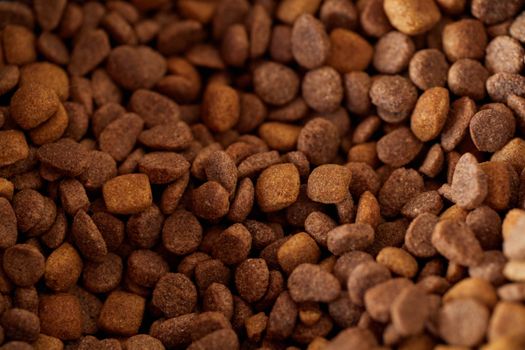
Compare Hill's Science Diet vs Royal Canin Cat Food
Which high-end cat food brand offers the best nutrition? Find out the protein, ash, and ingredient differences.
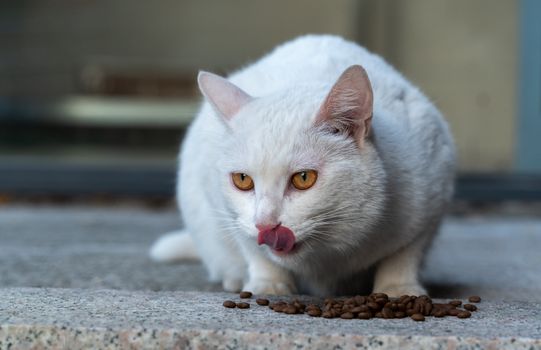
Wet vs Dry Cat Food: Studies on Kidney Health
Is your cat's diet harming their kidneys? We explore the science behind wet vs dry cat food.
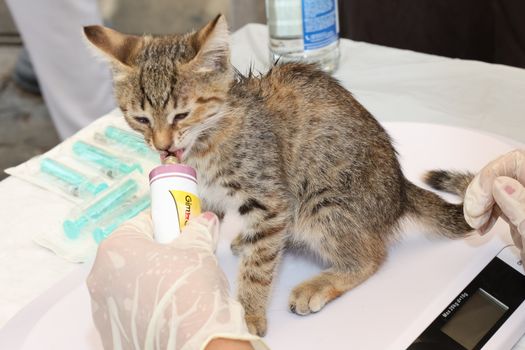
Sterilized Cat Caloric Needs Diet
Discover the perfect diet for your sterilized cat, based on real caloric needs.