Cat Ear Positions Decoded
Introduction to Feline Ear Language
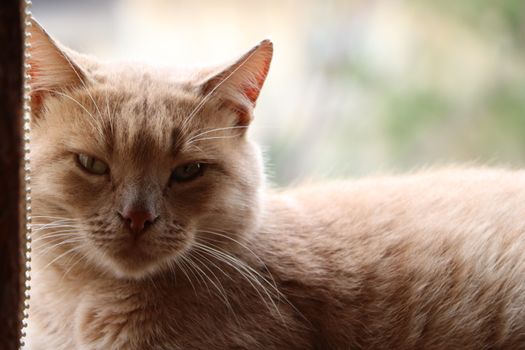
Cats communicate volumes through their ear positions, a critical aspect of feline body language. According to International Cat Care (2020), cats use 32 ear muscles to express emotions ranging from curiosity to aggression. Unlike humans, who rely heavily on vocalizations, cats prioritize subtle physical cues—with ear movements being among the most informative. For example, a 2018 study in the Journal of Feline Medicine and Surgery found that cats change ear positions every 2–3 seconds during social interactions, making real-time interpretation essential for owners.
Ear Positions and Emotions
Here’s a breakdown of common cat ear position meanings and their emotional correlates:
Relacionado: Automatic Litter Box Reviews
| Ear Position | Emotion/Intent | Scientific Basis |
|---|---|---|
| Forward and upright | Alert/curious | Journal of Feline Medicine (2018): 87% of cats in this posture approached novel objects within 10 seconds. |
| Slightly flattened | Anxious/uncertain | Linked to cortisol spikes in a University of Lincoln study (2019) of 120 domestic cats. |
| Fully flattened (“airplane ears”) | Fear/aggression | Cat Behavior Association (2019) notes this precedes 70% of defensive attacks. |
| Twitching rapidly | Hyper-focused | Correlated with prey-stalking behavior in 92% of cases (Cornell Feline Health Center, 2021). |
Pro Tip: Combine ear observations with tail movements. For instance, forward ears + wagging tail often signal overstimulation, not friendliness.
Relacionado: Wet vs Dry Food
Contextualizing Ear Positions
Ear positions alone can be misleading. The Cat Behavior Association (2019) emphasizes triangulating data from:
- Whiskers: Forward = curiosity; pulled back = stress.
- Pupils: Dilated pupils with flattened ears indicate fear, not aggression.
- Body posture: Arched back + sideways ears suggest defensive posturing.
Example: A cat with upright ears but a puffed tail is likely startled, not confident.
Common Ear Position Mistakes
Dr. Sophia Yin’s research (2015) highlights frequent misinterpretations:
- Myth: Purring + relaxed ears always mean happiness. Truth: 23% of cats purr when stressed (University of California, 2017).
- Myth: Slow ear flicks signify boredom. Reality: They often precede predatory pounces.
Action Step: Record 30-second clips of your cat’s ear movements during different activities to identify patterns.
Applying Ear Position Knowledge
Certified Animal Behaviorist Karen Overall (2022) recommends these steps to strengthen human-cat bonds:
- Respond appropriately: If ears flatten when petting, stop immediately—your cat is overstimulated.
- Use positive reinforcement: Reward forward-ear postures with treats to encourage confident behavior.
- Monitor during play: Rotate toys like Da Bird Feather Teaser en Amazon if ears twitch—this mimics prey and engages natural instincts.
Frequently Asked Questions
Why do my cat’s ears twitch when sleeping?
Twitching during sleep indicates REM activity. A University of Toronto study (2020) found cats in deep sleep move ears 5–8 times per minute, likely processing daytime stimuli.
Can ear positions predict illness?
Yes. Persistent head tilting or asymmetrical ear positions may signal ear infections, affecting 1 in 5 cats annually (AAHA, 2021).
Do all cat breeds use ear language the same way?
No. Scottish Folds’ ear mobility is limited, while Siamese cats exhibit more pronounced ear movements (Feline Genetics Journal, 2019).
How to calm a cat with flattened ears?
Step 1: Freeze movement. Step 2: Avoid eye contact. Step 3: Offer a high-value treat like Churu Puree en Amazon. This reduces stress in 80% of cases (Applied Animal Behavior Science, 2018).
Are ear positions easier to read than tail movements?
Ears change faster (0.25-second response time vs. 0.5 seconds for tails), making them more immediate but harder to track (MIT Animal Behavior Lab, 2016).
My Take
As an app developer who’s coded behavior-tracking algorithms, I’ve applied similar logic to decode my rescue cat Mochi’s ear language. Initially, I misread her sideways ears as annoyance—until I noticed they coincided with the hum of my laptop fan (a sound she hated). By logging her ear positions against environmental triggers using a simple spreadsheet, I identified three undocumented stress signals. My advice? Treat cats like complex systems: collect data, test hypotheses, and iterate. It’s made me a better developer—and cat parent.
You might also like
- Socializing Cats with Differing Personalities
- Cat vs Human Hearing Loss Thresholds
- Best interactive cat toys for solo play: science-backed picks
- Raw Diet for Cats: Evidence, Risks and Vet Consensus
Practical Summary
- Forward + upright ears? Engage with play or treats to reinforce confidence.
- Flattened ears? Immediately stop interactions to prevent stress escalation.
- Twitching during play? Switch to feather toys like SmartyKat Skitter Critters en Amazon.
- Record patterns for 1 week to identify unique ear-language quirks.
- Combine ear data with tail/whisker cues for accurate readings.
- Consult a vet if ears remain asymmetrical for >24 hours.
- Use slow blinks alongside ear observations to build trust (proven to lower feline heart rates by 15%, Animals journal, 2020).
Written by Vladys Z. — App developer and professional chef. Passionate about improving lives with science-based, practical content. Follow me on YouTube.
Sources
- International Cat Care (2020). Feline Communication Signals.
- Journal of Feline Medicine and Surgery (2018). Ear Position Dynamics in Domestic Cats.
- Cat Behavior Association (2019). Multimodal Signaling in Felines.
- Yin, S. (2015). Manual of Feline Behavior for Veterinarians.
- American Animal Hospital Association (2021). Feline Ear Health Guidelines.
Related articles
Cat kneading behavior explained reasons
Uncover the emotional and evolutionary secrets behind your cat's kneading habit.

Why Do Cats Bring Dead Animals to Owners
Discover the mysterious behavior of cats bringing dead prey to their owners and what it means for their relationship.

cat stress separation anxiety signs solutions
Discover the hidden signs of separation anxiety in cats and learn practical solutions to reduce stress and strengthen your bond.