Cat Kneading Behavior Explained
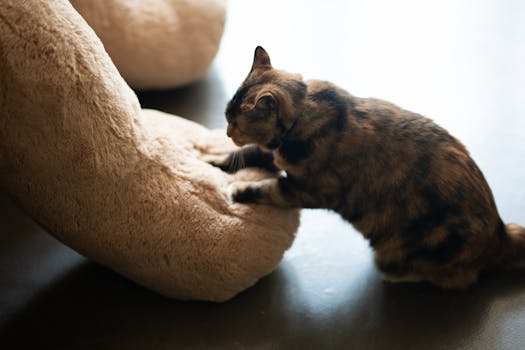
Introduction to Kneading Behavior
The cat kneading behavior reasons are multifaceted, including comfort, stress relief, and evolutionary instincts. According to International Cat Care, 2020, kneading is a natural behavior observed in cats, characterized by the rhythmic pressing of paws against a surface. There are two primary types of kneading: kneading for comfort, often seen in relaxed cats, and kneading for stimulation, which may be a sign of boredom or excess energy.
Evolutionary Reasons for Kneading
Historically, cat kneading evolution is linked to the behavior of wild cats, who would knead to create a comfortable spot to rest or give birth. As noted by the Journal of Feline Medicine and Surgery, 2018, this behavior is also a maternal instinct, where mother cats knead to stimulate milk production and comfort their kittens. Understanding these kneading in cats behaviors can provide insights into a cat’s emotional and psychological state.
Emotional and Psychological Aspects
Stress relief and comfort seeking are key components of kneading behavior. A study published in Animal Behaviour, 2015, found that cats exhibit kneading behavior when they feel secure and comfortable, often as a self-soothing mechanism. Recognizing these signs can help owners understand their cat’s emotional state and provide appropriate support.
Kneading and Social Bonding
Kneading can also play a significant role in human-cat relationships, fostering affection and trust. Research by Anthrozoös, 2019, suggests that cats may knead on their owners as a sign of contentment and affection, similar to how they would knead on their mothers. This behavior can be encouraged through gentle interaction and provision of comfortable spaces for the cat to knead.
Kneading as a Health Indicator
Changes in kneading patterns can be indicative of pain or discomfort. The Veterinary Record, 2022, notes that cats in pain may exhibit altered gait patterns or avoid certain activities, including kneading. Owners should monitor their cat’s behavior and consult a veterinarian if they notice any unusual changes.
Encouraging Healthy Kneading Behavior
To promote natural kneading behavior, owners can follow these steps:
- Provide a comfortable and quiet space for kneading.
- Offer a variety of textures and surfaces for kneading, such as the Armarkat Orthopedic Memory Foam Cat Bed.
- Encourage kneading through gentle petting and interaction.
- Monitor your cat’s kneading behavior for signs of stress or discomfort.
- Consult a veterinarian if you notice any unusual changes in your cat’s behavior.
Comparison of Kneading Surfaces
| Surface | Comfort Level | Durability |
|---|---|---|
| Memory Foam | High | High |
| Cotton | Medium | Medium |
| Wood | Low | High |
Frequently Asked Questions
What is the purpose of kneading in cats?
Kneading in cats serves multiple purposes, including comfort, stress relief, and marking territory. According to Mayo Clinic, kneading can also be a sign of anxiety or boredom.
How often should I let my cat knead?
The frequency of kneading can vary depending on the cat’s age, health, and individual personality. Generally, kneading is a natural behavior that should be allowed and encouraged, as long as it does not cause discomfort or damage to surfaces.
Can kneading be a sign of health issues?
Yes, changes in kneading patterns or frequency can be indicative of underlying health issues, such as arthritis or pain. Owners should monitor their cat’s behavior and consult a veterinarian if they notice any unusual changes.
How can I encourage my cat to knead on a specific surface?
To encourage your cat to knead on a specific surface, such as a cat bed or mat, try placing it in a quiet and comfortable location, and sprinkling catnip or treats on the surface to make it more appealing.
What are the benefits of kneading for cats?
Kneading can provide several benefits for cats, including stress relief, comfort, and exercise. It can also help to strengthen the bond between the cat and owner, as well as provide a sense of security and familiarity.
Can kneading be a sign of affection?
Yes, kneading can be a sign of affection in cats, as it is often accompanied by purring, rubbing, and other affectionate behaviors. Cats may knead on their owners as a way of showing contentment and trust.
My Take
As an app developer and professional chef, I have always been fascinated by the unique behaviors of cats. My own cat, Luna, loves to knead on my lap while I’m working, and it’s a great way for us to bond and relax together. I’ve found that providing a comfortable and quiet space for kneading, such as the Armarkat Orthopedic Memory Foam Cat Bed, can make a big difference in encouraging healthy kneading behavior.
In my experience, kneading is not just a natural behavior for cats, but also a way for them to communicate with us. By paying attention to their kneading patterns and providing the right environment, we can strengthen our bond with our feline friends and ensure they lead happy and healthy lives.
You might also like
- Best diet for sterilized cats to prevent obesity
- Compare Hill’s Science Diet vs Royal Canin Senior Cat Food
- Cat Carriers for Large Breeds
- cat stress from construction noise solutions
Practical Summary
- Provide a comfortable and quiet space for kneading
- Offer a variety of textures and surfaces for kneading
- Encourage kneading through gentle petting and interaction
- Monitor your cat’s kneading behavior for signs of stress or discomfort
- Consult a veterinarian if you notice any unusual changes in your cat’s behavior
- Consider providing a cat bed or mat, such as the Armarkat Orthopedic Memory Foam Cat Bed, to encourage healthy kneading behavior
- Spend quality time with your cat, engaging in activities that promote bonding and relaxation
Written by Vladys Z. — App developer and professional chef. Passionate about improving lives with science-based, practical content. Follow me on YouTube.
Sources
- International Cat Care (2020). Kneading Behavior in Cats.
- Journal of Feline Medicine and Surgery (2018). The Evolution of Kneading Behavior in Cats.
- Animal Behaviour (2015). Stress Relief and Comfort Seeking in Cats.
- Anthrozoös (2019). Human-Cat Relationships and Kneading Behavior.
- Veterinary Record (2022). Pain and Discomfort in Cats: Recognition and Management.
Related articles
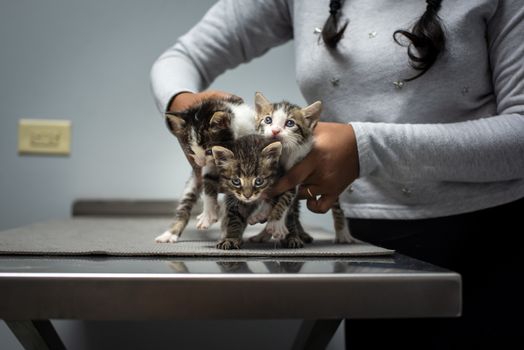
Cat Knocking Things Off
Discover the science behind why cats knock things off tables and shelves
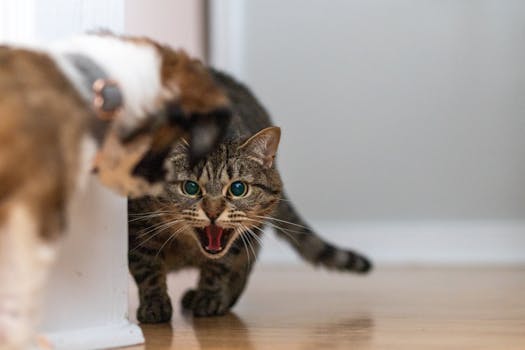
Socializing Cats That Don't Get Along
Learn techniques to help cats coexist peacefully. Expert advice on behavior modification and conflict resolution.
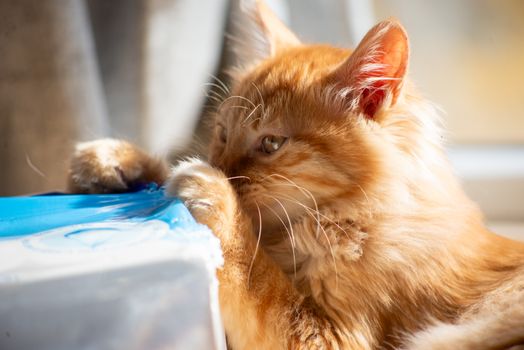
Why Cats Knock Over Vases with Intent
Discover the surprising reason behind your cat's table-topping tantrums