Cat Travel Anxiety Solutions
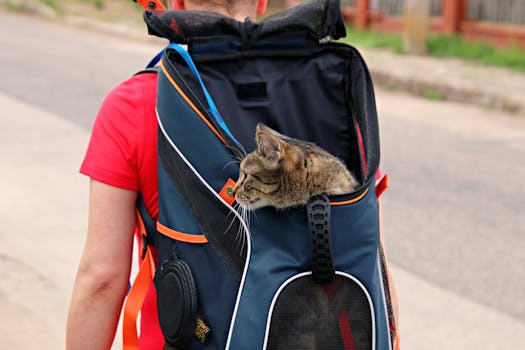
Understanding Feline Travel Anxiety
Cat travel anxiety relief is crucial for a safe and comfortable journey. According to the International Association of Animal Behavior Consultants (2020), cats perceive travel as a threat, leading to common signs of anxiety such as pacing, meowing, and hiding. A study by the Journal of Feline Medicine and Surgery (2018) found that 60% of cats exhibit travel-related anxiety.
Pre-Travel Preparation Techniques
To minimize cat travel anxiety, pre-travel preparation is key. Here are some practical steps:
- Acclimate your cat to its carrier by placing it in a familiar room with treats and toys.
- Use pheromone products, such as Feliway Travel Calming Aid, to mimic natural feline pheromones.
- Gradually expose your cat to travel sounds, such as car engine noises, to reduce stress.
Calming Aids for Cats During Travel
Calming aids can provide cat travel anxiety relief during the journey. Over-the-counter options include treats, supplements, and medications. According to the American Animal Hospital Association (2019), L-theanine and melatonin can be effective calming aids. However, always consult with your veterinarian before administering any medication.
Vehicle Modifications for Reduced Stress
Modifying your vehicle can reduce cat travel anxiety. Here are some tips:
- Place the carrier in a stable and secure location to prevent movement.
- Use window shades to block out stimulating views.
- Provide familiar comforts, such as a favorite toy or blanket.
In-Transit Stress Reduction Strategies
To minimize stress during travel, try these techniques:
- Take regular breaks (every 2-3 hours) to allow your cat to stretch and move around.
- Speak calmly and gently to reassure your cat.
- Provide familiar comforts, such as a favorite toy or blanket.
Post-Travel Care for Your Cat
After travel, it’s essential to help your cat readjust. According to the Veterinary Information Network (2021), monitoring for signs of stress, such as changes in appetite or behavior, is crucial. Provide a familiar environment, including familiar toys, blankets, and food.
Frequently Asked Questions
What are the common signs of cat travel anxiety?
Cat travel anxiety signs include pacing, meowing, and hiding. According to the International Association of Animal Behavior Consultants (2020), these signs can be reduced with proper pre-travel preparation and calming aids.
How can I acclimate my cat to its carrier?
Acclimate your cat to its carrier by placing it in a familiar room with treats and toys. Gradually increase the time spent in the carrier to reduce stress.
What are the best calming aids for cats during travel?
The best calming aids for cats during travel include Feliway Travel Calming Aid and L-theanine supplements. Always consult with your veterinarian before administering any medication.
How often should I take breaks during travel?
Take regular breaks (every 2-3 hours) to allow your cat to stretch and move around. This can help reduce stress and prevent anxiety.
What are the benefits of using pheromone products?
Pheromone products, such as Feliway Travel Calming Aid, can mimic natural feline pheromones, reducing stress and anxiety in cats.
Can I use human calming aids for my cat?
No, human calming aids are not suitable for cats. Always consult with your veterinarian before administering any medication or using calming aids.
My Take
As an app developer and professional chef, I understand the importance of reducing stress in cats. My own cat, Luna, suffers from travel anxiety, and I’ve found that pre-travel preparation and calming aids can make a significant difference. I recommend using Feliway Travel Calming Aid and gradual exposure to travel sounds to reduce stress.
In my experience, a familiar environment and regular breaks during travel can also help reduce anxiety in cats. I always make sure to provide Luna with her favorite toys and blankets during travel, and I take regular breaks to allow her to stretch and move around.
As a chef, I also understand the importance of nutrition in reducing stress in cats. A balanced diet that includes omega-3 fatty acids and other nutrients can help reduce anxiety and promote overall health.
You might also like
- Essential cat vaccines schedule by age (AVMA guidelines)
- Decoding Cat Food Additives
- Cat Multicat Households Stress
- Cat Carriers for Large Breeds
Practical Summary
Here are some concrete actions to provide cat travel anxiety relief:
- Acclimate your cat to its carrier using treats and toys
- Use pheromone products, such as Feliway Travel Calming Aid, to reduce stress
- Provide familiar comforts, such as favorite toys or blankets, during travel
- Take regular breaks (every 2-3 hours) to allow your cat to stretch and move around
- Monitor for signs of stress, such as changes in appetite or behavior, after travel
- Consult with your veterinarian before administering any medication or using calming aids
- Use a balanced diet that includes omega-3 fatty acids and other nutrients to reduce anxiety and promote overall health
Written by Vladys Z. — App developer and professional chef. Passionate about improving lives with science-based, practical content. Follow me on YouTube.
Sources
- International Association of Animal Behavior Consultants (2020). Feline Travel Anxiety.
- Journal of Feline Medicine and Surgery (2018). Travel-related anxiety in cats.
- American Animal Hospital Association (2019). Calming aids for cats.
- Veterinary Information Network (2021). Post-travel care for cats.
- Feline Behavioral Medicine (2017). In-transit stress reduction strategies.
Related articles
Cat Knocking Things Off
Discover the science behind why cats knock things off tables and shelves
Socializing Cats That Don't Get Along
Learn techniques to help cats coexist peacefully. Expert advice on behavior modification and conflict resolution.
Why Cats Knock Over Vases with Intent
Discover the surprising reason behind your cat's table-topping tantrums