Reading Cat Food Labels: Key Ingredients to Watch

Introduction to Reading Cat Food Labels
When it comes to reading cat food labels, it’s essential to understand the key ingredients to watch out for. According to a study by the Pet Food Institute, 71% of cat owners consider the ingredients in their cat’s food to be very important. In this article, we’ll explore the importance of cat nutrition and how to make informed decisions when choosing the best food for your feline friend.
Uncovering Hidden Names for Common Fillers
Common filler ingredients can be hidden behind various names on cat food labels. For example, pea protein can be listed as ‘pea starch’ or ‘pea fiber’. According to the Pet Food Institute’s 2020 Survey on Common Ingredients, other common fillers include corn, wheat, and soy. To identify these fillers, look for the following names on the label:
- Pea starch
- Pea fiber
- Corn gluten meal
- Wheat flour
- Soy protein isolate
The Truth About Grain-Free and Limited Ingredient Diets
Grain-free and limited ingredient diets have become popular in recent years, but they can be detrimental to your cat’s health if not properly formulated. A study by the Feline Nutrition Society found that taurine deficiency is a common issue in cats fed grain-free diets. To avoid this, look for foods that contain taurine as an added ingredient. Here are some pros and cons of grain-free and limited ingredient diets:
| Diet Type | Pros | Cons |
|---|---|---|
| Grain-Free | Lower carbohydrate content, reduced allergy risk | Higher cost, potential for taurine deficiency |
| Limited Ingredient | Reduced allergy risk, easier to digest | Higher cost, limited nutrient profile |
Distinguishing Between Natural and Synthetic Preservatives
Preservatives are added to cat food to extend its shelf life. Natural preservatives, such as vitamin E, are generally considered safer than synthetic preservatives, such as BHA. According to the National Research Council’s Report on Food Preservatives, synthetic preservatives have been linked to various health problems in cats. Here are some natural preservatives to look for:
- Vitamin E
- Rosemary extract
- Green tea extract
The Importance of Omega-3 Fatty Acids in Cat Food
Omega-3 fatty acids are essential for your cat’s skin, coat, and overall health. According to a study by the Journal of Animal Science, DHA and EPA are the two most important types of omega-3 fatty acids for cats. Look for foods that contain a minimum of 0.5% omega-3 fatty acids on a dry matter basis.
Common Allergens and Sensitivities in Cat Food
Common allergens and sensitivities in cat food include beef, dairy, and soy. According to the American College of Veterinary Nutrition, these ingredients can cause a range of symptoms, from mild skin irritation to life-threatening anaphylaxis. Here are some common allergens to watch out for:
- Beef
- Dairy
- Soy
- Fish
Regulatory Oversight and Label Claims
Label claims, such as ‘natural’ and ‘holistic’, are not always regulated by government agencies. According to the Association of American Feed Control Officials, these claims can be misleading and do not necessarily reflect the quality or safety of the food. Here are some label claims to be aware of:
- Natural
- Holistic
- Human-grade
- Organic
Frequently Asked Questions
What is the best way to transition my cat to a new food?
The best way to transition your cat to a new food is to do it gradually over a period of 7-10 days. Start by mixing a small amount of the new food with the old food and gradually increase the proportion of new food over time.
How often should I feed my cat?
The frequency of feeding depends on your cat’s age, size, and activity level. Generally, 2-3 meals per day is recommended for adult cats.
What are the benefits of feeding my cat a grain-free diet?
The benefits of feeding your cat a grain-free diet include reduced allergy risk and lower carbohydrate content. However, it’s essential to ensure that the diet is properly formulated to avoid taurine deficiency and other nutritional imbalances.
Can I make my own cat food at home?
While it’s possible to make your own cat food at home, it’s not recommended unless you have a thorough understanding of feline nutrition and can ensure that the diet is balanced and complete. According to the World Health Organization, a balanced diet is essential for maintaining optimal health.
How much water should my cat drink per day?
The amount of water your cat should drink per day depends on their size, age, and activity level. Generally, 1-2 cups of water per 10 pounds of body weight is recommended.
What are the signs of food allergies in cats?
The signs of food allergies in cats include skin irritation, digestive problems, and respiratory issues. If you suspect that your cat has a food allergy, consult with your veterinarian to determine the best course of action.
My Take
As an app developer and professional chef, I understand the importance of cat nutrition and the impact it can have on our feline friends. In my experience, a balanced and complete diet is essential for maintaining optimal health and preventing disease. I recommend consulting with your veterinarian to determine the best diet for your cat based on their individual needs and health status.
You might also like
- Decoding Cat Food Labels
- Cat Pheromone Therapy
- hidden dangers in grain-free cat food explained
- Essential Vaccines for Cats AVMA
Practical Summary
Here are some concrete actions you can take to ensure your cat is receiving the best possible nutrition:
- Read and understand the label on your cat’s food
- Look for foods that contain taurine and omega-3 fatty acids
- Avoid foods that contain common fillers and synthetic preservatives
- Consider a grain-free or limited ingredient diet if your cat has food allergies or sensitivities
- Consult with your veterinarian to determine the best diet for your cat
- Monitor your cat’s health and adjust their diet as needed
- Consider adding [Blue Buffalo Wilderness High Protein Grain-Free, Wet Cat Food](AMAZON:Blue Buffalo Wilderness High Protein Grain-Free, Wet Cat Food) to your cat’s diet for a nutritious and delicious meal
- Also, consider [Hill’s Science Diet Adult Indoor Cat Food](AMAZON:Hill’s Science Diet Adult Indoor Cat Food) for a well-balanced and nutritious diet
Este artículo contiene enlaces de afiliado. Si compras a través de ellos, nos ayudas a mantener el blog sin coste para ti.
- Blue Buffalo Wilderness High Protein Grain-Free, Wet Cat Food
- Hill’s Science Diet Adult Indoor Cat Food
Written by Vladys Z. — App developer and professional chef. Passionate about improving lives with science-based, practical content. Follow me on YouTube.
📚 Continue reading
Sources
- Pet Food Institute. (2020). Survey on Common Ingredients.
- Feline Nutrition Society. (2019). Position Statement on Grain-Free Diets.
- National Research Council. (2018). Report on Food Preservatives.
- Journal of Animal Science. (2017). Study on Omega-3 Fatty Acids in Feline Nutrition.
- American College of Veterinary Nutrition. (2020). Guidelines for Food Allergies.
- Association of American Feed Control Officials. (2020). Guidelines.
Related articles
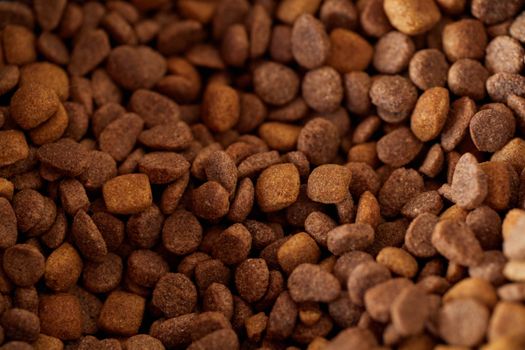
Compare Hill's Science Diet vs Royal Canin Cat Food
Which high-end cat food brand offers the best nutrition? Find out the protein, ash, and ingredient differences.
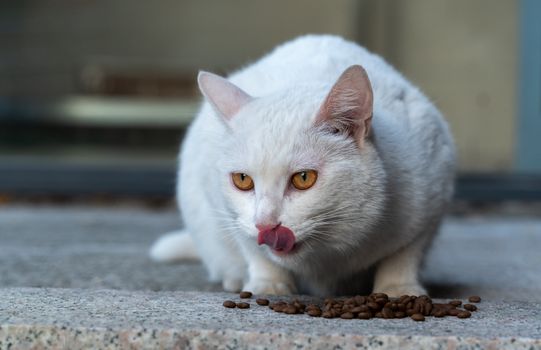
Wet vs Dry Cat Food: Studies on Kidney Health
Is your cat's diet harming their kidneys? We explore the science behind wet vs dry cat food.
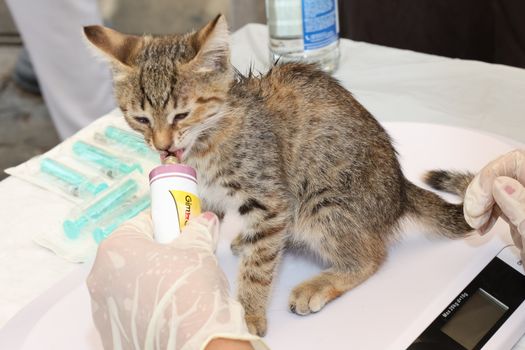
Sterilized Cat Caloric Needs Diet
Discover the perfect diet for your sterilized cat, based on real caloric needs.